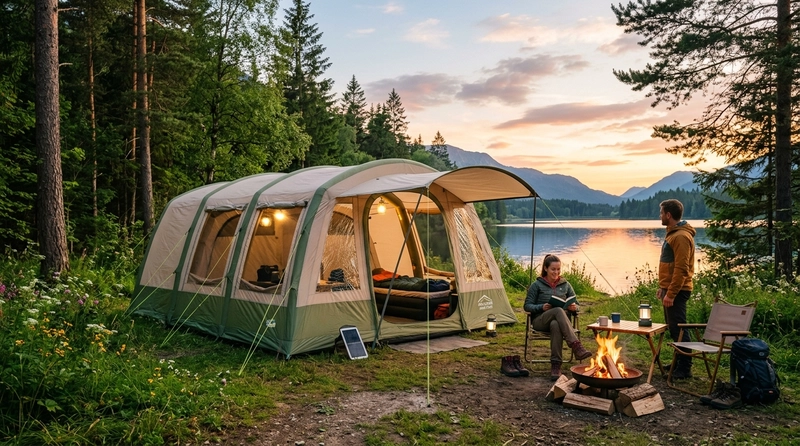
Car Tent Electric System for Your Event
When you’re planning an outdoor event that involves vehicles, finding the right shelter solution can be tricky. Car tent electric systems offer a level of convenience that manual setups can’t match, but not every product on the market will be a good fit. The first thing buyers and event planners should consider is the power source. Most car tent electric models run off either a rechargeable battery pack or plug into a nearby power outlet. If your event location has limited electrical access, a fully battery-operated unit offers true mobility but can limit continuous use time. On the other hand, electric car tents that require plugging in may offer steadier performance but restrict placement options.
Size and coverage also matter. Larger tents offer more protection for vehicles and guests alike but often require more power to set up or retract. Some electric car tents come with adjustable sidewalls or modular components, which add versatility but increase complexity. When working with a large fleet of vehicles, the ability to quickly deploy and pack down tents saves time, but make sure your crew is trained on the specific mechanism to avoid damage and delays.
Balancing Durability and Portability in Car Tent Electric Options
You’ll often face a trade-off between sturdiness and ease of transport. Electric car tents built with heavy-duty steel frames and thicker canopies are designed for harsher environments and longer-term use. That durability means extra weight and bulk, which impacts how easily these units can be transported and installed. Smaller, lighter units with aluminum components might be more convenient for event planners who need to move frequently but won’t endure severe weather as well.
Where you plan to set up will influence material choice too. For instances where quick shelter is essential—like at emergency roadside assistance stations—portability will likely trump ruggedness. However, if your setup supports overnight parking at trade shows or outdoor exhibitions, you’ll want something weather-resistant and capable of handling wind and rain for extended periods. Expect that taut electric tents with UV-resistant canopies will last longer under sun exposure but might come at a higher initial cost.
Understanding Setup and Maintenance Challenges
Electric car tents promise quick, hands-free deployment, but they require routine maintenance to function reliably. The electric motor and mechanical components that automate the tent’s opening and closing are subject to wear and tear. Dust, dirt, and moisture can cause corrosion or jams, especially in outdoor settings where weather takes a toll. Planning a maintenance schedule and training staff on periodic checks can extend the equipment’s lifespan significantly.
One practical insight we often share with clients is to evaluate the complexity of the control system. Some electric car tents operate via simple push-button remotes, while others are integrated with apps or sensors. Advanced features like automatic wind detection for retraction sound great but add layers of potential failure points. Simpler setups often prove more reliable for frequent use, even if they demand a bit more manual monitoring.
| Order | Product Model |
|---|---|
| 7252 | inflatable advertising tent |
Integrating Car Tent Electric Solutions with Other Event Infrastructure
For event planners and distributors, the car tent electric solution rarely operates in isolation. It’s important to consider how it fits within the overall event ecosystem. For example, planning the placement of electric tents alongside lighting rigs, power generators, and signage structures requires coordinated logistics. Electrical load demands can become quite high if multiple devices draw from the same circuit, so consulting with the venue’s technical team ahead of time avoids surprises.
Space constraints often limit where and how many electric car tents can be positioned. Grouping tents too tightly may reduce airflow and increase heat buildup under the canopy, affecting guest comfort. Conversely, spreading them out too widely means running longer power cables and managing more complex setup. A blend of standard tent sizes and electric car tents with different canopy heights can provide flexibility but adds complexity during packing and transport.
Cost Considerations Beyond the Sticker Price
When evaluating car tent electric products, the upfront purchase cost is only one part of the equation. Operational expenses such as electricity consumption, battery replacement, repairs, and labor for setup and breakdown accumulate quickly. Electric tents with high energy requirements might necessitate portable generators at remote sites, adding to fuel and maintenance costs. Battery-powered units need quality batteries with predictable lifespans, plus secure storage when not in use.
The longer-term value often lies in how much time the electric feature saves versus manual alternatives. For fleet distributors who handle frequent events across multiple locations, the investment in electric car tents can reduce labor hours and speed up event transitions. However, for occasional use, sticking with a simpler manual tent might prove more economical and less prone to technical issues.
Knowing exactly where the costs will fall and how operational factors affect total expenditure helps buyers make informed decisions that align with their event goals and budgets.