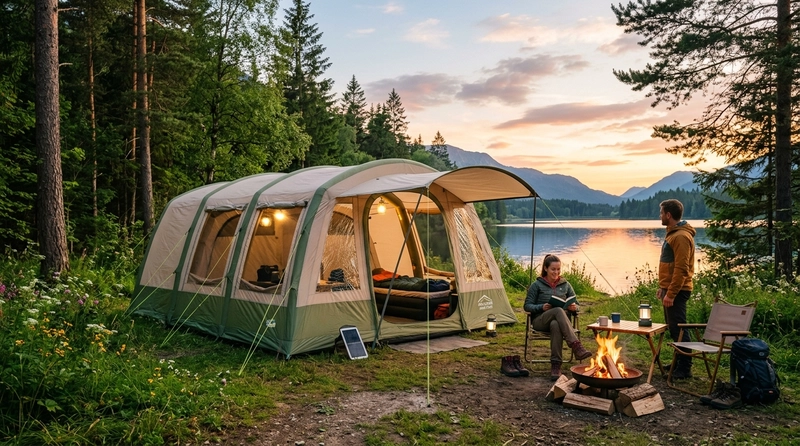
Car Tent Cover for Outdoor Events
Selecting a car tent cover goes beyond just picking the right size or color. Event planners often face the challenge of balancing protection, setup ease, and durability. For instance, during multi-day outdoor exhibitions, the cover needs to withstand various weather conditions while ensuring cars remain easily accessible. Heavy-duty materials like polyester or canvas offer solid protection against rain and sun, but they can be bulkier and harder to handle. Meanwhile, lighter options fold quickly but might not hold up as well under harsh weather.
Another point to consider is whether the cover offers UV protection or is water-resistant. Genuine outdoor-grade car tent covers shield cars not only from sunlight damage but also from potential debris or bird droppings that can occur in open event spaces. The trade-off here often lies in cost; covers with higher-grade protection usually come with a higher price tag, which needs factoring into the overall event budget.
Balancing Portability and Stability in Car Tent Covers
Moving from one event location to another is common for distributors and planners. This makes portability a key factor when choosing a car tent cover. Covers that come with wheeled bags or compact storage options can save valuable time during setup and breakdown. However, lightweight and compact designs sometimes sacrifice stability, especially in windy conditions.
If a car tent cover isn’t securely anchored, it can flap noisily or even become a safety hazard. Professional buyers have learned the hard way that investing in sturdy anchoring accessories—such as stakes, sandbags, or weighted frames—ensures the tent stays put. Some covers come with integrated tie-down points or reinforced corners for this very reason.
Weighing how often the equipment will be moved against the typical weather conditions on event days helps make the right call here. If you often operate in open spaces with unpredictable wind, durability and stability should outweigh pure portability.
Deciding Between Open Sided or Fully Enclosed Car Tent Covers
Depending on the event setup, car tent covers come in various configurations: open-sided canopies or fully enclosed tents. The former is practical for quick marketing displays where attendees need easy car access and visibility. These open tents facilitate crowd interaction and reduce the heat buildup inside the cover on warm days.
Fully enclosed car tent covers, on the other hand, offer better overall protection against elements like dust, insects, or rain-driven wind. These are beneficial for high-end car exhibits or during storage periods between showcases. The flip side is the enclosure can complicate quick access and sometimes trap heat unless equipped with ventilation panels.
Choosing between open and enclosed designs boils down to the event’s priority—whether it’s maximizing visibility and accessibility or providing maximum protection for the vehicles. Some suppliers even offer modular designs that can switch between the two setups, but these tend to be pricier.
| Item | Product Model |
|---|---|
| 5947 | inflatable promotional tent |
Managing Space Constraints with Car Tent Covers
Event spaces are rarely perfect rectangles, and often planners must work within tight or irregularly shaped areas. A car tent cover might be ideal in theory but doesn’t fit well in all environments. Narrow alleyways, crowded parking lots, or spots under overhanging tree branches all require careful measurement and planning.
It helps to source car tent covers with adjustable frame sizes or telescoping legs to fit unusual spaces. Some covers also allow for partial side panel removal, which can help fit into awkward spots without compromising too much on protection.
Another tip from experience: always leave extra room around the tent edges for airflow and ease of entry. Cramped setups not only damage the cover over time but also frustrate staff and visitors trying to approach the display.
Planning for Maintenance and Longevity of Car Tent Covers
Car tent covers aren’t just one-off rentals; many professionals rely on them repeatedly over years. Knowing how to maintain them prolongs their life and keeps them looking professional. Cleaning after events is crucial—mud, dust, sap, or bird droppings can degrade fabrics if left unattended.
It’s beneficial to have a simple maintenance routine: wipe down with mild soap and warm water, ensure the cover dries fully before packing to prevent mold, and routinely check seams and zippers for wear. Investing in protective sprays or waterproofing treatments can also keep covers performing well over multiple seasons.
Keep in mind the frames and other structural elements, which often get overlooked. Checking for bent poles, loose bolts, or rust spots before each event avoids unexpected downtime or repairs.
For businesses handling multiple car tent covers, organizing equipment with clear labeling and keeping a log of maintenance helps track when replacements or professional servicing might be necessary. This kind of proactive care reduces last-minute emergencies and ensures reliable setups every time.
—
Navigating the nuances of selecting and managing a car tent cover requires careful thought about each event’s unique needs. Considering protection levels, portability, design type, space constraints, and upkeep helps event professionals make sound decisions without surprises on site. Over time, these practical choices contribute to smoother events and more satisfied clients.