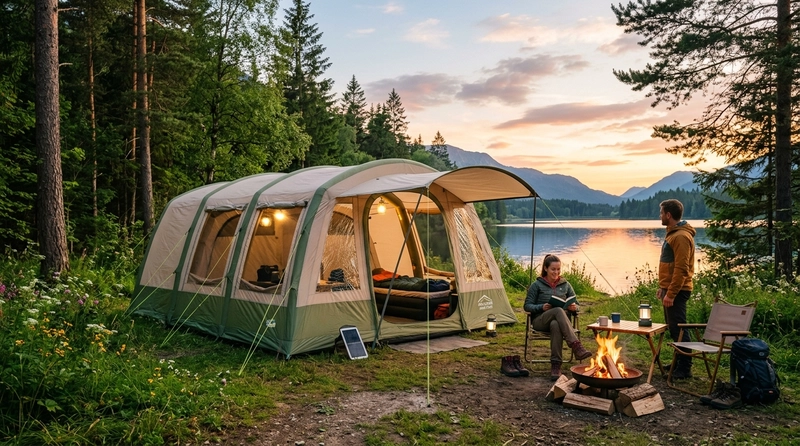
Your Car Camping Tent
Picking the right size for a car camping tent isn’t just about how many people will sleep inside. It often comes down to balancing space, weight, and the vehicle you’ll be traveling with. For professional buyers and distributors, it’s important to understand that a tent too large may feel roomy but can lead to unnecessary bulk and complexity when packing. Conversely, a tent that’s too small might save on space but ends up cramped and uncomfortable, especially on longer trips.
One common scenario is customers purchasing a four-person car camping tent expecting it to comfortably fit four adults. Most often, that space is better suited for two adults and gear or three smaller people, not four adults stretching out. Selling based on real use cases—like couples who want extra room for luggage or solo campers who value extra space for comfort—helps manage expectations. Pay attention to how much extra floor area versus vestibule space is included, especially if clients need sheltered gear storage.
Tents designed specifically for car camping tend to prioritize easy setup and extra comfort features over ultralight weight, which is more critical in backpacking tents. This means buyers should expect bulkier tents that fit in a standard car trunk or backseat but still might be challenging for smaller vehicles unless the tent packs down well.
Weighing Weather Resistance Against Convenience
Tents intended for car camping generally face less extreme weather than those used in remote backpacking. Still, it’s essential to consider how the tent performs under rain, wind, and humidity since campers may linger multiple nights or in variable conditions.
A car camping tent with a fully waterproof rainfly and taped seams is a must for many end users. However, heavier waterproof coatings can increase pack size and reduce breathability. This often leads to condensation issues inside the tent, making nylon or polyester fabrics with breathability vents a useful compromise. Defining the balance between waterproofing and ventilation matters when advising event planners who host multiple car camping setups or distributors who stock gear for different climates.
Wind resistance also plays a practical role. Many buyer questions revolve around whether a more spacious tent can handle wind without frequent guy lines and stakes. Look for tents with sturdy, shock-corded poles and a low profile to offer stability, but keep in mind that bigger floor areas usually mean bigger surface areas for wind to catch. Educating clients about site selection and use of additional anchoring equipment can mitigate these risks more than buying the most robust tent alone.
Setting Up a Car Camping Tent with Limited Space
The advantage of car camping is that the camper’s transport vehicle can store a lot of gear, but sometimes the setup area itself is tight. Urban festivals or crowded campsites often have limited space between cars or trees, making how a car camping tent packs and sets up a critical selling point.
Buyers frequently look for tents with straightforward setups, such as those with color-coded poles or quick-clip systems. Tents that can be put up or taken down solo in under 10 minutes score points with either event planners or group rentals, where speed and ease matter. However, simpler setups can sometimes mean fewer customization options like adding extra vestibules or configuring the rainfly.
Another factor is tent footprint and vestibule size. A big vestibule is great for storing stoves, coolers, and boots out of the rain but needs more space to pitch. When dealers select stock, offering a range from compact two-person tents to larger four-person models with different vestibule sizes helps cover diverse campsite layouts.
[ random_table ]
Durable Materials and Maintenance Considerations
Durability is a keystone concern if you’re supplying car camping tents to distributors or rental services. Unlike backpacking tents, which need to prioritize weight, car camping tents aim for ruggedness over many uses and seasons with less worry about refolding into small sacks.
Look for reinforced high-denier fabrics and strong zippers, especially on frequently used entries. Seams that are double-stitched or taped extend the lifespan as well. Buyers should understand the implications of various tent floor materials too; thicker floors prevent punctures from sticks and rocks but add weight and bulk.
Maintenance isn’t glamorous, but it’s a reality for repeat users. Inform clients about cleaning strategies that preserve waterproof coatings without damaging fabric or seams—using mild soap and avoiding harsh scrubbing. Encourage proper drying before storage to prevent mildew. Distributors can consider offering care kits alongside tents to improve customer satisfaction and reduce returns or complaints.
Considerations for Storage and Transport
Even though a car camping tent isn’t designed to be carried on foot for miles, ease of transport and storage plays a key role in the overall customer experience. When buyers and planners see a bulky, oddly shaped tent sack that won’t fit in a car alongside gear, it can cause frustration on event day.
Focus on tents with compact storage bags and manageable weight. Compression sacks that reduce size or duffel-style “car carry” bags can make a difference on tight vehicle packing. Remind clients that they don’t just need to fit the tent itself, but stakes, poles, rainfly, and any accessories.
Occasionally, larger tents can be split into separate bags for poles and fabric to spread the load, which helps distribute gear safely and efficiently. It’s about practical logistics as much as shelter when managing inventories or planning group trips.
Ultimately, recommending a good car camping tent balances protection, comfort, and user-friendly features that align with how buyers’ customers actually camp—not just what looks good on paper. Knowing the trade-offs between weight, size, durability, and ease of use leads to smarter stocking and happier end users.