Handling Setup and Breakdown Times on Event Sites
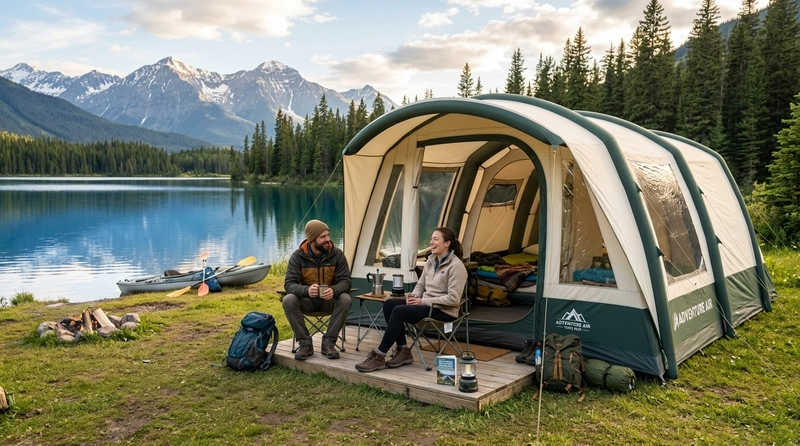
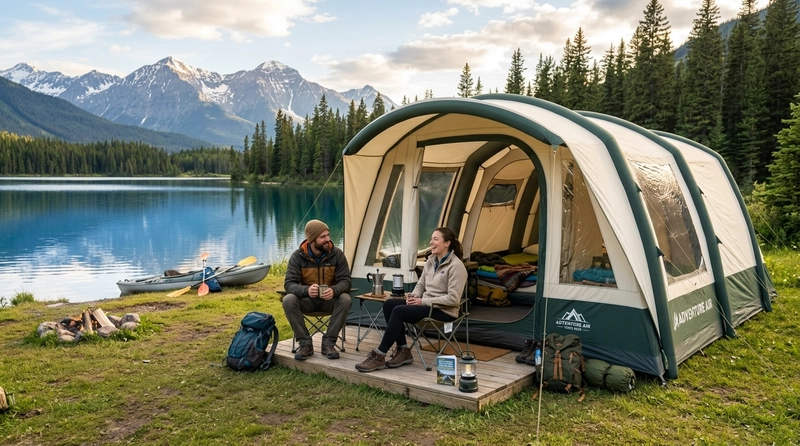
Choosing a camping inflatable tent can save significant setup time compared to traditional pole tents, especially when you’re working with tight turnaround schedules. Inflatable tents typically require just a few minutes to blow up using electric or gas-powered pumps. This convenience is a major asset for event planners needing fast installations without a large crew.
However, consider the trade-offs: inflatable tents rely heavily on continuous inflation to maintain structure. If the power supply fails or the pump stops, the tent can deflate quickly. Planning for backup power or manual inflation equipment is crucial, especially for outdoor festivals or remote locations without guaranteed electricity.
Breakdown is usually straightforward — releasing the air means the tent folds down compactly, making it easier to handle. Yet, drying and cleaning inflatable tents can be more time-consuming than fabric tents, as moisture trapped inside can cause mildew if not properly managed. Ensure you allocate time at the end of each event to thoroughly dry and inspect the tent.
Weighing Durability Against Portability
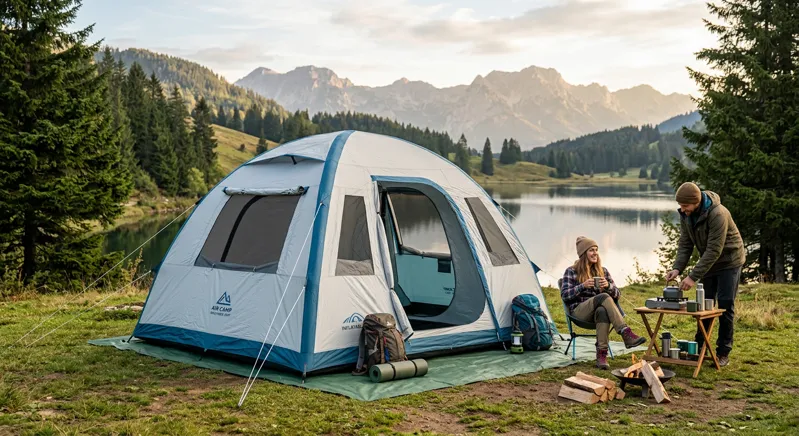
Event planners and distributors often struggle with the balance between a lightweight tent and one that withstands rough conditions. Camping inflatable tents generally weigh less than their pole and frame counterparts, which makes them easier to transport and store. For multi-day events or those requiring frequent moves, this can save both labor and shipping costs.
That said, the materials used in inflatable tents — while durable — may not endure harsh environments indefinitely. Frequent exposure to sharp objects, extreme UV rays, or abrasive surfaces can cause tears or wear faster than metal poles. Repair kits are commonly included, but these are only a short-term fix.
Because of this, some clients opt for hybrid setups, combining inflatable components with traditional structural elements to boost durability without completely sacrificing portability. Understanding the specific conditions where the tent will be used helps make the right choice.
Managing Weather Conditions and Structural Stability
While inflatable tents have improved dramatically in terms of weather resistance, they come with inherent limitations. High wind conditions pose particular challenges. Since the tent’s frame is air-filled, strong gusts can destabilize or even topple the structure if not properly anchored.
Most camping inflatable tents include multiple anchoring points and guy lines, but these must be thoroughly secured. Heavy-duty ground stakes and extra ballast weights are often necessary. Unlike rigid frames, inflatable structures offer less resistance against dynamic forces, making installation technique critical.
Rain can be a double-edged sword; inflatable tents are waterproof if the seams are sealed well, but they sometimes have limited ventilation options. Moisture can accumulate inside, affecting comfort and condensation levels. Some models include vents or adjustable openings, but this also introduces potential leak points.
Choosing an inflatable tent that matches the typical weather profile of your events can prevent expensive damages or cancellations down the line.
Assessing Customization and Branding Capabilities
Events often require tents that do more than shield from weather—they have to convey brand messages. With camping inflatable tents, printing logos and graphics directly onto the tent’s surface is increasingly common. Fabric surfaces lend themselves well to vibrant, high-resolution graphics without compromising durability.
Keep in mind that the customization process can affect lead times. Large, full-color prints usually require longer production runs. Also, repainting or changing branding on inflatables isn’t as straightforward as swapping banners on rigid frames. For distributors managing multiple clients or one-off events, modular branding solutions such as attachable panels or external banners might be more flexible.
Material surfaces for printed inflatables vary, so check compatibility with ink types and whether the graphics may fade or wear under sun exposure.
Budgeting for Long-Term Maintenance and Storage
Purchasing a camping inflatable tent might seem more cost-effective initially due to lower labor and shipping expenses. However, consider the full lifecycle costs. Inflatable tents require regular inspections for leaks or seam failures. Repair materials like adhesives and patches add up over multiple events.
Storage conditions also impact the longevity of your investment. The tent must be stored dry and away from sharp objects and rodents, as punctures can happen easily during careless handling. Deflation plus compact packing helps save on storage space, but frequent folding and unfolding will eventually weaken the fabric.
Distributors should inform clients about the ongoing maintenance routine needed to keep these tents performing at their best. A tent that looks pristine and inflates quickly after a year of use might require more care than initially appreciated.
Transport Logistics and Handling Cautions
The ease of movement is a major advantage for camping inflatable tents, but they require gentle handling. Unlike rigid frames that snap together, inflatable tents are more sensitive to punctures during loading, unloading, and transit.
Using protective bags or cases during shipment prevents damage but adds to the equipment cost. Event planners should train staff or subcontractors on proper deflation, folding techniques, and repairing minor damage on the spot.
Avoid stacking heavy items on top of inflatable tents in storage or transport, as this can deform the chambers or cause unnoticed leaks. While the tents themselves are compact and portable, the pumps, accessories, and repair kits must also be organized efficiently for smooth event setups.
Understanding these logistical details upfront can reduce downtime and frustrations on your next event.