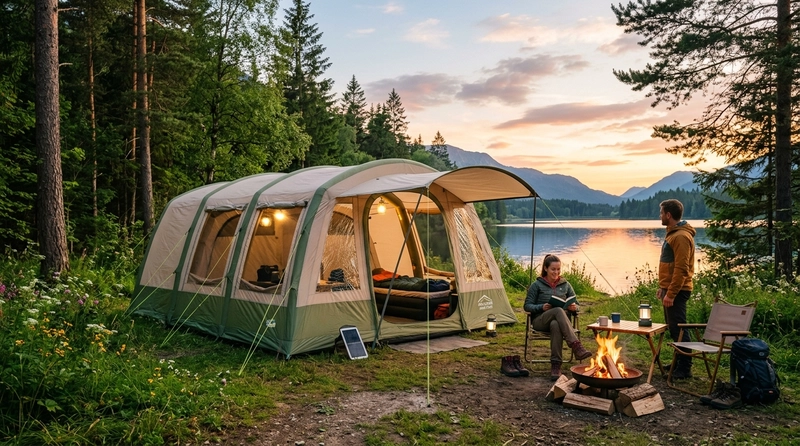
Size for Your Inflatable Advertising Tent
Picking the correct size for an inflatable advertising tent can make or break your event presence. Too small, and you risk looking underwhelming alongside bigger displays. Too large, and you struggle with transport and setup, eating into your team’s time and budget.
Practicality often wins here. Think about how many visitors you expect and the type of interaction you want. If your event requires a handshake-and-go style setup, a smaller tent might suffice. However, if you plan to give detailed product demos or hold conversations, a spacious interior is essential.
Remember, bigger tents require more air to inflate, meaning heavier blowers and greater power demands. If you’re working in crowded urban spaces with questionable power sources, this might limit your options. Measuring the exact booth space beforehand will help you avoid last-minute surprises.
Material Quality and Durability: What Holds Up Over Time
There’s a difference between a tent that looks great on day one and one that will last through multiple seasons. When clients come to us to buy inflatable advertising tent units, we often emphasize surface material and seam construction.
PVC-coated polyester fabrics remain a reliable choice thanks to their water resistance and strength. They’re less prone to punctures and fading, which you’ll appreciate after several outdoor events. Lighter materials might mean easier transport but tend to show wear quickly and can leak air.
Seam welding versus stitching also affects durability. Welded seams usually last longer and create a smoother appearance, but stitched tents can be easier to repair in some cases. When durability is a priority—especially at trade shows with harsh weather or sharp objects around—it’s worth investing upfront in quality materials.
Portability vs. Setup Time: Finding the Balance
Event planners often wrestle with portability and setup complexity. Inflatable advertising tents vary widely in how portable they are and how quickly they can be deployed.
Smaller, single-chamber inflatables inflate fast, often within minutes, and pack down tightly. These are ideal for teams that travel frequently and set up multiple events weekly. Larger models may feature multiple chambers and require more elaborate inflation procedures to achieve stability.
Power sources add another layer to the puzzle. Most tents need electric blowers running continuously to stay inflated. For locations without reliable power, you’ll want to consider battery-operated blowers or backup generators.
Think about your team’s experience level. If you’re buying your first inflatable advertising tent, avoid complex models that require expert handling. Simpler designs save headaches and allow your staff to focus on clients rather than inflating tents.
| No. | Product Model |
|---|---|
| 9062 | car camping tent |
Customization Options and Brand Visibility
Some clients want as much customization as possible—from colors and logos to special shapes that echo their brand identity. While tailoring an inflatable tent to your brand can draw attention effectively, keep in mind the trade-offs.
Complex designs or unusual shapes may require custom molds or patterns, increasing lead times and costs. The more intricate the printing, the more care you’ll need to take with cleaning and storage to protect sharp graphics.
It’s also important to consider visibility from a distance. Inflatable tents that pop with bold colors and clear, concise messaging perform best in crowded event spaces. Overloading a tent with text or tiny graphics can confuse potential visitors.
Take your time choosing fonts and artwork that read well on fabric stretched over air chambers rather than flat surfaces. That often means bigger, simpler designs win.
Maintenance and Storage Considerations
Once you make the decision to buy inflatable advertising tent products, handling them properly between events comes into play. Deflating, cleaning, and storing tents can take more effort than people anticipate.
Always clean your tent with mild soap and water to remove dirt and prevent mold growth, especially after rainy or dusty events. Avoid harsh chemicals or abrasive brushes that can damage the material.
When drying tents, make sure they are completely dry before folding and storing to avoid mildew. Storage bags should be breathable yet durable to protect from rodents and environmental damage.
Keep an eye on blower maintenance too—filters and motors sometimes need replacing after extended use. Having spare parts on hand can reduce downtime during busy event seasons.
Understanding Safety and Regulatory Requirements
Many professional buyers need to consider safety codes and local regulations before bringing an inflatable advertising tent onsite. Fire retardancy standards vary depending on location and event type, and some venues require certification.
Weight and anchoring are additional factors. Large tents can catch wind unexpectedly if not properly secured, posing risks to people and property. Make sure the tent’s anchoring system suits the surface where it will be installed, whether grass, concrete, or indoors.
Understanding legal restrictions for inflatables in public spaces can save you headaches. Venues might require upfront approvals or limit tent dimensions. Planning ahead ensures your tent meets all necessary standards without last-minute changes.
Navigating these considerations can seem complex, but they protect your investment and reputation over time. Getting familiar with these demands before you buy inflatable advertising tent equipment is key to smooth deployments.