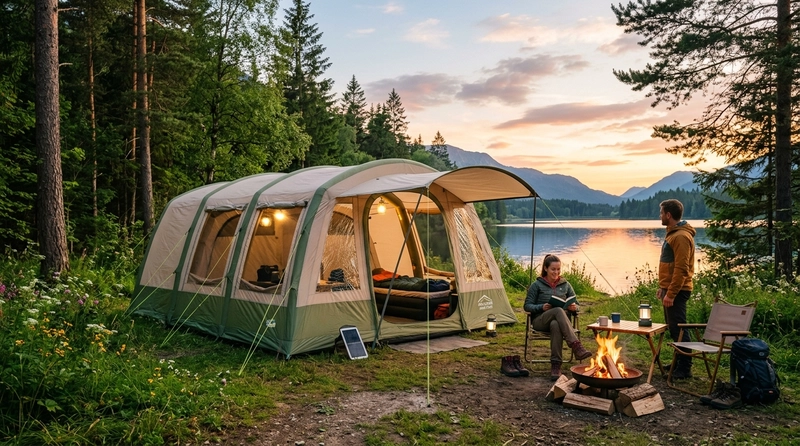
Blow Up Car Tent for Different Vehicle Sizes
When you’re planning an event and need to provide shade or shelter for vehicles, the size and shape of the blow up car tent matter a lot. You want something that fits snugly enough to offer protection but still leaves room for ventilation and easy access. For compact cars, tents designed with lower height and narrower width usually work best to keep everything stable and prevent excess material flapping in the wind. For SUVs or trucks, you’ll need a tent with a wider base and taller profile.
One challenge many buyers overlook is that a tent meant for a small car won’t scale well if you swap vehicles mid-way through your event schedule. It’s worth considering models that offer adjustable anchors or modular pieces that can adapt to different vehicle sizes. If you simply buy a one-size-fits-all option, that often means paying for bulk you don’t need or struggling during setup. Stick to a product specification sheet that clearly breaks down the tent dimensions and weight limits so you aren’t caught off guard at the event site.
Materials and Durability: What Holds Up Under Event Conditions?
The material choice for a blow up car tent isn’t just about looks—durability under frequently changing outdoor conditions makes a big difference. Vinyl-coated polyester and heavy-duty polyurethane fabrics are popular because they balance waterproofing and UV resistance. However, they come with trade-offs. For example, some vinyl coatings are slippery, making it harder for tents to stay anchored firmly, especially if you don’t have ideal space to stake down.
Thickness of the fabric affects not only durability but also the time needed to inflate and deflate your tent. Thicker materials generally mean longer inflation time and heavier transport loads, which can be inconvenient if your team has to manage multiple events daily. Thin fabrics might breathe better but can suffer from punctures or abrasions when vehicles are drive-in or out. To make a smart choice, consider the frequency of your outdoor events and the typical weather conditions you face.
Inflation Mechanisms: Balancing Speed, Noise, and Reliability
Deciding how to inflate your blow up car tent often comes down to two main options: electric air pumps or battery-powered portable pumps. Electric models can inflate a unit quickly but require access to power, which isn’t always guaranteed at every venue. Battery-powered pumps offer portability but might struggle to achieve full inflation on larger tents, especially in colder weather where air pressure tends to drop.
Noise is another element many overlook. If an event demands quiet surroundings, loud electric pumps might disrupt the environment or interfere with presentations. On the other hand, manual hand pumps tend to be impractical for the size of tents used for cars—they simply take too long and exhaust staff unnecessarily.
Maintenance also plays into the decision. Pumps with replaceable parts or that are made by reputable brands tend to last longer, while cheaper options can fail mid-event, leaving you scrambling. Factor in how often the tent will be inflated and deflated as well as your team’s capacity to handle equipment upkeep.
Storage and Transport: Practical Considerations That Impact Event Day
Even the best blow up car tent won’t be effective if it’s cumbersome to transport or store between uses. Bulk and weight play major roles here. After deflation, some tents compress into manageable bundles, but others retain awkward shapes that demand large storage spaces and sturdy storage bags. Over- or under-sizing your transport bags can lead to unnecessary wear or damage during transit.
Durable, wheeled carrying cases are a smart investment if you often move tents between venues, but that adds to upfront costs. Similarly, consider how quickly your team needs to set up and break down in the field. If the tent requires hours of drying before packing to prevent mildew or prolonged odor, that impacts your event turnaround times.
Another pitfall is shipping damage during transit. Blow up car tents with fragile valves or easily torn seams may not survive rough handling. Checking product reviews for real feedback on these issues offers valuable insight.
| No. | Product Model |
|---|---|
| 4116 | inflatable branded tent |
Anchoring and Stability: Keeping Your Tent Safe in Variable Conditions
You’ll hear plenty of recommendations about anchoring blow up car tents securely, but real-world conditions don’t always comply. Sour weather, uneven terrain, and constant foot traffic can complicate tent placement and stability. Most tents come with standard anchor points for stakes or weighted bags, but these solutions don’t fit every event environment.
Hard surfaces like concrete or asphalt prevent staking, pushing planners to use sandbags or water weights. These alternatives require extra planning to source and handle on-site. There’s also the question of wind resistance—larger tents with more surface area, especially those with flat sides, create more drag and are at higher risk of tipping or even collapsing under gusty conditions.
Some newer models incorporate internal baffles and additional support tubes to reinforce shape and prevent sudden deflation—but those systems add complexity to setup and can introduce failure points if not maintained. When possible, test your anchoring strategy in advance under the expected conditions, adjusting ballast and tie-down points to minimize movement.
Branding and Customization: Practical Limits and Design Considerations
Custom printing on blow up car tents can make a huge visual impact at trade shows or promotional events, but it’s not without its constraints. Fabric coatings and the inflatable structure influence how colors appear. Sometimes vibrant logos fade faster under UV exposure or lose sharpness if the print method isn’t suited to flexible materials.
Deciding on how much of the tent to cover with branding is another question. Covering the entire surface might look impressive, but it can make seams and air valves stand out, detracting from the overall appearance. Partial branding focused on canopy tops or side panels is often a better balance.
Logistics for customized tents vary, too. Custom designs can extend lead times by weeks and increase costs significantly, limiting quick turnaround projects demanding multiple copies. If you plan to rotate different branding messages on the same tent, removable banners or magnetic attachments prove more flexible than permanent prints. Think about not just the initial impression but how the tent fits your full range of promotional needs.