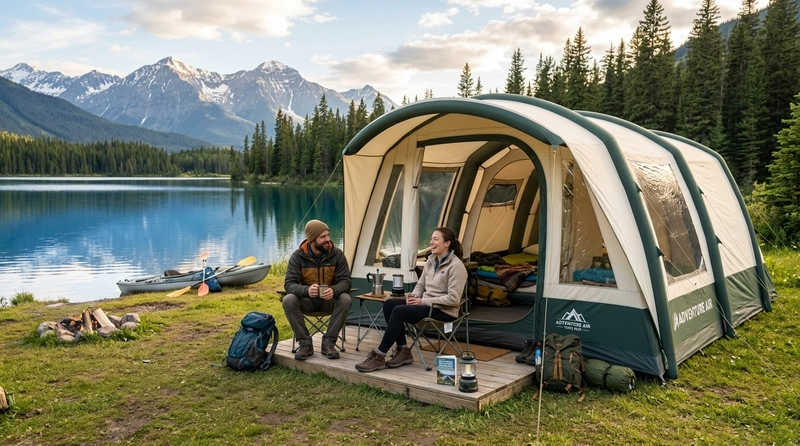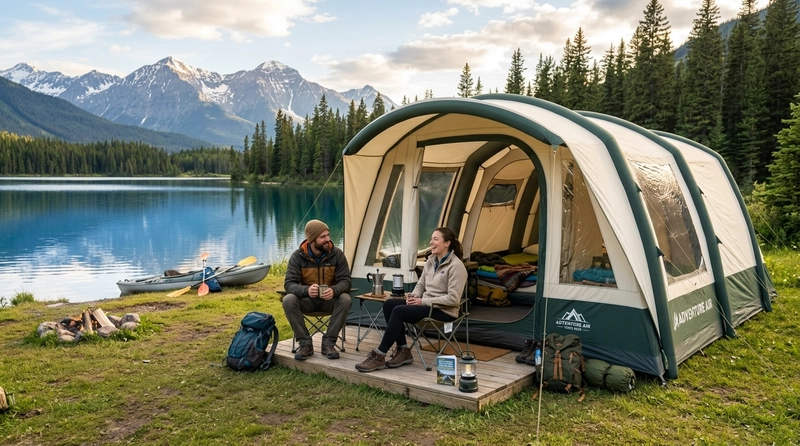
Outdoor inflatable tent house solutions are revolutionizing the way we experience camping and outdoor activities. Unlike traditional tents that require complex pole assembly and often weigh heavily, an outdoor inflatable tent house offers a quick setup and effortless portability without sacrificing comfort or protection. Whether you’re heading to a family camping trip, a music festival, or need an emergency shelter, inflatable camping tents could be the versatile, convenient solution you’ve been searching for. This article explores what makes inflatable tents unique, how to set them up, their pros and cons, and the best models available in 2026. Plus, practical maintenance tips and advice on choosing the right tent for your needs will empower you to make an informed decision.
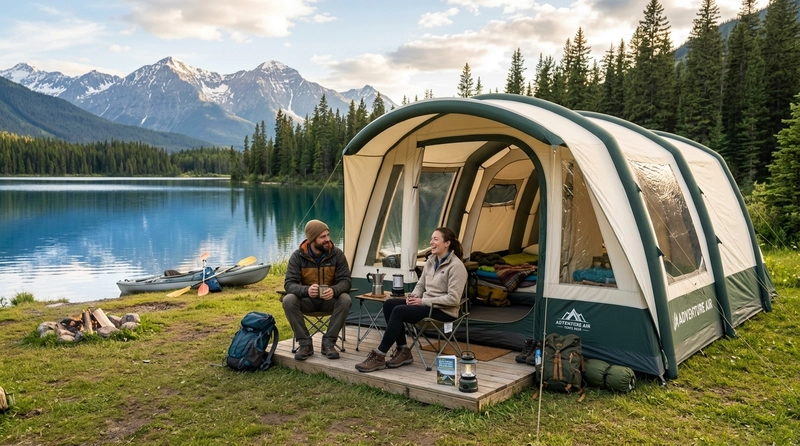
What Is an Outdoor Inflatable Tent House? (Definition and Key Features)
An outdoor inflatable tent house is a modern camping shelter that replaces traditional metal or fiberglass poles with inflatable beams made of durable, airtight materials. These tents are inflated using electric or manual air pumps, which creates a rigid frame that supports the tent fabric.
Key Differences Between Inflatable Tent Houses and Traditional Tents
- Structure: Instead of poles, inflatable beams provide support, making the tent lighter and faster to erect.
- Materials: Typically made from high-grade polyester or nylon with TPU (thermoplastic polyurethane) coatings for waterproofing and durability.
- Setup: Inflation replaces pole assembly, usually taking only a few minutes.
Core Components
- Inflatable Beams: Air-filled tubes that form the tent’s skeleton.
- Tent Fabric: Weather-resistant, often waterproof and UV-protected.
- Air Pumps: Electric pumps for quick inflation or manual pumps for portability.
Common Use Cases
- Camping: Family trips, solo adventures, and group outings benefit from quick setup.
- Festivals: Lightweight and fast to pitch, perfect for temporary stays.
- Emergency Shelters: Rapid deployment in disaster zones or rescue operations.
How to Set Up an Outdoor Inflatable Tent House (Step-by-Step Guide)
Setting up an inflatable camping tent is straightforward but benefits from preparation and technique.
Preparation
- Site Selection: Choose a flat, debris-free area that’s sheltered from strong winds.
- Air Pump Types: Electric pumps are preferred for speed; manual pumps provide backup and portability.
Inflation Process
- Unpack and Layout: Spread the tent fabric fully and position the inflatable beams.
- Attach Pump: Connect the air pump to the valve securely.
- Inflate: Turn on the pump and inflate the beams until firm but not overstretched.
- Secure Tent: Stake down the tent corners, attach guy lines, and ensure all zippers and vents are properly closed.
Tips for Quick and Safe Setup
- Inflate beams evenly to avoid imbalance.
- Check valves for leaks before full inflation.
- Use a groundsheet to protect the tent bottom.
- Practice setup at home before your trip to familiarize yourself with the process.
Pros and Cons of Outdoor Inflatable Tent Houses (Why Choose or Avoid Them)
Choosing an inflatable tent house requires balancing benefits and potential drawbacks.
| Pros | Cons |
|---|---|
| Fast Setup: Inflates in minutes | Puncture Risk: Sharp objects can cause leaks |
| Lightweight: Easier to carry and transport | Pump Dependency: Requires air pump for setup and re-inflation |
| Spacious Interior: More headroom and floor space | Durability Concerns: May not last as long as pole tents under heavy use |
| Weather Resistance: Often waterproof and windproof | Repair Complexity: Patching leaks requires specific materials |
| Comfort: Stable frame reduces noise and movement | Cost: Usually pricier than basic pole tents |
Waterproof and Weather Resistance Overview
Most inflatable tent houses employ high-quality waterproof coatings and sealed seams to withstand rain. Their aerodynamic shape helps resist wind better than bulky pole tents. However, extreme weather like heavy snow or gale-force winds may challenge their resilience.
Top Outdoor Inflatable Tent Houses in 2026: Brand and Model Comparison
Choosing the right inflatable tent house depends heavily on your intended use and climate. Here is a comparative overview of leading 2026 models:
| Brand & Model | Size (Persons) | Material | Setup Time | Price Range | Best For | Region Suitability |
|---|---|---|---|---|---|---|
| KCCE AirShield 4 | 4 | Ripstop nylon + TPU coating | 5 minutes | $350-$450 | Family camping, festivals | US, UK, Canada |
| Vento InflataHome 3 | 3 | Polyester PU coated | 4 minutes | $280-$350 | Solo or couples camping | Australia, Europe |
| CampEase QuickPitch 6 | 6 | Oxford fabric + TPU | 7 minutes | $500-$600 | Large groups, emergency shelter | US, Canada, UK |
| EasyBreeze TentPro 2 | 2 | Nylon + waterproof TPU | 3 minutes | $220-$300 | Lightweight backpacking | Europe, Australia |
Localized Recommendations
- US & Canada: KCCE AirShield 4 offers rugged durability and wind resistance ideal for diverse climate zones.
- UK & Europe: Vento InflataHome 3 balances compactness with waterproofing for unpredictable weather.
- Australia: EasyBreeze TentPro 2 is lightweight and quick to set up, perfect for warm weather and festivals.
Maintenance and Repair Tips for Inflatable Tent Houses
Proper care extends the life of your inflatable tent house and minimizes downtime.
Daily Care and Cleaning
- Remove dirt and debris after each use with a soft brush or damp cloth.
- Avoid harsh detergents; use mild soap and water for cleaning.
- Ensure the tent is fully dry before storage to prevent mold.
Fixing Common Damages
- Punctures and Leaks: Use a patch kit designed for TPU or nylon materials. Clean the area, apply adhesive, and press the patch firmly.
- Valve Issues: Check inflation valves regularly for blockage or damage, replace if necessary.
Storage Recommendations
- Deflate fully and fold loosely to avoid creases.
- Store in a cool, dry place away from direct sunlight.
- Avoid placing heavy objects on stored tents.
FAQ Highlights
- Can I use any air pump?
Use the manufacturer-recommended pump or one with compatible nozzle sizes. - How often should I check for leaks?
Before every trip and after any rough handling.
How to Choose the Right Outdoor Inflatable Tent House for Your Needs
Selecting the perfect inflatable tent requires considering several factors:
- Group Size: Choose a tent that comfortably fits your party plus gear.
- Climate: Waterproof and windproof ratings matter most in wet or windy regions.
- Budget: Balance features with cost; more expensive models offer advanced materials and durability.
- Portability: Consider packed size and weight if backpacking.
Interactive Decision-Making Tips
- If you camp mostly solo or as a couple, a 2-3 person model like EasyBreeze TentPro 2 suits best.
- For family camping, a 4-6 person tent like KCCE AirShield 4 provides ample space.
- For festival use, prioritize quick setup and lightweight design.
Buying Tips
- Purchase from trusted retailers offering warranty and customer support.
- Check for included accessories such as pumps, repair kits, and carrying bags.
- Look for verified user reviews to gauge real-world performance.
Trusted online platforms include Amazon, REI, and specialist outdoor retailers. Offline, visit local camping stores to test tent sizes and ask questions.
Outdoor inflatable tent houses offer a versatile, quick-to-set-up shelter solution suitable for many outdoor activities. By understanding their features, setup process, pros and cons, and maintenance needs, you can confidently choose the best tent that fits your lifestyle and environment. Ready to upgrade your camping experience? Explore our top picks for 2026 and start your hassle-free adventure today!