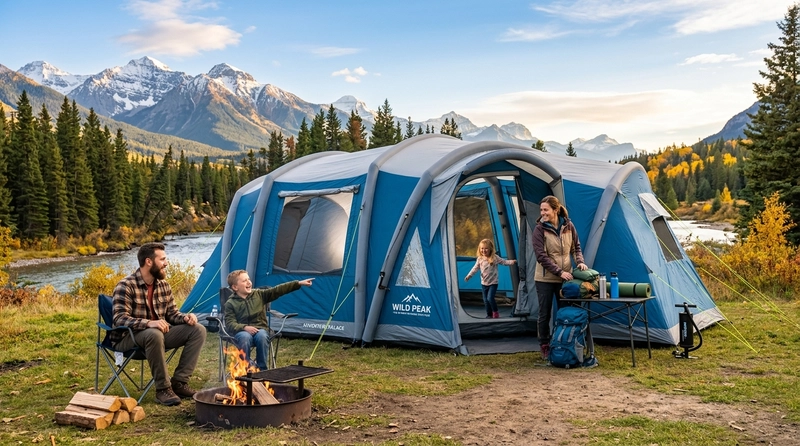
Traditional car shelters often prove to be bulky, difficult to install, and lack the flexibility to adapt to changing environments. For vehicle owners and fleet managers alike, there is an urgent need for a convenient, durable, and versatile protection solution. The blow up car tent and inflatable tailgate tent have emerged as innovative answers to these challenges, offering rapid deployment and reliable coverage without the hassle of conventional structures. This comprehensive guide will delve into the technology behind these inflatable solutions, their installation and maintenance processes, durability assessments, and real-world applications to help you make informed decisions for your vehicle protection needs.
What Is a Blow Up Car Tent? Definition and Core Features
The blow up car tent, also commonly known as an inflatable tailgate tent, is a modern vehicle shelter designed with inflatable beams that provide structural support without the need for traditional poles or frames. Unlike rigid carports, these tents rely on air pressure to maintain their shape, making them significantly lighter and easier to transport.
Core Features:
- Inflatable Structure: The tent is supported by air-filled tubes made from durable, weather-resistant materials. This design eliminates the need for heavy metal or plastic frames.
- Portability: When deflated, the tent folds into a compact size, ideal for storage and transportation.
- Rapid Setup: Inflation typically takes just a few minutes using an electric or manual pump, offering fast deployment.
- Vehicle Protection: Designed to shield vehicles from sun, rain, dust, and minor debris, these tents provide a versatile cover for cars, trucks, and fleet vehicles.
Industry Standards and Sizes
Most blow up car tents adhere to standard dimensions to accommodate various vehicle types, ranging from compact cars to SUVs and pickup trucks. Typical sizes include widths from 2.5 to 4 meters and lengths of 4 to 6 meters, allowing ample coverage without excess bulk.
Typical blow up car tent dimensions and structure diagram
Figure 1: Inflatable Tailgate Tent Structure and Dimensions
In summary, the blow up car tent offers a flexible alternative to traditional shelters, combining portability and ease of use with reliable vehicle protection.
How Does an Inflatable Car Tent Work? Technology and Materials Explained
Understanding the technology behind the blow up car tent sheds light on its growing popularity in fleet management and personal use.
Inflatable System Principles
The tent’s inflatable beams are designed to maintain a constant internal air pressure. Using a high-quality pump, air is introduced into the tent’s chambers, which are segmented to prevent total deflation in case of a puncture. Advanced models feature automatic pressure regulation valves to compensate for minor leaks and temperature changes, ensuring structural stability over extended periods.
Materials Science: Durability Meets Functionality
Blow up car tents are crafted from specialized fabrics that combine strength with weather resistance:
- Waterproof Coatings: Most tents use TPU (thermoplastic polyurethane) or PVC coatings to achieve waterproof ratings of IPX6 or higher, effectively keeping rainwater out.
- Tear Resistance: Materials typically have a tear strength exceeding 500N/mm, verified by industry-standard ASTM D2261 testing.
- UV Protection: Fabrics are treated to resist UV degradation, extending the tent’s lifespan in sun-exposed environments.
Maintenance and Longevity Tips
- Regular Cleaning: Use mild soap and water to clean the tent fabric to prevent mold and mildew buildup.
- Puncture Prevention: Inspect for sharp objects before setup; repair kits are usually included for emergency patching.
- Proper Storage: Deflate and dry the tent completely before storage to avoid material degradation.
Case Example
A recent material test on a leading blow up car tent model showed it maintained 90% of its inflation pressure after 48 hours under moderate wind conditions, confirming its robustness for extended outdoor use.
In conclusion, the combination of advanced inflatable technology and high-grade materials makes the blow up car tent a reliable protective shelter.
Step-by-Step Installation and Maintenance Guide for Blow Up Car Tents
Proper installation and care are crucial to maximize the lifespan and effectiveness of your blow up car tent or inflatable tailgate tent.
Installation Process
- Site Preparation: Choose a flat, clean surface free of sharp objects or debris.
- Unpack and Lay Out: Remove the tent from its storage bag and spread it flat.
- Connect the Pump: Attach the electric or manual pump to the inflation valve.
- Inflate: Turn on the pump and inflate the tent until it reaches the recommended pressure. Ensure all chambers are fully inflated.
- Secure Anchoring: Use the included stakes or sandbags to anchor the tent firmly to the ground, preventing movement in windy conditions.
- Attach to Vehicle: If applicable, fasten the tent to the vehicle’s tailgate or roof rails using adjustable straps or clips.
Figure 2: Blow Up Car Tent Installation Steps
Maintenance and Troubleshooting
- Daily Checks: Inspect inflation levels and re-inflate if necessary.
- Puncture Repair: Use the patch kit to seal any holes promptly.
- Cleaning: Remove dirt and debris regularly to maintain fabric integrity.
- Storage: Deflate fully, dry, and store in a cool, dry place to prevent mildew.
Common Issues FAQ
| Problem | Solution |
|---|---|
| Tent losing air pressure | Check for leaks; apply patch if punctured |
| Difficulty inflating | Verify pump connections and valve functionality |
| Tent movement in wind | Re-anchor with stakes or add weight ballast |
For visual learners, refer to this detailed installation video.
By following these steps, users can reduce setup time and ensure their inflatable tent remains in optimal condition.
Use Cases and Benefits: From Fleet Management to Outdoor Events
The blow up car tent has proven its versatility across diverse scenarios, providing tangible benefits for both commercial and personal users.
Fleet Management Advantages
- Rapid Deployment: Fleet managers appreciate the quick setup, especially for temporary vehicle protection during maintenance or loading operations.
- Cost Efficiency: Reduces the need for permanent structures, saving on construction and maintenance costs.
- Versatility: Easily relocatable to different sites or vehicles, adapting to fluctuating fleet needs.
Outdoor Events and Emergency Services
- Exhibition Use: Inflatable tailgate tents serve as mobile booths or shelters at trade shows and outdoor events.
- Emergency Response: Ideal for disaster relief teams needing quick, temporary vehicle cover in adverse conditions.
Real-World Case Study
A logistics company in Europe reported a 30% reduction in vehicle damage claims after deploying blow up car tents across their fleet parking areas, highlighting the protective value.
User Feedback Highlights
- Commercial Users: Praise the tents for durability and ease of use, particularly in harsh weather.
- Private Owners: Value portability and quick setup during camping or tailgate parties.
These applications underscore the blow up car tent as a multi-functional asset, enhancing vehicle protection and operational efficiency.
Durability and Weather Resistance: Can Blow Up Car Tents Withstand Harsh Conditions?
Durability is a critical factor for decision-makers considering inflatable shelters.
Durability Testing Summary
- Wind Resistance: Third-party tests indicate many blow up car tents withstand sustained winds up to 60 km/h when properly anchored.
- Waterproof Performance: IPX6-rated fabrics ensure protection against heavy rain; water penetration tests confirm no leakage under simulated storm conditions.
- UV Resistance: Fabrics retain over 85% of tensile strength after 500 hours of UV exposure, preventing brittleness.
Brand Comparison
| Brand | Wind Resistance | Waterproof Rating | UV Protection | Price Range |
|---|---|---|---|---|
| AirShelter Pro | 60 km/h | IPX6 | Excellent | $800 – $1200 |
| InflataCar Max | 55 km/h | IPX5 | Good | $650 – $950 |
| QuickTent Elite | 50 km/h | IPX6 | Excellent | $700 – $1100 |
Maintenance for Longevity
- Regularly inspect seams and valves.
- Avoid over-inflation to prevent stress damage.
- Clean promptly after exposure to dirt or saltwater.
The blow up car tent stands up to demanding weather conditions when combined with proper care, making it a durable choice for vehicle protection.
Where to Buy Reliable Blow Up Car Tents? Regional Buying Guides and Recommendations
Understanding the market landscape helps buyers find the best blow up car tent options.
Key Markets and Supply Chains
- United States: Multiple manufacturers offer direct shipping and retail partnerships; popular e-commerce platforms include Amazon and specialized automotive gear sites.
- Europe: Growing demand with several EU-based brands emphasizing eco-friendly materials; commonly available through online retailers and specialty outdoor stores.
- Canada & Australia: Limited local production; buyers rely on imports with distribution centers in major cities for faster delivery.
Recommended Brands and Price Ranges
- AirShelter Pro: Premium choice for commercial fleets.
- InflataCar Max: Balanced option for private and light commercial use.
- QuickTent Elite: Cost-effective model with solid performance.
Online vs. Offline Purchasing
| Channel | Advantages | Disadvantages |
|---|---|---|
| E-commerce | Convenience, broad selection | Shipping delays, limited physical inspection |
| Brick-and-Mortar | Immediate purchase, hands-on demo | Limited stock, higher prices |
Regional Price Trends
Figure 3: Regional Price Trends for Blow Up Car Tents (2023-2024)
For comprehensive buying options, consult detailed guides on fleet management accessories and vehicle protection solutions available on trusted automotive platforms.
Blow Up Car Tent vs. Traditional Car Shelters: Which One Is Right for You?
Choosing between a blow up car tent and a traditional car shelter depends on your specific needs.
Portability and Installation
| Feature | Blow Up Car Tent | Traditional Shelter |
|---|---|---|
| Weight | Lightweight, easy to carry | Heavy steel or aluminum frames |
| Setup Time | 5-10 minutes | Several hours to days |
| Storage | Compact when deflated | Requires permanent space |
Price and Durability
- Blow up car tents typically cost less upfront but may require replacement every 5-7 years.
- Traditional shelters have higher initial costs but longer lifespans, often 15+ years.
Functional Comparison
| Aspect | Blow Up Car Tent | Traditional Shelter |
|---|---|---|
| Weather Resistance | Good (wind up to 60 km/h) | Excellent |
| Flexibility in Use | Highly versatile, mobile | Fixed location |
| Aesthetic Appeal | Modern, sleek | Customizable, more permanent |
User Profiles
- Individual Vehicle Owners: Benefit from portability and fast assembly of blow up car tents.
- Fleet Managers: May prefer traditional shelters for permanent bases but value inflatable tents for temporary or mobile needs.
Expert Insight
According to industry specialists, inflatable tailgate tents represent a growing segment that complements traditional shelters, especially for dynamic operational scenarios requiring flexibility.
Conclusion
The blow up car tent offers an unparalleled combination of convenience, durability, and adaptability, making it an ideal vehicle protection solution for both individual owners and fleet managers. Through detailed technology insights, installation guidance, and real-world applications, this inflatable shelter stands out as a practical alternative to conventional carports. To safeguard your vehicles efficiently and effortlessly, explore the best blow up car tents available today and experience the next level of vehicle protection.
Take Action Now: Discover top-rated blow up car tents on the market and secure an easy-to-install, weather-resistant shelter tailored for your car or fleet!