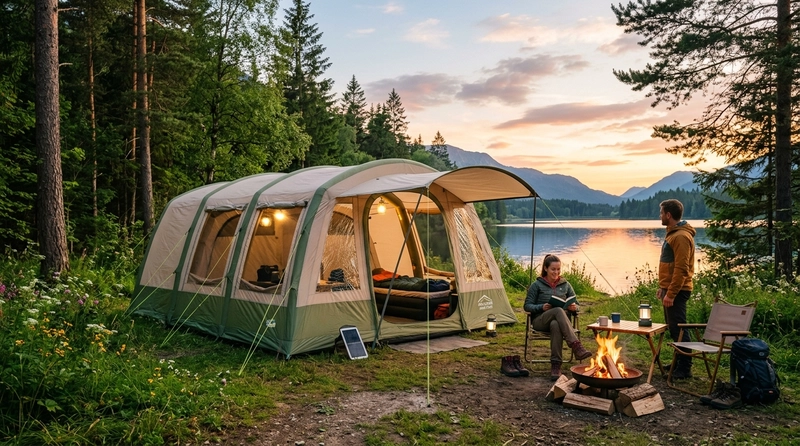
The Air Tent Kit for Varied Event Environments
When selecting an air tent kit, one of the first things to consider is the venue and event environment. Air tents come with impressive portability and quick setup, but not every kit suits every terrain or weather condition. For outdoor festivals on uneven ground, you’ll want a kit that includes durable anchoring options and a slightly more rugged frame to hold up against wind gusts or light rain. Conversely, indoor or paved events might call for a lighter setup, where floor protectors and low-profile anchoring are more relevant than heavy-duty stakes.
The material of the tent fabric matters here, too. Some air tent kits feature polyurethane-coated polyester, offering a good balance between water resistance and breathability, but might not hold up in a day-long torrential downpour without additional rainfly layers. Considering how often you’ll need to move the tent from venue to venue also affects the weight and pack size of your chosen air tent kit. A well-packed kit that fits easily into standard vehicles reduces time and labor, which is a critical factor for event planners juggling multiple setups.
Balancing Setup Time and Team Size with an Air Tent Kit
One of the biggest appeals of an air tent kit is speed of assembly. Inflatable frame systems replace the traditional poles with air beams that can be pumped up quickly. However, the actual setup time can vary widely depending on the kit’s design, included accessories, and whether you have the right air pump. Some kits are designed for single-person setup, featuring quick-lock valves and lightweight fabrics, while others assume at least a two or three-person team to hold sections steady as air is introduced.
Practical experience shows that a larger tent might take longer to inflate and position properly, especially if it involves multiple inflatable chambers for stability or if it includes modular attachments like sidewalls and doors. Also, maintaining even pressure in air beams can sometimes require occasional adjustments during multi-day events. Kits with integrated pressure gauges can save time here, allowing your crew to keep the tent stable without guesswork. Make sure your team is comfortable with the pump type—manual, electric, or battery-operated—since it can significantly impact setup ease and noise levels at sensitive venues.
Durability Concerns: The Trade-offs of Air Tent Materials
Air tent kits are typically lighter than metal or fiberglass pole tents, but that often comes with some durability trade-offs. The inflatable beams are strong, but sharp objects or excessive twisting can cause punctures or leaks. Event supply professionals often recommend carrying a repair patch kit in every air tent kit for quick fixes on site. Choosing a tent with reinforced beams or thicker fabric can reduce these risks but may increase the weight and pack volume of the kit.
Additionally, conditions like extreme heat or prolonged sun exposure can degrade some PVC or TPU coatings used in beams and fabrics. If your event calendar includes southern or desert venues, consider weather-resistant coatings and UV protection as must-have features. Frequent inspection and maintenance of valves are equally important to avoid slow leaks that could undermine structural stability mid-event.
Air tents may not have the same rigidity as traditional frame tents, which can be a factor in windy conditions. When stability is critical, look for kits with integrated ballast systems or compatibility with weighted bags, enabling you to secure the tent without damaging hard surfaces underfoot.
| Index | Product Model |
|---|---|
| 804 | car camping tent |
Transport and Storage: Efficiency versus Protection
Air tent kits are designed to fit into compact carry bags, but how you transport and store them can influence the kit’s lifespan. A smaller, lighter kit is easier to load onto different transport methods—from personal vehicles to event trucks—but compressing the tent and frame too tightly can stress seams and valves over time.
For repeat users and distributors, investing in storage solutions like padded transport cases or rolling bags can be worthwhile. These protect against accidental punctures during loading and unloading or abrasion from other equipment. Also, before packing, it’s good practice to dry tents completely, since moisture left inside can lead to mold or fabric degradation, which are costly to repair.
Efficient storage also requires a logical packing order, especially if you’re handling multiple air tent kits or related accessories like floor coverings, lighting, or heating units. Grouping gear by function and weight balance inside the transport bag keeps your loading maneuvers safe and straightforward onsite.
Customization Options and Their Impact on Logistics
Many buyers assume an air tent kit is a fixed product, but there are customization options that can either simplify or complicate your event planning. For example, some manufacturers offer modular sidewalls or branding window panels that attach with zippers or Velcro. While these enhance aesthetics and adaptability, they also add setup time and add potential wear spots where fabrics join.
Lighting and HVAC attachments may require reinforced fabric areas or additional anchoring points, which must be factored into the kit selection and crew briefing. Knowing what accessories are compatible with your chosen air tent kit avoids onsite surprises and ensures the tent’s air pressure system doesn’t get compromised by equipment weight or openings.
Furthermore, color choices and printed logos can wear differently depending on fabric choice. Lighter colors and UV-resistant prints generally maintain appearance longer during outdoor use. It’s worth testing or requesting samples if you’re planning a high-profile branding event, where the tent’s condition reflects your company’s image.
Maintenance Practices to Extend Air Tent Kit Life
Maintaining your air tent kit is straightforward but essential for maximizing service life. Regular valve checks, careful inflation without over-pressurizing, and immediate patching of any punctures prevent small issues from escalating. After each event, a thorough cleaning to remove dirt, food residues, or organic debris stabilizes fabric integrity.
Proper drying before storage can’t be overstated; moist conditions lead to mildew that weakens seams and coatings. For frequent users, periodically applying protective sprays suitable for tent fabrics can enhance weather resistance. Most importantly, ensure all team members handling the tent are familiar with these maintenance protocols to avoid damage from improper use.
Replacing worn or damaged components early avoids the need a full tent replacement. Many air tent kits have readily available spares for valves, straps, or repair patches, meaning downtime at events can be minimized if you keep up with parts where possible.
Expert buyers and event planners investing in air tent kits quickly see that the right balance of portability, durability, and ease of use makes a big difference in how smoothly their events run. Thoughtful selection based on real use cases and attention to the day-to-day needs of staffing and transportation can avoid common pitfalls while keeping your setup agile and reliable.