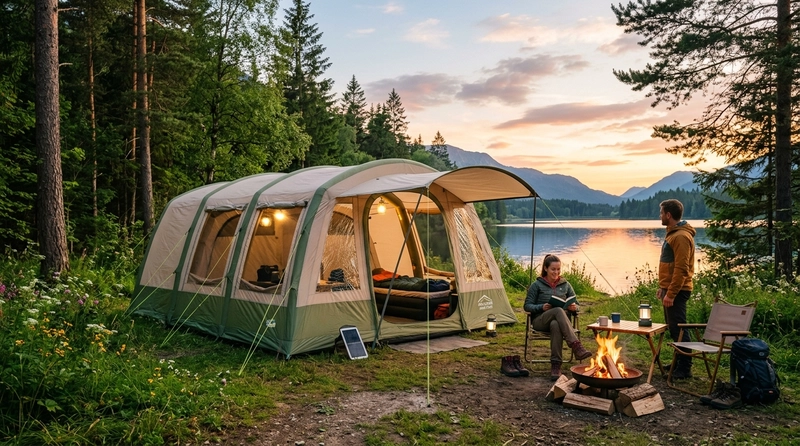
Air Tent Glamping Solutions for Different Event Sizes
Event planners often weigh the benefits of air tent glamping when deciding on temporary accommodations. Unlike traditional tents, air tents use inflated beams instead of poles, drastically speeding up setup and takedown times. For small to midsize festivals or corporate retreats, this means a more flexible approach to lodging that can be adapted quickly if attendee numbers change last minute.
However, you have to consider how these tents stand up in variable weather. While air tents are generally durable, their inflated structure can be vulnerable to sharp objects or extreme winds if not properly anchored. For larger events, investing in reliable anchoring systems becomes non-negotiable, and occasionally, the “quick setup” promise might stretch as teams manage multiple units. The ease of mobility often comes with a trade-off in long-term durability, so event length and expected stress on the tent materials should guide your choice.
Balancing Comfort and Logistics in Air Tent Glamping
Air tent glamping has gained traction not just for its aesthetic appeal but also for the comfort it offers guests compared to traditional camping setups. The ability to incorporate insulation layers and air circulation systems makes these tents a practical alternative, especially during unpredictable weather conditions.
Still, balancing guest comfort with logistical demands can be tricky. The bulkier air pumps and repair kits require storage space and proper handling by staff. Training is important—improper inflation or repair can lead to performance issues and guest dissatisfaction. From a buyer’s standpoint, it’s worth investing in models with modular components or easy-access windows that improve ventilation without compromising structure. It’s also wise to select tents that allow integration with standard event furniture to optimize the overall experience without reinventing the wheel.
| Code | Product Model |
|---|---|
| 4961 | inflatable tent |
Impact of Terrain and Site Conditions on Air Tent Setup
The ground conditions at your venue can make or break the success of your air tent glamping setup. Soft or uneven terrain is an ongoing challenge, especially since air tents rely heavily on secure anchoring to maintain shape and stability. Traditional stakes may not be enough on sandy or muddy grounds, requiring alternative solutions such as weighted ballast systems.
Event sites with a lot of rocks or debris demand pre-event preparation, like clearing or leveling to avoid punctures. Unlike metal poles, air beams can suffer more easily from abrasions, which compromises the whole tent. The decision to use air tent glamping setups must be paired with thorough on-site evaluation—walking the venue early allows for adjustments in layout or additional protective measures. Sometimes the trade-offs in crew time or rental cost to prepare the terrain balance out the speed gained during assembly.
Maintenance
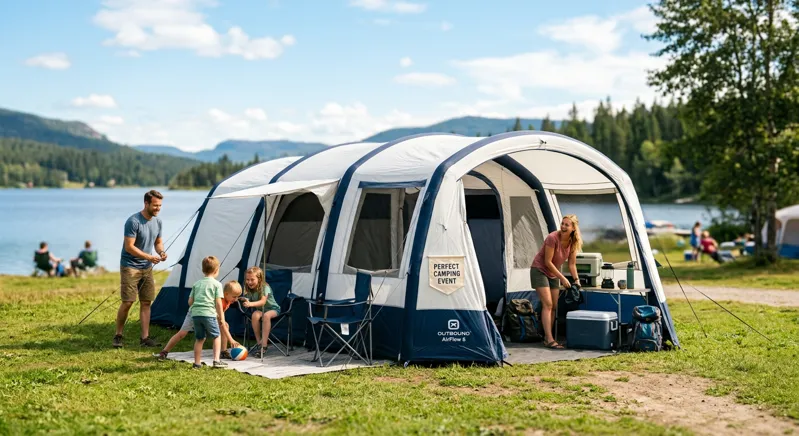
and Repair Considerations for Air Tent Glamping
Owning or renting air tents for glamping activities brings unique maintenance challenges compared to conventional fabric tents with metal frames. The inflatable components mean a constant need to monitor for leaks or seam weaknesses before deployment. Having a straightforward repair protocol can minimize downtime during multi-day events.
Materials tend to be thick and durable but repairs often require specialized patches and adhesives. Carrying a comprehensive repair kit on site is critical to avoid compromising the guest experience. Making sure your team understands how to perform quick fixes will save you from costly replacements or event delays.
Moreover, repeated inflations and deflations may cause wear at connection points. When calculating lifecycle costs or rental frequency, factor in the possibility of component replacements or upgrades every few seasons rather than years. This practical insight helps planners avoid surprises after investing in air tent glamping inventories.
Choosing Suppliers and Managing Inventory for Air Tent Glamping
Sourcing air tents from reliable suppliers who understand event-specific needs makes a huge difference. You want partners who offer flexible rental terms, quick turnaround, and technical guidance for setup and repairs. Unlike standard tents, this market is very niche, which sometimes leads to limited stock or long manufacturing lead times.
Inventory management for air tent glamping equipment requires precision—keeping track of pump models, spare parts, and sizes to ensure you can match tents to different event scopes. For distributors, bundling air tents with complementary accessories like flooring, lighting, and heating systems creates a comprehensive offer that clients appreciate.
Also consider the post-rental evaluation process. Regularly inspect tents on return, and track issues that arise to work with your supplier on product improvements or better staff training. As your experience with air tent glamping grows, these adjustments are key to maintaining smooth operations and client satisfaction.
Sustainability and Reusability Challenges of Air Tent Glamping
Reusing air tents across multiple events contributes to sustainability but involves practical hurdles. Inflatable beams are made from PVC or TPU materials, which have environmental costs associated with production and disposal. When tents aren’t properly maintained, premature wear leads to early replacement, increasing waste.
Balancing sustainability with practical use means prioritizing quality and durability upfront while training staff on careful handling to extend operational life. Some event buyers also explore rental options rather than outright purchases to reduce environmental footprint and storage costs.
While air tent glamping appeals for its modern aesthetic and convenience, integrating eco-friendly practices in the sourcing, use, and disposal cycle remains a work in progress. Understanding these real-world trade-offs helps planners and suppliers develop responsible event strategies without sacrificing guest experience.