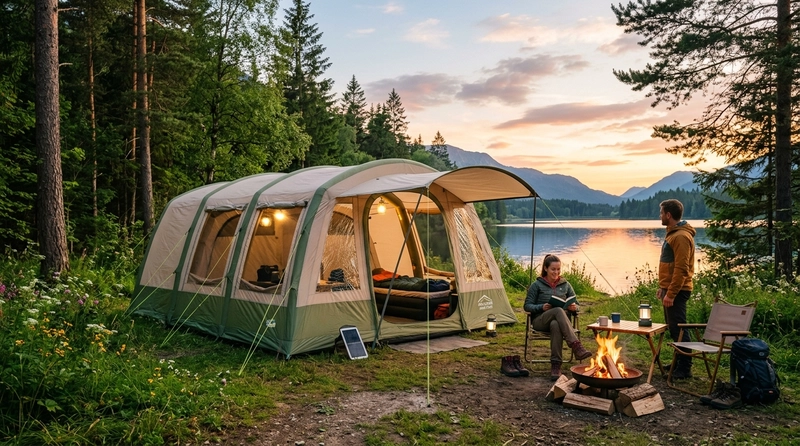
Balancing Portability and Stability in an Air Tent with Canopy
Event planners often wrestle with choosing a setup that’s both quick to deploy and reliable in unpredictable weather. An air tent with canopy offers a striking option—these inflatables can be erected swiftly without wrestling poles or rigid frames. Yet, that convenience sometimes comes at the cost of stability. Unlike traditional frame tents, air tents rely on internal air pressure, which means they require continuous inflation and careful anchoring.
Choosing the right air tent with canopy means considering the venue’s conditions carefully. For indoor spaces or calm outdoor environments, these tents perform exceptionally well. But in gusty or uneven settings, extra guy lines and weighted anchors become mandatory. It’s worth testing how the tent behaves under intermittent wind gusts before committing. Also, consider the canopy’s size and angle—larger canopies can catch wind like sails, demanding more secure setups.
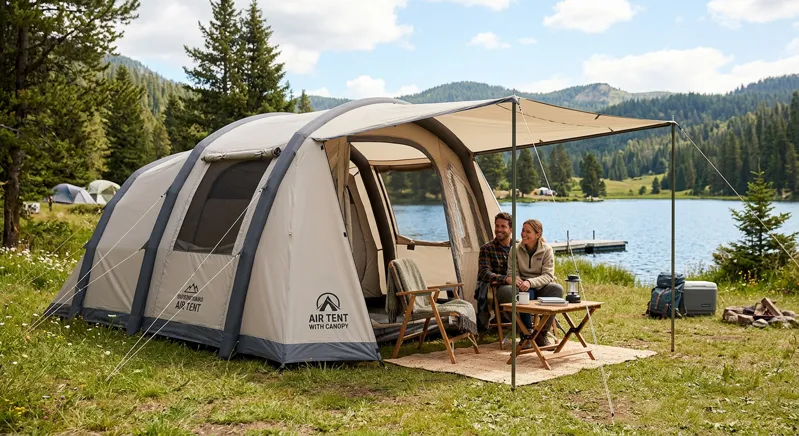
Managing Maintenance and Longevity for Frequent Use
Unlike standard fabric tents, air tents with canopy have unique maintenance demands. The materials—usually airtight PVC-coated textiles—must be inspected regularly for punctures or seam wear, especially around the inflation tubes and canopy connections. Quick patching kits help, but small leaks left unchecked escalate rapidly, compromising the tent’s integrity during events.
Another factor is the fan or blower system. It’s critical to select models with reliable, quiet blowers if your client’s venue is noise-sensitive. Some event managers overlook blower durability and end up with frequent replacements mid-tour. Routine cleaning of the blower’s air intake prevents dust buildup and overheating.
Storage is another point that’s easy to underestimate. These tents don’t fold like traditional pole tents; they require deflation and careful packing to maintain their shape and avoid permanent creasing or material fatigue. A well-mapped-out storage routine can add years to the lifespan of an air tent with canopy.
Matching the Canopy Design to Client Branding Goals
The canopy isn’t just a rain cover; it’s real estate for visual impact. Many event planners want a large canopy surface to showcase logos or vibrant patterns that stand out in a crowded environment. However, the more you print, the more complex heat management becomes. Darker or highly pigmented canopies absorb heat, which may warm the tent interior uncomfortably.
If client branding demands bold, eye-catching designs, it’s crucial to balance visibility with functionality. Some fabric choices can help mitigate heat by combining reflective coatings or UV resistance. Stretch or tensioned canopy styles tend to maintain shape better than rigid designs, reducing the risk that graphics warp or ripple.
Flexibility also influences canopy shape decisions. Some events require quick transitions between open-air configurations and covered space. Canopies on an air tent with canopy can sometimes be modular or detachable, allowing clients to adapt quickly as the day’s schedule unfolds.
| ID | Product Model |
|---|---|
| 5247 | Air Tent with Canopy |
Evaluating Setup Time Versus Staffing and Expertise
The selling point of air tents often involves their rapid deployment, but it’s important to consider staffing needs alongside setup times. While the tent itself inflates within minutes, preparing anchors, inflation systems, and canopy attachments can extend setup significantly if the crew isn’t familiar.
One challenge is ensuring that those responsible for setup understand how changes in pressure affect the tent’s shape and safety. Over-inflating risks tearing seams, while under-inflating means less structural integrity. Using smart pressure gauges or flow meters within the blower system can reduce guesswork, but these aren’t always standard.
Some buyers underestimate the skills required for an efficient teardown. Folding and packing an air tent with canopy properly requires space and care to avoid damage, unlike rigid-frame tents which can sometimes be stowed in seconds. Planning for this during event logistics ensures that staff workloads stay manageable without time overruns.
Practical Storage and Transportation Concerns for Distributors
Distributors and rental companies looking to expand their offerings with an air tent with canopy have to tackle the thorny issues of storage and transport. The compactness of deflated tents is an advantage over metal frame structures, but only to a point. They often come with bulky blowers and weighted anchors, which add to the logistical footprint.
Transporting these tents requires padded cases to protect the fabric and blowers from abrasion or shocks. Unlike rigid frames, which can stack and organize neatly, inflatable tents demand more flexible packaging solutions, especially if the canopy design adds extra fabric length.
Storage environments should be cool and dry to prevent mold or fabric degradation. The PVC or TPU coatings are sensitive to prolonged exposure to heat or sunlight, even when folded. Rental companies that rotate their air tents regularly tend to see fewer maintenance issues than those storing units long-term without use.
Considering resale value is also practical. Well-maintained air tents retain their appeal and can be resold within a niche market, whereas heavily used or mishandled models quickly lose both warranty coverage and client trust.
Addressing Client Expectations on Weather Protection and Comfort
Clients frequently ask how well air tents with canopy protect guests from elements beyond rain—like wind, sun, or cold. While the canopy offers good shelter from direct rain and sun, these tents generally lack the solid walls of traditional structures, meaning warmth and wind protection can be limited unless combined with attachable sidewalls or windbreaks.
If the plan involves a cooler climate or extended exposure, consider supplementary equipment—portable heaters, side panels, or HVAC integration. The air tent’s air pressure system also means that any breach can quickly compromise protection, so routine patrols during event hours help keep the space safe and dry.
Comfort hinges on ventilation as well. Ironically, the inflated canopy can sometimes trap heat and humidity inside, especially when crowded. Some models come with venting options or multiple access points to promote airflow.
Choosing the right size canopy impacts how much usable space the tent supports. Larger canopies can cover guest areas effectively but may require additional structural support to prevent sagging or water accumulation in case of heavy rainfall.
—
Navigating the practical realities of an air tent with canopy involves balancing speed, durability, branding, and client comfort. Understanding these trade-offs beforehand helps event planners and distributors provide genuinely effective, stress-free solutions tailored for the complex demands of professional events.