Choosing the Right Air Tent for Camping in Various Weather Conditions
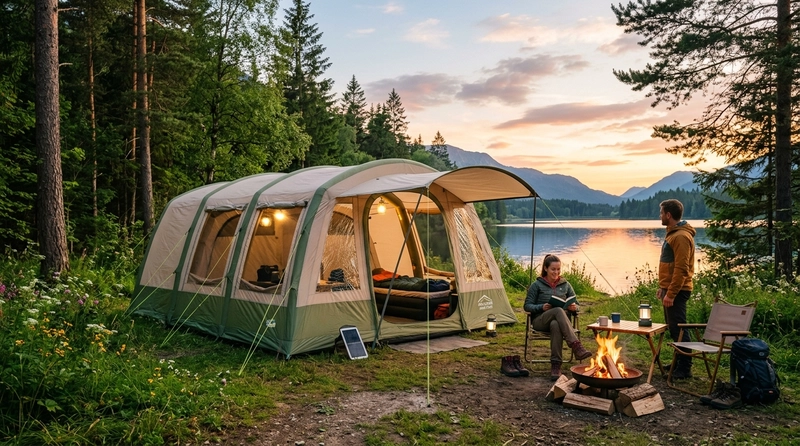
Picking the right air tent for camping means balancing a few key factors, especially weather exposure. Unlike traditional pole tents, air tents rely on inflatable beams to provide structure. This can speed up setup and offer good flexibility, but it’ll also change how the tent handles rain, wind, and sun.
For harsh weather, look for an air tent made from heavier-duty materials. Thicker fabric and robust air beams help maintain shape when wind gusts pick up. But keep in mind, more durable fabrics usually come with extra weight. That can be a trade-off if you’re carrying gear over long distances.
Also, air tents typically use multiple inflation points. If you’re camping in wet conditions, water could make its way into some joints or even the fabric if the seams aren’t taped well. Choosing a model with sealed seams and a rainfly designed to divert water away is a practical step to avoid leaks.
Don’t overlook ventilation features. Air tents with adjustable vents reduce condensation inside, which becomes crucial when temperatures fluctuate between day and night. If you’re camping in a place prone to humidity, these vents make a noticeable difference in comfort.
Setting Up an Air Tent for Camping: Speed vs. Stability
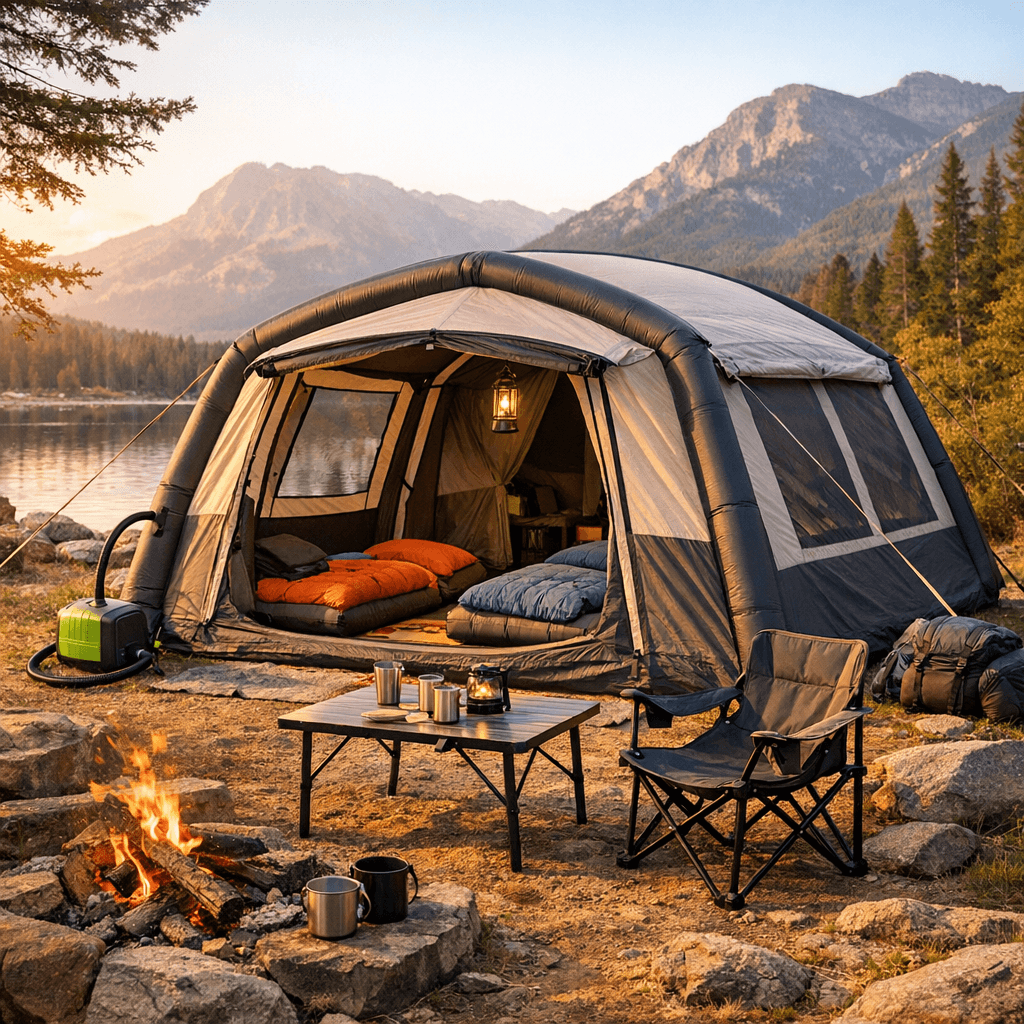
One major draw of an air tent for camping is the quick setup. Instead of assembling poles, you simply inflate beams using a pump—manual or electric. This makes things easier for large groups or teams managing multiple campsites. Yet, there’s a stability trade-off.
If you don’t anchor your air tent properly, those inflatable beams will be more vulnerable to collapsing under stress. Stakes and guy lines are still essential, just like with traditional tents. Ignoring this step can mean your entire shelter becomes unstable when a sudden breeze hits.
A fun fact: while inflating, you’ll notice the tent takes shape in seconds, but exactly how firm the beams feel depends on your air pressure. Underinflation makes a floppy frame; overinflation risks bursting seams or valves. Training staff or buyers in correct inflation pressure based on manufacturer recommendations becomes an important part of the operational process.
You should also consider inflator type based on environment. Electric pumps speed things up but need power sources. Manual pumps require more effort but are more reliable in remote sites without electricity. Having both options available often helps crews adapt quickly, depending on event location or campsite logistics.
Transport and Storage Challenges of Air Tents for Camping
Air tents bring convenience at camp but affect logistics outside the field. These tents can pack down smaller than pole tents, but they come with pumps and accessories that take up space in trucks or vans.
Sometimes, the weighted air beams mean net weight isn’t always lighter than frame tents. For professional buyers, factoring total load—including pump units, repair kits, and extra tubing—is part of realistic planning.
Storage also has its quirks. Air tents must be fully dried and deflated properly to avoid mold growth or damage to air tubes. If stored damp or folded incorrectly, air beams can develop leaks or rubber degradation. Training staff on thorough dry-down and using dedicated storage bags can extend tent life noticeably.
On long tours or seasonal events, having a centralized maintenance routine where patches are applied immediately prevents small leaks from turning into larger problems. These little operational details make a difference between equipment longevity and recurring replacements.
| Item | Product Model |
|---|---|
| 5270 | inflatable promotional tent |
Repairability and Maintenance Considerations
Air tents come with a unique mechanical structure that requires different maintenance compared to traditional setups. Valves, inflation points, and air beams need regular inspection.
Valves can get clogged with dirt or even fail due to repeated inflation and deflation cycles. Keeping spare valves and knowing how to replace or fix them quickly onsite saves a lot of downtime during an event.
Many air tents use TPU or PVC-coated fabrics for air beams. While tough, these materials are prone to punctures if mishandled around sharp objects or rough terrain. Carrying adhesive patches and understanding the step-by-step repair process helps maintain readiness.
Another tip: not all patch kits are created equal. The adhesive needs to bond well to flexible air tubes, so standard fabric patches won’t always hold up under pressure changes. Test your repair supplies beforehand to ensure functionality.
Routine maintenance also includes checking the fabric for UV damage. Some air tents use coatings that degrade with heavy sun exposure, weakening the structure over time. Rotating your inventory or shelter placement when possible helps prolong fabric integrity.
Managing Space and Comfort Inside an Air Tent for Camping
The interior experience of air tents is one often overlooked in procurement decisions. Air tents can offer more spacious headroom because inflatable beams curve differently than poles. This creates a more open feel, which some users appreciate during longer stays.
However, those inflated beams can reduce usable floor space since they rest on the ground or have wider bases. When event planners need to fit multiple tents or utilize every square foot efficiently, this is a key consideration.
Also, the noise factor is worth mentioning. Inflatable beams can sometimes creak or squish with temperature changes or when guests move about. Selecting models with reinforced inner tubing or designed noise dampeners affects comfort, especially in quiet overnight situations.
Finally, consider ease of access. Most air tents feature large doors and windows with mesh, but the added weight of the air beams means that some designs have less flexible entryways compared to pole tents. Evaluating how guests will move in and out, along with how airflow circulates, impacts overall satisfaction.
Air tents for camping offer a fresh alternative to pole shelters, providing speed and a distinct structural feel. Balancing setup speed, durability, logistics, and interior comfort is key during selection, tailoring each choice to your specific event or distribution needs.