
Air Inflatable Tent for Different Event Settings
Selecting an air inflatable tent for your event can be trickier than it appears at first glance. The size, shape, and materials all matter, but so do the environmental conditions you expect to face. For outdoor festivals, a tent that withstands wind and light rain without heavy anchoring is essential. On the other hand, trade shows or exhibitions often require easy setup and teardown with a sleek appearance.
One practical consideration is how the inflatable tent interacts with the surface it’s placed on. Grass or soft soil might require longer stakes or weighted bags, while concrete or asphalt calls for strong tie-downs that won’t damage the surface. Event planners often underestimate the anchoring needs, resulting in tents swaying or losing their shape during the event.
The type of airflow system—continuous versus closed inflation—can also impact usability. Continuous inflation tents need a fan running the entire time, which can introduce noise, while closed inflation models offer quieter operation but can take longer to set up. Each option comes with trade-offs that buyers should evaluate in relation to their specific event needs.
Managing Logistics: Transportation and Storage of Inflatable Event Tents
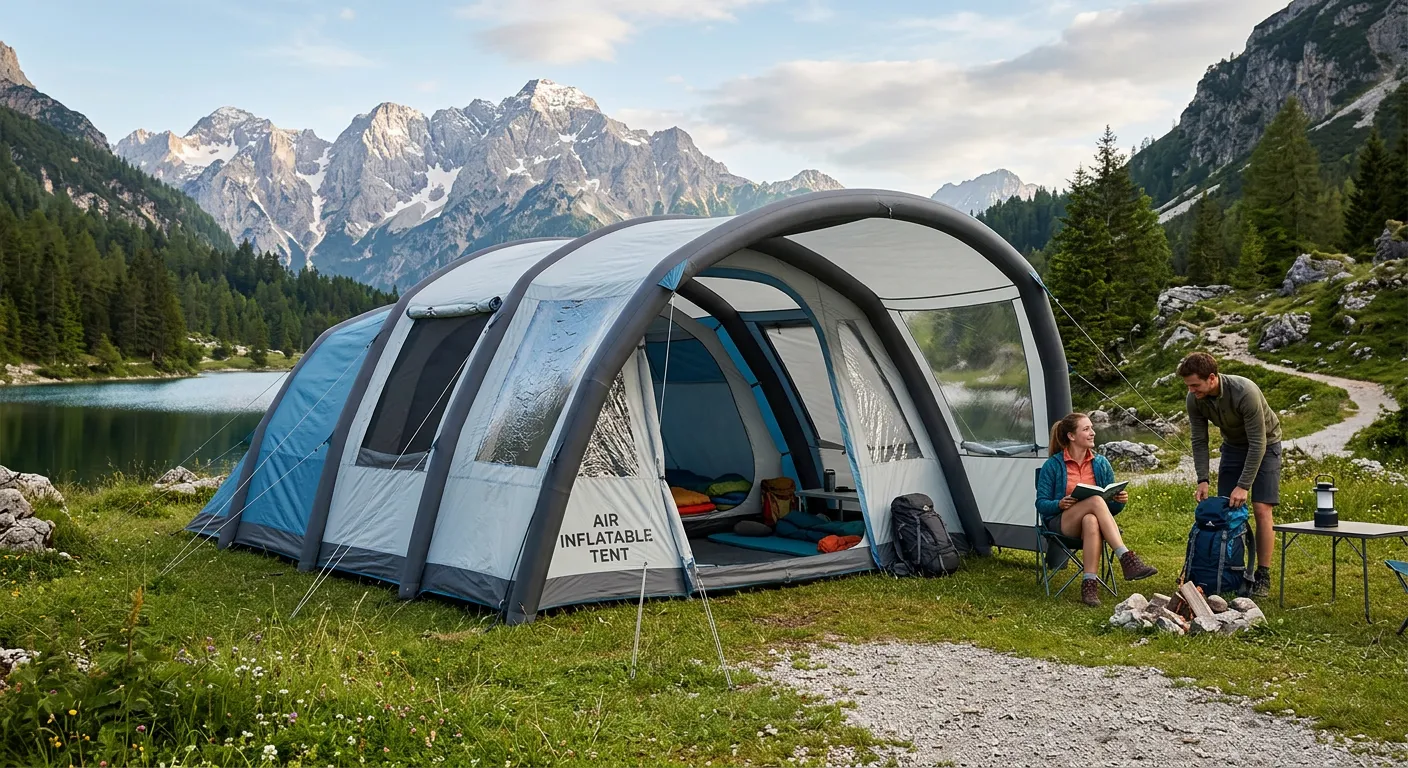
Logistics often get overlooked until the day of the event, but your air inflatable tent’s size and weight can significantly affect costs and convenience. Inflatable camping tents designed for individual use are easy to pack and carry, but larger advertising or event tents can require multiple carriers and vehicles.
The packaging volume varies widely depending on the tent’s design and included components like pumps, repair kits, and carrying bags. Buyers should ask suppliers for detailed specs so they can plan storage space in warehouses or transport containers ahead of time. Overlooking this can cause delays or extra expenses once inventory arrives.
Some suppliers prioritize modular designs allowing components to be swapped or replaced individually, which is valuable for distributors managing multiple orders with different specifications. It also benefits event planners who might want to mix and match for various events rather than purchasing a costly new tent every time.
Customization Considerations and Branding Limitations
In the world of promotional tents, an air inflatable tent’s visual impact hinges on customization. Yet, not every tent fabric handles full-color logos or detailed graphics equally. The selection of printing methods—screen printing, digital printing, or heat transfer—affects both the look and the longevity of the branding.
Bright colors may fade faster under direct sunlight, especially if the tent fabric is thin. Buyers should ask about UV resistance and whether the supplier has run stress tests over longer periods. Poor durability means replacing tents or having them look dull halfway through a campaign.
Keep in mind that the surface area available for branding varies with tent types. Models with angled or curved walls may limit how logos are displayed, challenging design flexibility. Balancing aesthetics against practical branding visibility requires collaboration between event planners and manufacturers during the specification phase.
Addressing Weather Challenges with Air Inflatable Tents
Weather conditions can make or break an outdoor event, and an air inflatable tent has its own set of vulnerabilities. Heavy rain may pool on flat surfaces or seams, so evaluating the tent’s design for water runoff is a must. Some tents feature reinforced seams and water-repellent coatings that reduce the risk of leaks, but these upgrades often add to the cost.
Wind is another major factor. Inflatable tents are inherently lighter than traditional frame tents, so anchoring becomes more critical if wind speeds increase. Some air inflatable tents come with built-in tension cables or extra anchor points placed strategically, but if these are missing, supplementary weights or tie-downs become necessary.
Temperature fluctuations impact the internal air pressure and thereby the tent’s firmness. In cold weather, the inflation system might need to work harder or require periodic blow-ups during the event to maintain shape. It’s worth discussing seasonal use cases with your supplier to ensure the tent’s specifications match climate conditions.
Maintenance and Longevity: Practical Tips for Buyers and Event Planners
Proper maintenance of an air inflatable tent is not glamorous but vital if you want to get several years of service out of your investment. After each event, rapid and thorough drying is crucial to prevent mold and material breakdown. Many event managers underestimate the time needed and delegate tent care to staff with limited training, which leads to premature wear.
Regular inspection of valves, seams, and surface fabric for small punctures or abrasions helps catch problems before they become severe. Kits for minor repairs should always be stocked alongside the tents, and training on how to patch effectively will save unwanted downtime during busy event seasons.
Storage conditions play a leading role as well. Tents packed while damp or stored in extreme heat can degrade faster. Ideally, they should be kept in climate-controlled spaces where humidity is managed and pests can’t nest within folded materials. Even simple steps like rolling the tent carefully instead of cramming it into a bag can extend usable life.
Balancing Cost and Quality in Bulk Orders for Distribution
For distributors sourcing air inflatable tents, balancing cost and quality is a constant negotiation. Low-cost tents might tempt buyers with attractive margins but often suffer from shorter lifespans, higher returns, and warranty claims. On the flip side, premium models mean higher upfront investment and slower turnover but less handling headaches down the line.
It’s important to request samples and real-world usage reports from suppliers where possible. Trusted suppliers often provide case studies or references that reveal how the tents perform under field conditions rather than just lab specifications. B2B buyers benefit from a relationship that includes clear communication about warranties, defect rates, and after-sale support.
Order volumes also shape pricing structures, and flexibility on minimum orders can help distributors test markets without overcommitting. Some better suppliers offer customization options combined with volume discounts but require longer lead times that have to be baked into sales planning. Awareness of these factors helps avoid surprises and makes all parties more prepared to manage expectations.
Choosing the right air inflatable tent hinges on understanding the event context, managing logistics, ensuring proper branding, and planning for durability and maintenance. These factors combined help professional buyers and planners make practical decisions that align with both operational efficiency and customer satisfaction.