
Choosing the Right Size and Shape for Your Advertising Inflatable Tent
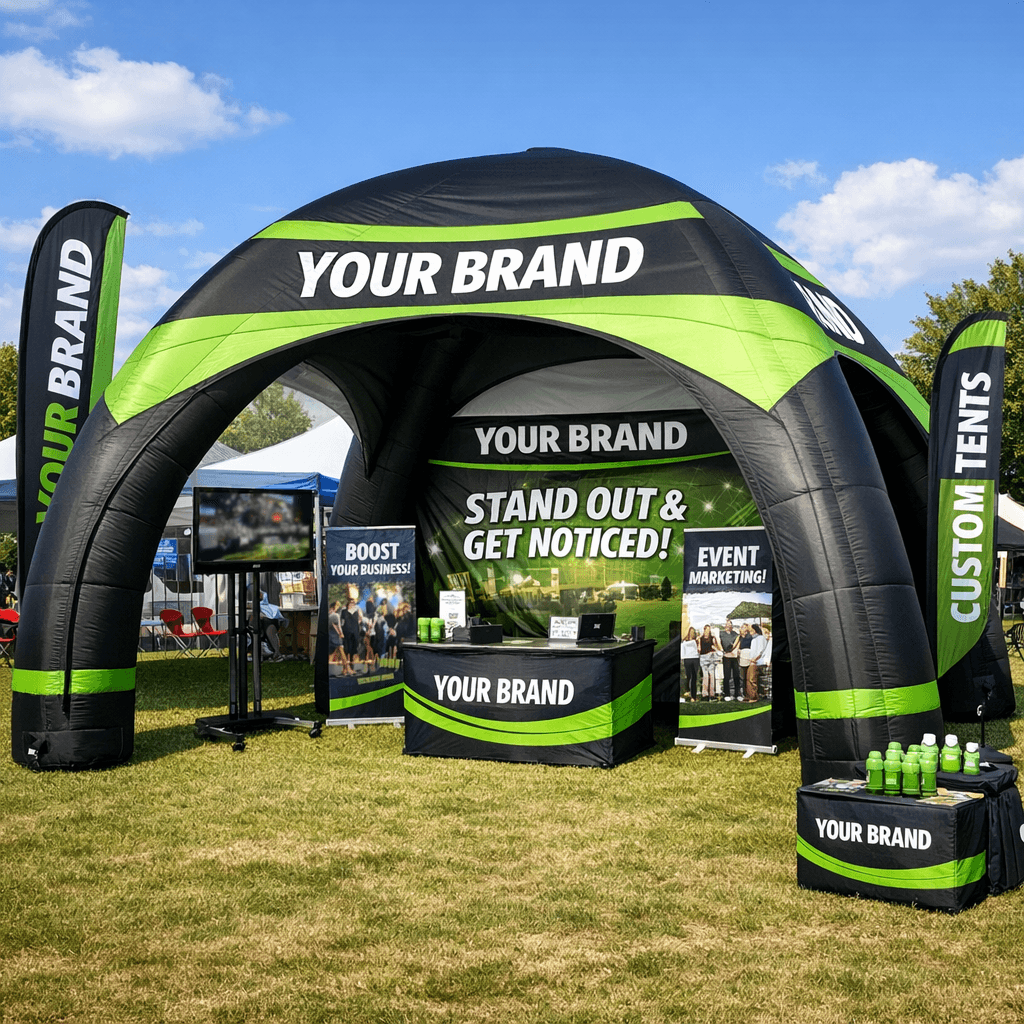
Picking the right size and shape for an advertising inflatable tent isn’t just about making sure it fits in your event space. It’s about how well it attracts attention and supports your brand messaging throughout an event. A larger tent will naturally draw more eyes, but it means heavier packing and setup time. Smaller tents are more portable but may not have the same visual impact or space for branding elements.
Shapes vary pretty widely—from classic dome and tunnel styles to more creative look-at-me structures that mimic product shapes or logos. The right form depends on your brand identity and how you want people to engage with your space. A tent shaped like a giant soda bottle obviously suits a beverage brand, but it can also limit interior usability if you’re planning product demos inside.
One issue some buyers overlook is wind resistance. Tall or uniquely shaped inflatables can catch the wind more easily, which may demand additional weighted anchoring or guy ropes. You need to balance visibility with stability based on your typical outdoor locations.
Material Choices and Durability Considerations
Not all advertising inflatable tents are made equal once you start looking closely at the material specs. PVC-coated polyester is the most common choice because it balances weight, durability, and print quality. However, not every PVC finish is the same. Heavier materials tend to last longer outdoors but add to shipping weight and may shorten blower life due to greater air pressure needed.
UV resistance is another factor. Prolonged sun exposure can degrade colors and fabric strength. Checking the material certification for UV and water resistance helps avoid faded logos or weakened surfaces halfway through your event season. Some suppliers offer specialized UV coatings, but they usually come at a premium.
Repairs are part of any inflatable’s lifespan. Tents that use complex designs with multiple seams and zippers have more potential weak spots. Making sure you have access to durable patch kits or repair services cuts downtime during busy event schedules.
Practical Setup and Breakdown Challenges
Event planners often underestimate the labor involved in setting up an advertising inflatable tent. While the actual inflation only takes minutes, getting the tent positioned right, secured, and integrated with other event elements can stretch the timeline significantly.
Access to power sources is non-negotiable, as the blower needs to run continuously during the event. This means cords and extension cables have to be well-managed to prevent trip hazards and maintain appearance.
Anchoring is often a bigger challenge than clients expect. Indoor setups don’t allow for staking into the ground, so heavy weights or sandbags come into play. These can be bulky to transport. When used outdoors, the ground conditions influence which anchoring method works best. Soft soil calls for stakes, while pavement demands heavier weights that sometimes require pallets or boxes.
Even with added practice, managing an inflatable tent’s setup requires experience. Quick staff turnover or poor training can delay event opening times and frustrate on-site teams.
Branding Opportunities vs. Design Limitations
Advertising inflatable tents offer a large surface area that’s perfect for bold brand messaging. Printing on inflatables tends to give bright, vivid colors, making logos and graphics stand out from afar. This is especially useful for festival environments or trade shows crowded with competing booths.
The catch is that print quality depends on the supplier’s technology and the tent’s material. Dye sublimation printing produces crisp images but demands polyester fabrics and usually higher costs. Screen printing is more affordable but may not capture fine details as well.
Keep in mind the way your tent inflates. Some parts of the tent will fold slightly as it expands, causing minor distortions in the graphics. Placing your key branding elements on flatter, more stable sections will reduce this effect.
If you plan to update graphics regularly, consider tents with interchangeable panels or covers. These allow you to refresh your look without buying a fully new tent, though switching out parts is more work and increases storage needs.
| Key | Product Model |
|---|---|
| 8413 | inflatable advertising tent |
Limits on Target Environments and Use Cases
Not every event environment is a good fit for an advertising inflatable tent. If you’re in crowded urban spaces, tight sidewalks or limited loading zones can make inflatables impractical unless you have skilled setup teams who understand local restrictions.
Environments with strong winds or heavy rain pose natural threats to inflatable structures, requiring frequent monitoring or backup plans.
On the positive side, inflatables can be fantastic eye-catchers at sporting events, outdoor festivals, and large exhibitions where brand visibility over distance matters. They work well as architectural landmarks guiding visitors or hubs for interactive zones.
Indoor use is more limited because of height restrictions and power availability. They might overpower small venues or look out of place in very polished corporate settings. Well-planned events with ample open space tend to get the most value out of these versatile tools. Operational support and site surveys are strongly recommended before committing to inflatables for key shows.
Maintenance and Storage: The Often Overlooked Costs
An advertising inflatable tent is an investment, but ongoing maintenance and storage can turn into hidden expenses if you’re not prepared. Cleaning the tent after each use prevents dirt buildup that can accelerate material wear or stain printed graphics.
Storing the tent must happen in a dry, temperate environment. Moisture trapped inside during storage can lead to mold growth or fabric degradation. Make sure your storage area is large enough to keep the inflatable unfolded but tightly packed to avoid sharp creases.
Occasional blower maintenance also helps extend equipment life. Filters, hoses, and fans should be inspected regularly and replaced or repaired as needed.
Knowing what parts are replaceable and having a relationship with your supplier can help reduce replacement costs over time. Being proactive about these practicalities ensures your advertising inflatable tent lasts for many event seasons without unpleasant surprises.