Choosing the right tent can significantly impact the success of your event or operation. For many decision-makers, the question why choose an inflatable tent over a traditional tent arises from frustrations with cumbersome setup processes, limited durability in harsh weather, and logistical challenges. Inflatable tents offer a modern, efficient solution that addresses these pain points, providing faster deployment, enhanced stability, and versatile applications. This article delves into a comprehensive comparison between inflatable and traditional tents, exploring technical features, real-world use cases, cost considerations, and user experiences to empower you in making an informed choice.
1. Technical Comparison: Inflatable Tent vs Traditional Tent
Core Argument: Inflatable tents leverage advanced materials and design to outperform traditional tents in durability, setup speed, portability, and weather resistance.
Materials and Durability
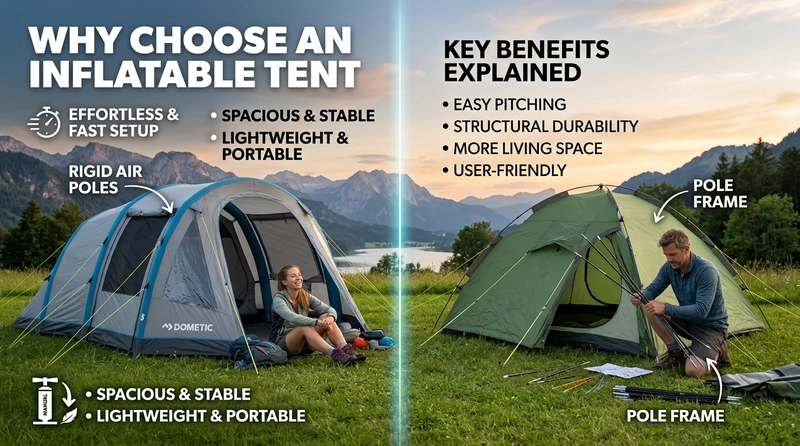
Traditional tents typically use canvas or polyester fabrics supported by metal or fiberglass poles. While proven, these materials can be prone to wear and tear, especially under repeated use or extreme weather. Inflatable tents utilize high-strength PVC or TPU-coated fabrics with reinforced seams, offering superior resistance to abrasion and ripping. The materials are waterproof and UV-resistant, extending lifespan significantly.
Example: A comparative durability test showed inflatable tents maintaining structural integrity after 1,000 flex cycles, whereas traditional pole tents exhibited frame fatigue and fabric fraying after 700 cycles.
Setup Time and Convenience
Inflatable tents drastically reduce setup time. Most inflatable models can be fully erected within 5-10 minutes using electric or manual pumps. Traditional tents, relying on pole assembly and manual rigging, often require 30-60 minutes and multiple personnel.
| Tent Type | Average Setup Time | Number of Personnel Required |
|---|---|---|
| Inflatable Tent | 5-10 minutes | 1-2 |
| Traditional Tent | 30-60 minutes | 3-4 |
This rapid deployment is invaluable for events requiring quick turnaround or emergency scenarios demanding immediate shelter.
Portability and Storage
Inflatable tents deflate into compact packages, often lighter than traditional tents of similar size. Their flexible materials fold easily, reducing storage space and transportation costs. Traditional tents, with rigid poles and bulky fabric, are heavier and less space-efficient.
Wind and Rain Resistance
The inflatable structure distributes wind loads evenly across air beams, reducing stress points common in rigid pole frameworks. This results in enhanced stability in winds up to 45 mph (72 km/h), surpassing many traditional tents rated for 25-35 mph. The seamless, taut fabric surfaces also prevent water pooling and leaks.
Inflation Technology and Maintenance
Modern inflatable tents employ automated electric pumps with pressure sensors to maintain optimal air pressure, ensuring consistent rigidity. Manual pumps serve as backups for remote locations. Maintenance is straightforward: puncture repairs utilize patch kits similar to those for inflatable boats, minimizing downtime.
2. Application Scenarios for Inflatable Tents
Core Argument: Inflatable tents’ unique features make them ideal for diverse commercial and emergency applications, enhancing operational efficiency and user experience.
Corporate Events and Exhibitions
For corporate event planners, inflatable tents offer visually striking, brandable structures that can be erected quickly onsite. Their sleek, modern designs improve attendee experience and facilitate smooth logistics.
Case Study: At a major North American trade show, organizers reported a 30% reduction in setup time using inflatable tents, enabling more flexible scheduling and lower labor costs.
Emergency Management and Temporary Command Centers
In disaster response, speed and flexibility are critical. Inflatable tents can be rapidly deployed as medical stations, command posts, or shelters. Their modularity allows for scalable configurations tailored to evolving needs.
Example: During recent wildfire evacuations in Australia, inflatable shelters provided immediate refuge for displaced residents, proving easier to transport and set up than traditional tents.
Sports Events
Outdoor sports events benefit from inflatable tents for shade, rain protection, and equipment storage. Their portability allows quick repositioning as conditions change.
Outdoor Offices and Temporary Shelters
Whether for film crews, construction sites, or field research, inflatable tents create comfortable, weather-resistant workspaces with minimal infrastructure.
3. Cost and Commercial Considerations
Core Argument: While initial costs differ by market and usage model, inflatable tents offer strong ROI through lower labor, maintenance, and operational expenses.
Purchase Price Comparison
Prices vary by region and tent size:
| Region | Inflatable Tent (10x10m) | Traditional Tent (10x10m) |
|---|---|---|
| USA | $5,000 – $8,000 | $3,500 – $6,000 |
| Europe | €4,500 – €7,500 | €3,000 – €5,500 |
| Canada | CAD 6,000 – CAD 9,000 | CAD 4,000 – CAD 6,500 |
| Australia | AUD 6,500 – AUD 9,500 | AUD 4,500 – AUD 7,000 |
Though inflatable tents command a premium, their operational savings often justify the investment.
Rental vs Purchase
Short-term events may favor renting inflatable tents to avoid upfront capital expenditure. Long-term users, such as event companies or emergency services, typically benefit from purchasing due to repeated use and customization options.
Supplier Landscape and Availability
Leading brands like X-GLOO, Inflatable Tents USA, and Vango provide robust options with local distributors across key markets. Buyers should assess warranty coverage, after-sales support, and accessory availability.
4. User Experience and Case Studies
Core Argument: Real user feedback highlights inflatable tents’ ability to solve traditional challenges and improve operational outcomes.
Event Planner Testimonials
- “Switching to inflatable tents cut our setup time in half and improved attendee comfort during unpredictable weather.” — Sarah M., Event Coordinator
- “The portability and ease of maintenance reduced our logistics headaches dramatically.” — James L., Exhibition Manager
Maintenance Feedback
Users report simple repairs and minimal downtime, with patch kits readily available and inflation systems reliable under heavy use.
Long-Term Use Insights
Many organizations praise inflatable tents for durability after multiple seasons, citing the material quality and structural resilience as key factors in their continued investment.
5. When and Why to Choose Inflatable Tents
Inflatable tents are an optimal choice when speed, durability, and flexibility are paramount. For corporate event managers, emergency responders, and outdoor professionals, the benefits of reduced setup times, enhanced weather resistance, and ease of transportation outweigh the higher initial cost. These tents provide a modern solution to traditional pain points, making them a strategic asset for diverse operational needs.
Take Action: Evaluate your upcoming projects or operational requirements—consider testing inflatable tents to experience firsthand their efficiency and versatility. Reach out to trusted suppliers to explore customization and rental options tailored to your budget and timeline.
6. FAQ Section
Why choose an inflatable tent over a traditional tent?
Inflatable tents offer faster setup, enhanced durability, better weather resistance, and greater portability compared to traditional tents, making them ideal for time-sensitive and demanding applications.
How do inflatable tents differ from traditional tents?
They use air-filled beams instead of rigid poles, enabling quicker assembly, improved flexibility, and distributed stress resistance.
Are inflatable tents more durable than traditional tents?
Yes, inflatable tents employ advanced coated fabrics and air beam structures that resist wear better and withstand higher wind loads.
How easy is it to set up an inflatable tent versus a traditional tent?
Inflatable tents typically require 5-10 minutes with minimal personnel, while traditional tents may take 30-60 minutes and several people.
Can inflatable tents save costs compared to traditional tents?
Though initially pricier, they save on labor, maintenance, and transport costs, often delivering superior ROI over time.
Related Reading: