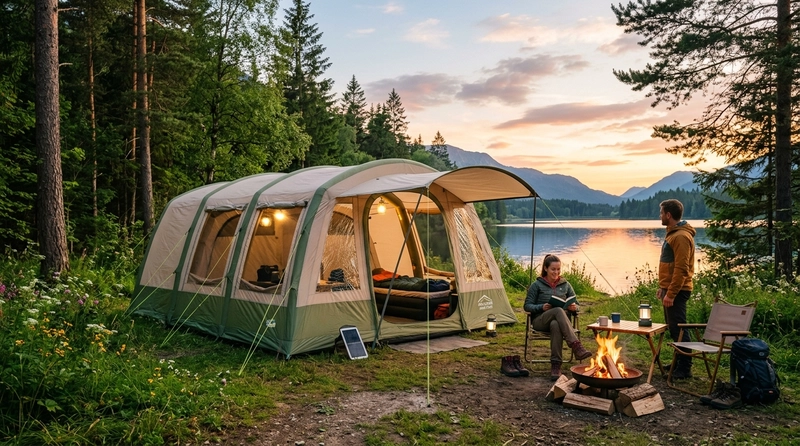
Outdoor inflatable tent houses are rapidly gaining traction as innovative, user-friendly shelters that redefine how we experience outdoor events, emergency response, and corporate gatherings. Traditional tents often present challenges: they are bulky, time-consuming to set up, and require considerable manpower. So, what is an outdoor inflatable tent house, and why are decision-makers and managers increasingly favoring this solution? This article unpacks the definition, technology, benefits, and practical guidance for selecting and maintaining these advanced tents, helping you make informed choices for your next project or emergency plan.
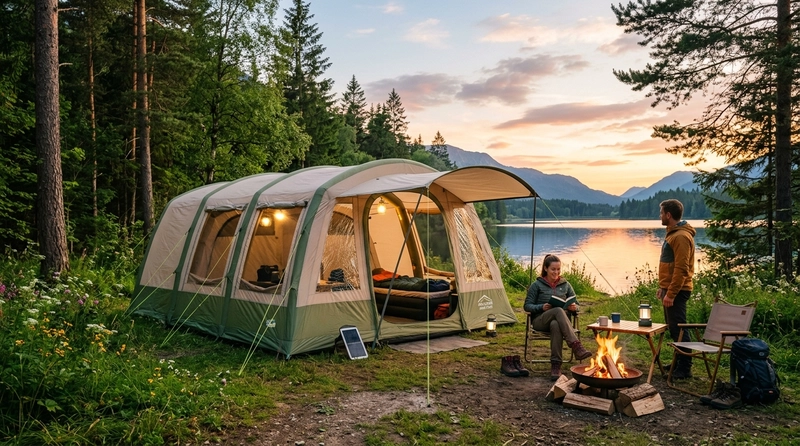
1. What Is an Outdoor Inflatable Tent House?
Core Concept:
An outdoor inflatable tent house is a shelter structure that uses air pressure inflated beams or tubes as its primary support instead of traditional poles or frames. Unlike conventional tents, which rely on metal or fiberglass poles, these tents achieve stability through interconnected inflatable chambers, creating a lightweight yet sturdy framework.
Basic Structure & Types:
- Inflatable Frame: Usually made of durable, airtight fabric tubes that inflate to form the skeleton.
- Outer Cover: Often composed of waterproof, UV-resistant materials such as PVC or TPU-coated textiles.
- Flooring & Accessories: Some models include integrated flooring, windows, and doors with zippers or Velcro closures.
Differences from Traditional Tents:
- Setup Speed: Inflatable tents can be erected within minutes using electric or manual pumps, unlike conventional tents that require manual pole assembly.
- Portability: Weighing significantly less, they are easier to transport and store.
- Structural Integrity: Air pressure distributes forces evenly, providing enhanced resistance to wind and deformation.
Market Trends & Data:
According to recent KCCE market research, the global inflatable tents market is projected to grow by 12% annually through 2026, driven by demand in outdoor events, disaster relief, and military applications. For example, a typical mid-size inflatable tent house measures approximately 5m x 5m x 3m and inflates within 3-5 minutes.
2. How Does an Outdoor Inflatable Tent House Work? Technology and Materials
Core Concept:
The core technology behind an outdoor inflatable tent house lies in its air-inflated support system. When air is pumped into the tent’s beams or tubes, internal pressure stabilizes the structure, much like an inflatable boat or air mattress.
Technology Overview:
- Air Pressure System: High-pressure air pumps inflate the tent’s chambers, creating rigid columns that maintain shape and stability.
- One-Way Valves: Prevent air leakage and enable quick inflation and deflation cycles.
- Reinforced Seams: Heat-welded or RF-sealed to ensure airtight integrity.
Materials Used:
- PVC (Polyvinyl Chloride) Coated Fabric: Offers excellent waterproofing, abrasion resistance, and affordability.
- TPU (Thermoplastic Polyurethane) Coated Fabric: More flexible and UV-resistant, with better longevity and environmental friendliness.
- Mesh Windows & Doors: For ventilation and visibility.
Performance Attributes:
- Waterproof: Typically rated IPX6 or higher, able to withstand heavy rain.
- Wind Resistance: Tested up to wind speeds of 60-70 km/h or higher depending on design.
- UV Protection: TPU coatings can block over 98% of harmful UV rays, prolonging fabric lifespan.
Case Study:
A leading inflatable tent manufacturer conducted fatigue and durability tests showing PVC-coated inflatable beams retained 95% of their structural integrity after 1,000 inflation/deflation cycles. Video demonstrations of the inflation process highlight how a single operator can set up a 20 sqm tent in under 5 minutes, illustrating operational efficiency.
3. Benefits and Typical Use Cases
Core Benefits:
- Rapid Setup and Teardown: Inflatable tents can be erected or packed in minutes, enabling swift deployment for time-sensitive events or emergencies.
- Lightweight and Portable: Compared to traditional tents, inflatable models reduce transport costs and labor requirements.
- Versatility: Suitable for corporate events, outdoor exhibitions, disaster relief shelters, camping, and even military deployments.
- Eco-Friendly: Reusable and often made from recyclable materials, reducing environmental impact.
Use Cases:
- Outdoor Events & Corporate Exhibitions: Companies use inflatable tents as branded pop-up booths due to quick setup and eye-catching designs.
- Emergency and Disaster Relief: NGOs and governments deploy inflatable tents as temporary shelters for displaced populations, thanks to their rapid assembly and durability.
- Recreational Camping: Outdoor enthusiasts benefit from easy transport and weather protection.
- Sporting Events & Festivals: Providing shelter and first aid stations with minimal logistical burden.
Example:
At the 2023 KCCE Outdoor Expo, several exhibitors showcased inflatable tent houses as the preferred shelter for event staff and product displays, citing a 50% reduction in setup time compared to traditional tents. Similarly, during recent flood relief operations in Australia, inflatable tents were rapidly deployed as emergency command centers within hours.
4. Durability and Weather Resistance Analysis
Core Concept:
Durability and weather resistance are critical for outdoor inflatable tent houses to ensure safety and longevity.
Wind and Water Resistance:
- Inflatable tents are designed to meet or exceed EN 13782 standards for temporary structures, ensuring they withstand moderate to strong winds (up to 70 km/h).
- Waterproof rating typically reaches IPX6, meaning the tent resists powerful water jets and heavy rainfall without leakage.
UV Resistance:
- TPU-coated fabrics block UV rays effectively, preventing material degradation and color fading.
- Standard tests show such coatings maintain integrity after 500+ hours of continuous UV exposure.
Maintenance Insights:
- Regular inspection of air beams for punctures or abrasions is essential.
- Avoid over-inflation to reduce seam stress.
- Store tents clean and dry to prevent mold and mildew.
Maintenance Pitfalls:
- Applying excessive pressure during inflation can damage seams.
- Using sharp objects near the tent risks punctures.
- Neglecting proper drying can accelerate fabric deterioration.
User Feedback:
KCCE customer reviews highlight that tents with TPU coatings last up to 3 years under harsh outdoor conditions, surpassing PVC-only models by 30% in lifespan.
5. How to Set Up and Maintain an Outdoor Inflatable Tent House
Step-by-Step Setup:
- Unpack and Lay Out: Remove the tent from its bag and spread it flat on a clean surface.
- Connect the Air Pump: Attach an electric or manual pump to the inflation valve.
- Inflate the Frame: Start pumping air until the tent structure inflates fully and becomes rigid—usually 3-5 minutes.
- Secure the Tent: Anchor the tent using provided stakes, sandbags, or tie-downs to ensure stability.
- Install Accessories: Attach floors, windows, and doors as applicable.
Common Issues and Solutions:
- Slow Inflation: Check for valve leaks or pump malfunction.
- Air Leakage: Inspect seams and valves for punctures; use repair kits if necessary.
- Instability: Ensure all anchoring points are secured properly.
Maintenance Tips:
- Clean the tent fabric with mild soap and water after each use.
- Inspect valves and seams regularly.
- Store in a dry, cool place away from direct sunlight.
Additional Resources:
KCCE provides an instructional video tutorial to visually guide users through setup, deflation, and storage processes, optimizing user experience and reducing operational errors.
6. Buying Guide: Best Products, Rental Options, and Regional Suppliers
Brand & Model Comparison:
- Brand A: High-end TPU-coated tents with wind resistance up to 70 km/h; prices range from $1,500 to $5,000 depending on size.
- Brand B: Affordable PVC tents, good for short-term use; prices around $800-$2,000.
- Brand C: Hybrid models featuring quick-change components for modularity, priced $2,500+.
| Brand | Material | Wind Resistance | Portability | Price Range | Warranty |
|---|---|---|---|---|---|
| Brand A | TPU | 70 km/h | High | $1,500-$5,000 | 3 years |
| Brand B | PVC | 50 km/h | Medium | $800-$2,000 | 1 year |
| Brand C | TPU/PVC | 65 km/h | High | $2,500+ | 2 years |
Rental Services:
- Ideal for short-term events or testing before purchase.
- Rental providers usually include setup and maintenance support.
- Costs vary by region and tent size, averaging $200-$600 per day.
Regional Suppliers:
- North America: KCCE partners with suppliers such as InflataTents USA and QuickShelter Inc.
- Europe: Leading distributors include EuroInflatables and TentTech GmbH.
- Australia: Local suppliers like OzInflatables and RapidShelters specialize in harsh climate-ready tents.
Practical Advice:
- Assess your event duration and frequency before deciding to rent or buy.
- Consider climate and environmental conditions specific to your region.
- Verify warranty terms and after-sales support.
7. FAQs: Addressing Common Concerns
Q1: How does an inflatable tent work outdoors?
Inflatable tents rely on pressurized air beams to maintain their shape and provide structural support. The air pressure balances external forces such as wind and rain, allowing the tent to stand firm without rigid poles.
Q2: Can inflatable tents be used in harsh weather?
Yes, many inflatable tents are designed with durable materials and reinforced structures to withstand moderate to strong winds and heavy rain. However, extreme conditions like hurricanes may exceed their specifications.
Q3: How long does it take to set up an inflatable tent?
Typically, a standard inflatable tent house can be fully set up within 5-10 minutes by one or two people using an electric pump.
Q4: What maintenance is required?
Regular inspections for leaks or damage, cleaning after use, and proper storage are essential to prolong the tent’s lifespan.
Q5: Are there size limitations?
Inflatable tents come in various sizes from small 2-person shelters to large event tents covering over 100 square meters.
Outdoor inflatable tent houses combine innovative technology and practical design to provide fast, durable, and versatile shelter solutions for various outdoor needs. Whether for corporate events, emergency response, or recreational use, they offer unmatched convenience and performance. Explore top-rated inflatable tents today or contact our regional suppliers to find the perfect fit for your next event or emergency plan.