
Real-World Experiences with Inflatable Tents and Puncture Risks
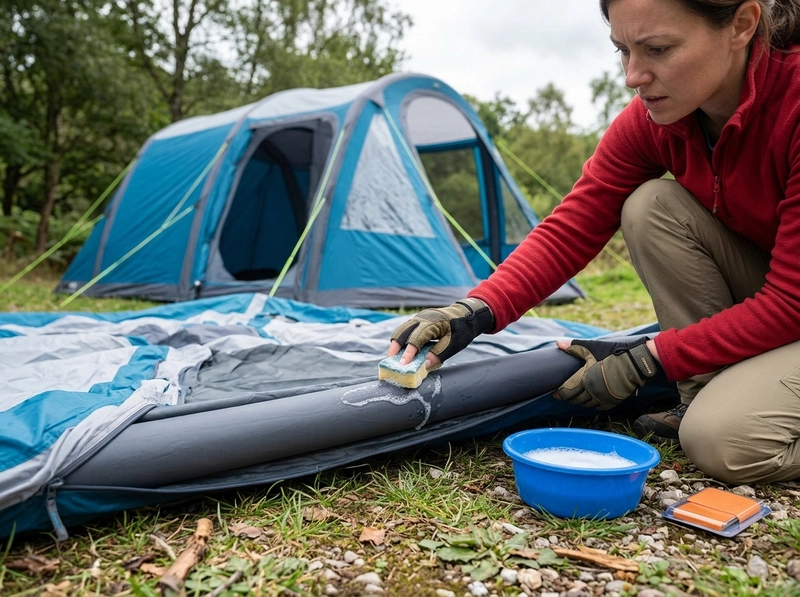
Inflatable tents have grown in popularity for various applications, from promotional events to outdoor camping. While these tents offer a unique blend of portability and quick setup, there’s always concern about their durability over time. It’s important to understand under what circumstances inflatable tents puncture easily and how to minimize risks.
Materials Matter: Choosing the Right Fabric
The fabric of an inflatable tent plays a significant role in its overall durability. Many manufacturers use high-quality, rip-resistant nylon or polyester, which can withstand minor abrasions. However, low-quality materials can lead to increased risks of punctures. When assessing options, it is worthwhile to remember that heavier fabrics often translate to better resistance against sharp objects and general wear and tear.
Consider seeking out tents that utilize a coated fabric. These typically have added layers for durability and can help decrease the chances of punctures. If you’re in a high-traffic environment, such as community fairs or sporting events, a more robust tent could be necessary to avoid unwanted tears when kids run around or merchandise is set up haphazardly.
The Role of Air Pressure
Inflatable tents work by maintaining a specific air pressure to provide structural integrity. Overinflation can lead to increased stress on seams and fabric joints, making them more susceptible to punctures. It’s advisable to use a reliable air pump with pressure indicators to ensure that the tent inflates to the recommended levels.
Conversely, under-inflation poses its own set of challenges. A loosely inflated tent may collapse under wind pressure, leading to damage and potential punctures if it flops against sharp edges or other hard surfaces. It’s essential to balance the air pressure for optimal performance.
Environmental Considerations: Wind and Weather
Inflatable tents perform well under typical conditions, but environmental factors can significantly impact their durability. For instance, sustained high winds can stress the seams and fabric, potentially leading to punctures. It’s not uncommon for event planners to experience issues when engaging inflatable tents in less-than-ideal weather.
If you’re planning to set up an inflatable tent in an area known for unpredictable weather, consider investing in additional anchoring solutions. This can provide extra stability during windy conditions and protect against punctures caused by the tent flapping excessively.
Sharp Objects and Ground Conditions
One of the most commonly overlooked factors in the maintenance of inflatable tents is the ground surface they’re set upon. Rough, uneven, or sharp-ground surfaces can be detrimental to the tent’s fabric. Depending on where you set up, rocks, twigs, or even paving can lead to unintentional punctures.
Utilizing a ground sheet or tarpaulin can help alleviate threats from the ground below. This simple addition provides an extra layer of protection while also increasing comfort and cleanliness for users inside the tent.
Maintaining and Inspecting Inflatable Tents
Regular maintenance can extend the lifespan of inflatable tents and mitigate puncture risks. Scheduling periodic inspections allows you to catch small issues before they evolve into larger problems. After every use, give your tent a thorough check for any signs of wear and tear, paying particular attention to seams, valves, and any areas exposed to sharp surfaces.
Performing routine cleaning can also help maintain fabric integrity. Dirt and debris can exacerbate small holes or abrasions, and keeping the fabric clean may deter the breakdown of materials over time.
Practical Solutions for Everyday Use
Inflatable tents can be incredibly versatile. For event planners, it might be tempting to skimp on budget-friendly models, but as is apparent, the additional expense can be justified when factoring in the durability of sturdier options.
Also, planning how you position your tent—such as keeping it away from foot traffic—can limit exposure to potential puncture points. If you’re working in an event space with a lot of movement around your tent, it may be wise to set up barriers or signage that communicate a safety distance.
If you’re managing a camping venture or outdoor event, consider training your staff or team on handling inflatable structures properly. Educating your team about careful inflated tent disassembly can substantially reduce the risk of punctures.
The Longevity of Inflatable Tents
Inflatable tents can provide years of use if maintained well, but expecting them to last indefinitely is unrealistic. Manufacturers may offer specific warranties that can vary, but factors such as frequency of use, environmental exposure, and care will influence how long an inflatable tent stays puncture-free.
Understanding warranty expectations is crucial. Before making a purchase, read the fine print regarding what damages are covered. This knowledge can save both time and financial resources in the long run.
Budgeting for Repair Kits
While most inflatable tents come with repair kits, they’re often underutilized. It’s wise to set aside a small budget for purchasing additional kits or supplies. A puncture doesn’t have to mean the end of a successful tent; many small leaks can be patched quickly if you have the tools on hand. Accidental punctures can happen to even the best-managed structures, and being prepared will help minimize downtime during a busy event.
Additionally, consider investing in your own puncture repair systems, should you find that your tents frequently encounter challenging circumstances. A proactive approach can alleviate the need to replace tents often, which could be far more costly.
Adapting to Different Scenarios
Every inflatable tent setup comes with its own context, which calls for unique consideration regarding puncture risks. For example, if your event involves children, recognizing that they might not always be aware of their surroundings can help you anticipate where potential puncture risks exist. Likewise, if you’re using a tent for product displays, consider ways to secure or protect your goods while minimizing the risk posed to the tent fabric.
Find ways to incorporate the tents into your overall event strategy. This may involve planned activities away from the tent combined with strategically placed barriers to decrease the likelihood of damage. Adaptive management techniques and pre-emptive planning are key to ensuring successful event execution without compromising the integrity of your inflatable tents.
Lessons Learned from Field Experience
Over the years, various clients have shared insights based on their experiences with inflatable tents. For instance, one event planner noted that a last-minute switch to a higher-quality inflatable tent remarkably reduced troubleshooting during events. Their learning curve led them to compare upfront costs against long-term durability benefits.
Another buyer pointed out that having a standby plan for adverse weather always paid off. They highlighted that a simple communication strategy regarding weather patterns and proactive management helped detect risks early, preventing unexpected damage to their inflatable tents.
It’s these collective lessons that crystallize the importance of being informed and prepared for real-world factors that can affect inflatable tents.
Inflatable tents can serve a multitude of purposes effectively when used appropriately. By understanding puncture risks, you not only extend the life of the tent but also enhance the overall experience for users and clients alike.