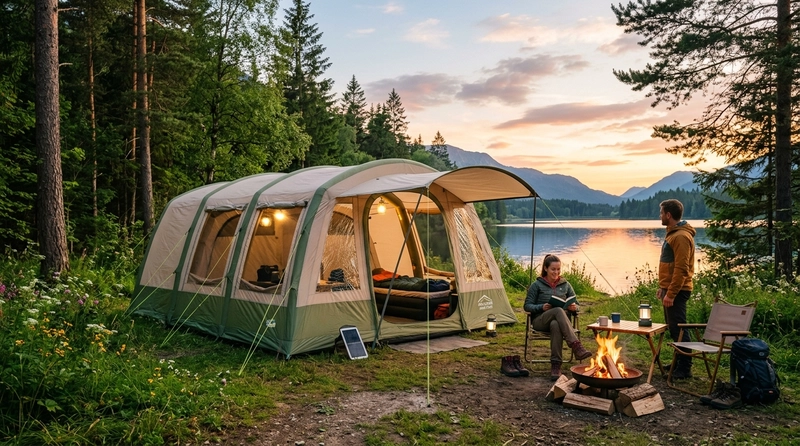
Understanding the Lifespan of Inflatable Tents: Factors to Consider
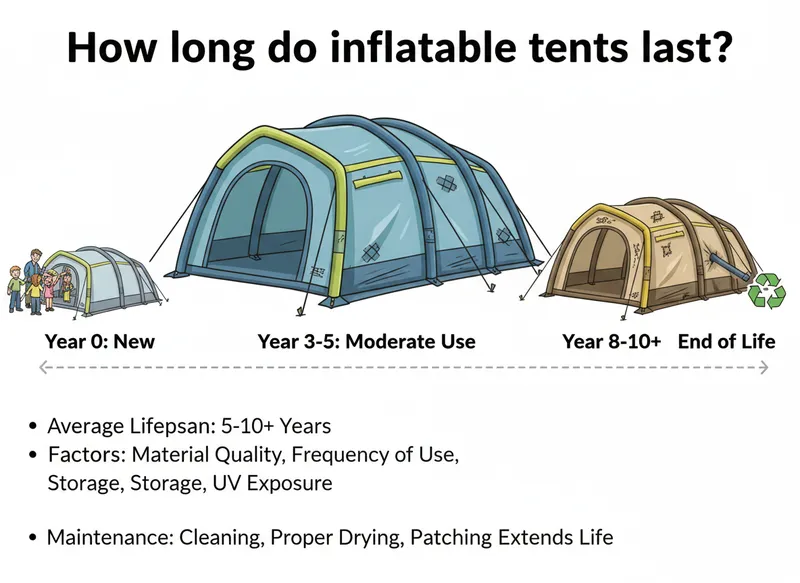
When investing in inflatable tents for your events or camping trips, one of the key considerations is the lifespan of these versatile structures. Understanding how long inflatable tents last can help you make informed decisions and ensure that you get the most value out of your investment.
Quality Matters: The Impact of Material and Construction
The durability and longevity of inflatable tents are significantly influenced by the quality of materials used in their construction. High-quality materials, such as durable PVC or nylon, can enhance the lifespan of the tent by providing resistance to wear and tear, UV exposure, and harsh weather conditions. Additionally, the construction and stitching of the tent play a crucial role in determining its resilience and longevity.
Choosing inflatable tents from reputable suppliers known for their quality craftsmanship and attention to detail can ensure that your investment lasts for years to come. Prioritizing quality over price can ultimately save you time and money in the long run by avoiding frequent replacements.
Maintenance Matters: Proper Care and Storage
Just like any other camping or event equipment, inflatable tents require regular maintenance to maximize their lifespan. Proper care and storage practices can extend the longevity of the tent and prevent premature wear and damage.
Regularly inspecting the tent for any signs of wear, cleaning it after each use, and storing it in a cool, dry place away from direct sunlight can help preserve its quality and structural integrity. Inflatable tents should be deflated, cleaned, and dried thoroughly before storage to prevent mold, mildew, and other potential damage.
Frequency of Use: Balancing Activity and Rest
The frequency of use plays a significant role in determining how long an inflatable tent lasts. While these tents are designed to be durable and withstand regular use, excessive or prolonged use without proper maintenance and care can shorten their lifespan.
Balancing the activity levels with adequate rest periods for the tent can help prolong its longevity. Alternating between different tents for various events or rotating them to prevent overuse can distribute the wear and tear more evenly and extend the overall lifespan of each tent.
Environmental Factors: Adapting to the Elements
Inflatable tents are designed to be versatile and adaptable to various environments, but they are still susceptible to the elements. Exposure to extreme weather conditions, such as high winds, heavy rain, or prolonged sunlight, can accelerate the wear and tear on the tent and reduce its lifespan.
Choosing the right location for pitching the tent, securing it properly with stakes or weights, and monitoring the weather forecast can help mitigate the impact of environmental factors and ensure the longevity of the inflatable structure. Additionally, investing in accessories like weatherproof covers or ground sheets can provide an extra layer of protection against harsh conditions.
Usage Scenarios: Tailoring Durability to Specific Needs
The lifespan of an inflatable tent can vary depending on its intended usage scenarios. Event tents that are set up and taken down frequently may experience more wear and tear compared to camping tents used for seasonal trips. Understanding your specific needs and usage patterns can help you choose the right type of inflatable tent with the appropriate durability and longevity.
Considering factors such as the duration of events, transportation requirements, and storage limitations can guide your decision-making process and ensure that the inflatable tent meets your expectations in terms of lifespan and performance. Customizing the tent specifications to align with your specific requirements can help maximize its durability and longevity in the long run.
Making Informed Decisions and Maximizing ROI
In conclusion, the lifespan of inflatable tents is influenced by a combination of factors, including material quality, maintenance practices, frequency of use, environmental conditions, and specific usage scenarios. By understanding these key considerations and making informed decisions based on your unique needs, you can maximize the longevity of your inflatable tent and achieve a higher return on investment
.
As you explore the options available in the market and evaluate different inflatable tent solutions, keep in mind the importance of quality, maintenance, usage patterns, and environmental factors in determining how long your inflatable tent will last. By prioritizing durability and longevity, you can ensure that your investment in inflatable tents delivers value and reliability for years to come.