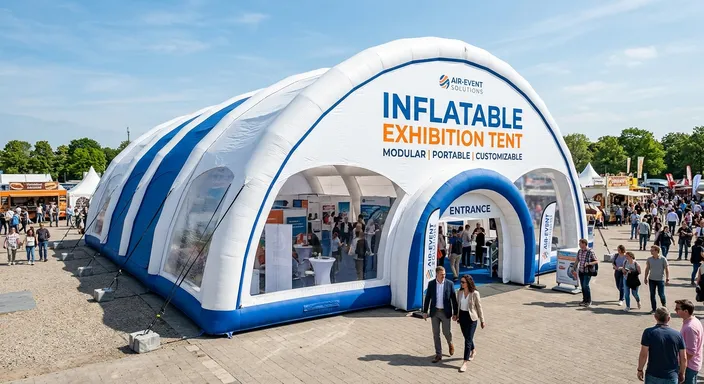
Inflatable Exhibition Tent for Varied Event Sizes
Events come in all shapes and sizes, and so do the spaces where they are held. Selecting an inflatable exhibition tent that matches the scale of your event is fundamental. A tent that’s too small can limit visitor flow and display options, while one that’s oversized might feel empty and uninviting, besides increasing transportation and setup costs.
Clients often overlook the impact of ceiling height within an inflatable exhibition tent. Higher ceilings not only improve ventilation but also allow for larger display pieces or hanging banners, which can dramatically enhance brand visibility. However, taller tents may require more robust anchoring systems and space clearance, so assessing the venue parameters is essential.
Modular inflatable tents offer flexibility when handling fluctuating event sizes. They allow you to connect multiple tent sections or adjust the footprint easily. This adaptability can be a game-changer for businesses that participate in various kinds of events, sparing the need for multiple different tents.
Balancing Durability and Portability in Inflatable Exhibition Tents
Long hours outdoors demand exhibition tents that withstand the elements. The material of an inflatable exhibition tent plays a pivotal role here. Tough PVC or reinforced polyurethane fabrics protect against sun, wind, and light rain, which are common at outdoor exhibitions. But durability often adds weight and bulk.
Portability matters when your event schedule involves rapid setup and takedown or multiple locations within tight time frames. Lightweight tents shrink the burden but may compromise on robustness. Many suppliers provide tents that strike a balance by using layered materials, offering strength without excessive weight.
The design of the tent and its packaging also impacts portability. A tent that deflates into a compact bag and comes with robust blowers can significantly speed up the process. This is crucial for crews managing busy event calendars or limited staffing.
Managing Setup and Logistics for Inflatable Exhibition Tents
The logistics of handling an inflatable exhibition tent can become complex faster than expected. While these tents often promise quick setup, challenges arise when venues have strict regulations on anchoring or noise from blowers.
Understanding site rules early—like restrictions on stakes or weight requirements for securing tents—is critical to avoid last-minute headaches. Inflatable tents often need ballasts or water weights in locations where stakes aren’t permitted, impacting transport weight and setup effort.
Having a trained team familiar with your chosen inflatable exhibition tent makes a significant difference. Even tents advertised as ‘plug and play’ can have nuanced steps or require troubleshooting. Investing in thorough training or vendor support ahead of events reduces potential downtime.
Inflation equipment reliability also plays a role. Backup blowers and access to replacement parts should be part of your standard preparation protocol.
Customization Options and Branding Considerations
One of the primary reasons many turn to inflatable exhibition tents is the high degree of customization they allow, especially from a branding perspective. However, it’s important to evaluate what truly works for your audience and not just chase flashy aesthetics.
Printing logos, patterns, or entire scenes on tent surfaces can generate strong brand impressions. Yet, heavier printing can limit fabric flexibility or affect drying times after rain. Some applique or sewn-on branding methods offer durability but complicate setup and storage.
The tent shape influences branding opportunities as well. Dome or arch-shaped tents offer large, continuous surfaces ideal for high-impact visuals, whereas box-shaped tents provide more wall space but less aerodynamic appeal. Consider how the silhouette will stand out in a crowded exhibition area.
Custom shapes or hybrid designs might add uniqueness but be aware of longer lead times and potentially higher costs. Additionally, extreme shapes may affect stability in windy conditions or require specialized anchoring.
Weather and Environmental Challenges in Outdoor Displays
Hosting exhibitions outdoors invites nature’s unpredictability into the equation. The inflated structure of these tents means that wind pressure and quick changes in weather demand careful attention to safety measures.
Wind speeds above a certain threshold can destabilize inflatable exhibition tents, regardless of how well secured they are. Many operators find it necessary to monitor weather updates closely and have contingency plans including temporary closure or evacuation.
Rain, while less of a concern due to waterproof fabrics, can still cause pooling issues if the tent roof isn’t properly designed with tension and drainage in mind. Pooling water adds weight, which may stress seams or inflation points.
In hot conditions, the interior of inflatable exhibition tents can trap heat, affecting both equipment and visitor comfort. Ventilation options like mesh walls, windows, or vents can alleviate this but might reduce privacy or branding surfaces.
Choosing your inflatable tent’s color can also indirectly influence temperature. Lighter colors reflect sunlight better, keeping interiors cooler but might show dirt faster outdoors.
Warranty, Maintenance, and Longevity Factors
Thinking beyond the initial purchase price is critical when investing in inflatable exhibition tents. Their longevity depends heavily on how they are maintained and the conditions under which they operate.
Regular inspections for seam integrity, fabric punctures, and blower function extend usable life. Small repairs caught early prevent costly replacements. Some inflatable fabrics require special cleaning solutions or techniques to preserve coatings and colors.
The warranty coverage offered can signal the manufacturer’s confidence in the product but always read the fine print. For products put under harsh use across multiple events annually, consider extended warranty options or service plans.
Storage conditions when the tent isn’t in use matter significantly too. Avoiding prolonged exposure to moisture or UV when packed away stops mold and fabric degradation. Storing in climate-controlled environments is a best practice if space allows.
Understanding these practical maintenance elements helps companies budget sensible operational costs and avoid unexpected downtime during crucial events.