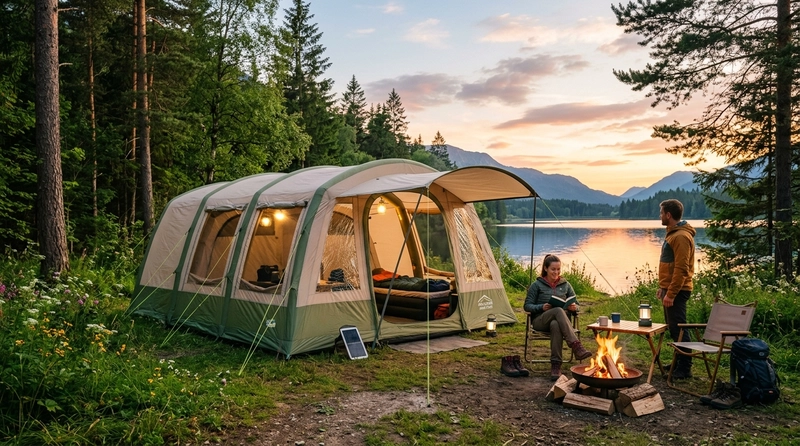
Your Branded Inflatable Tent
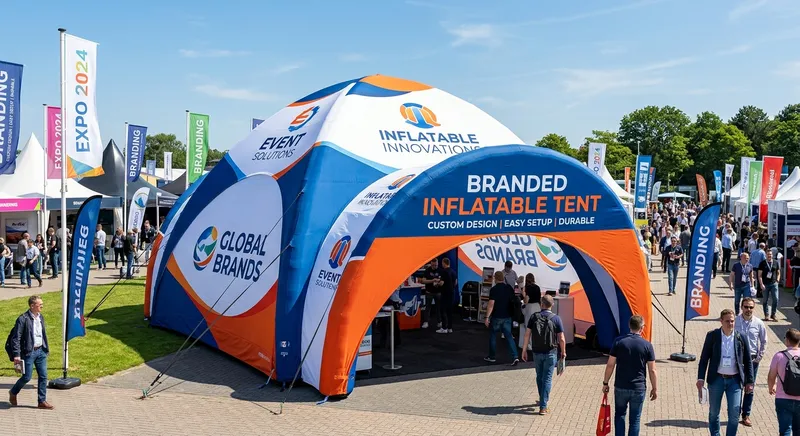
One of the first challenges when selecting a branded inflatable tent is deciding on the appropriate size. This decision often depends on the event type, the expected foot traffic, and the kind of activities planned inside or around the tent. For example, a compact 3×3 meter tent may suffice for a simple pop-up booth at a trade show, but a larger 6×6 or even bigger unit is essential for outdoor festivals or sporting events where more product displays or meeting areas are necessary.
The design intricacies are equally important. You need to consider how the tent’s shape and print layout will showcase your branding best without overwhelming the structure. Some clients prefer a dome-style tent with a clean, bold logo on each side for maximum visibility, while others opt for tunnel-shaped tents that provide unique entrances and advertising space. Balancing aesthetics with functionality means the tent not only attracts attention but also remains practical for setup and breakdown.
The choice of materials also impacts durability and print quality. Heavier, coated fabrics tend to endure harsh weather conditions better, which is crucial for outdoor use, though they might add weight and complexity to transportation. Conversely, lighter materials can be easier to manage but may sacrifice longevity or print vibrancy.
Balancing Portability and Durability in Inflatable Event Tents
Clients frequently struggle with finding an inflatable event tent that is both easy to transport and tough enough to withstand frequent use. A branded inflatable tent should support multiple setups and takedowns without sustained wear, especially when used across various event locations.
Manufacturers typically produce tents using high-grade PVC or TPU materials that offer a good balance between flexibility and strength. However, tent construction methods—like double-welding seams versus heat-sealed ones—play a crucial role in how well the tent can handle stress over time.
Another element is the inflation system. For rapid setups, electric blowers are standard, but relying too heavily on blower power without sufficient structural engineering can mean more frequent repairs down the line. Some buyers consider hybrid designs with air beams reinforced by lightweight frames to achieve more stability without sacrificing portability.
Think about the transport logistics early. Bulky tents require larger bags or cases, adding to shipping costs and handling effort. If your team is short on manpower or vehicle space, opting for compact, highly packable tents might reduce strain during deliveries and onsite assembly.
How Branding Impacts Visibility and Engagement with Inflatable Tents
A branded inflatable tent does more than just provide shelter—it serves as a mobile billboard, visually anchoring your presence amidst a busy event environment. Yet, simply slapping a logo onto the canopy won’t guarantee your brand’s message is heard.
Effective branding needs strategic placement. Look for tents that allow branding on multiple surfaces—the roof, sidewalls, and even inflatable pillars or archways. High-contrast colors and clear typography help attendees recognize your brand from a distance or in crowded spaces.
Some event planners ask about incorporating UV-resistant inks or reflective materials to maintain vibrancy under sunlight or improve nighttime visibility. These details matter for outdoor festivals or evening events. They also influence costs and turnaround times on production, which are critical for tight timelines.
Consider also interactive branding opportunities. Inflatable tents can be designed with windows or partial walls to showcase product demos, promotional materials, or digital screens. This integration deepens engagement beyond mere visual impact and encourages visitors to step inside.
Managing Weather Challenges with Inflatable Camping and Event Tents
Outdoor events come with unpredictable weather, making resilience a key priority for inflatable tents. While these tents offer quick deployment and eye-catching design, they have limitations under severe weather conditions such as strong winds or heavy rain.
Branded inflatable tents typically anchor with stakes, weights, or sandbags, but these methods may not suffice in gusty or stormy environments. Buyers often ask how much wind resistance a tent can realistically deliver. Most inflatable tents function best in mild to moderate conditions and should be supplemented with additional anchoring systems or nearby sheltered setups when facing harsher weather.
Waterproof coatings are another consideration. While most tents will repel rain, continual exposure to moisture can lead to mildew or weakened seams over time. Regular maintenance and drying after events help prolong lifespan.
Temperature fluctuations affect the air pressure inside the tent. As the ambient temperature changes, occasional reinflation may be necessary to maintain structural integrity. This factor calls for constant monitoring during long-duration outdoor activities.
Distribution and Inventory Decisions for Multi-Location Inflatable Tent Use
For distributors or event organizers handling multiple events simultaneously, managing a fleet of branded inflatable tents presents logistical and maintenance challenges. How many tents do you need to cover various schedules? What backup plans are in place if a tent has damages or malfunctions?
Inventory decisions hinge on the types of events and frequency of use. Having at least one tent in reserve can reduce downtime, though storing unused inflatables requires adequate space and climate conditions to prevent degradation.
Standardizing tent models simplifies training for setup crews and reduces the variety of spare parts or blower units required. However, having flexibility in tent sizes and styles allows you to match specific client needs better.
Repairability also matters. Inflatable tents are often patchable on-site if minor punctures occur, but deeper structural damage can necessitate manufacturer intervention or replacement. Understanding the average repair times and costs upfront allows for better contingency planning.
Analyzing historical usage patterns and coordinating shipment schedules form the backbone of effective multi-location management. Good record-keeping of wear, repairs, and deployment timelines ensures the branded inflatable tents remain reliable assets throughout their service life.