Inflatable Party Tent for Outdoor Events
When planning an outdoor event, selecting the right inflatable party tent can make all the difference. For event planners juggling variables like weather, budget, and guest numbers, understanding how various tent designs perform under real conditions is essential. Inflatable party tents offer a quick setup compared to traditional frame tents, but they come with specific considerations.
Size matters beyond just capacity. Inflatable tents are available in various shapes and dimensions, but the internal usable space can vary based on the design of the inflatable pillars and arches. Some models offer more open space inside, which is beneficial for accommodating furniture, stages, or crowds. You’ll want to balance the footprint with the site’s available area and ensure there’s enough clearance for entrances and service zones.
Stability and ventilation are practical aspects that shouldn’t be overlooked. Many inflatable party tents rely on continuous air blowers to maintain shape, so planning for power sources is important. Some newer designs incorporate battery backups or separate airlock compartments to minimize air loss. Keep in mind that in hot or humid conditions, tents with poor airflow can become uncomfortable quickly, so models with integrated ventilation options or removable panels often perform better in such climates.
Handling Weather Challenges with Inflatable Party Tents
Outdoor events rarely go exactly as planned, especially when the weather turns. Inflatable party tents handle rain and wind differently than conventional tents due to their construction. The inflatable beams and arches make them generally sturdy and resistant to sudden gusts, but they are not immune to strong winds.
Securing an inflatable party tent is crucial. Using high-quality anchors tailored to the ground surface—whether it’s grass, concrete, or sand—improves stability and safety. A frequent oversight is ignoring the potential for water pooling around tent bases. Unlike rigid frame tents, inflatable tents typically have softer, more flexible edges that can make them susceptible to shifting if the ground softens after rain. Using ground tarps or weight bags can help maintain position without damaging the tent.
For prolonged events, consider how the fabric reacts to UV exposure. Inflatable tents made from coated polyester or PVC generally offer decent UV resistance, but over many hours under direct sunlight, the material can start softening, which might affect air pressure and integrity. Picking a tent with reinforced seams and sufficient thickness helps avoid degradation during use.
Balancing Portability and Setup Time for Event Logistics
Inflatable party tents are often chosen for their portability, but there’s a trade-off between quick inflation and the logistics of transporting the unit. A compact tent isn’t always light, especially when it comes to larger models designed for 50 or more people. The weight of the fabric, integrated blowers, and accessories adds up.
Planning transport means paying attention to the package dimensions and weight. Inflatable tents often come with dedicated storage bags, but depending on the tent size, they may require special handling or larger vehicles. Setting realistic expectations about how many people will be involved in setup makes a difference, too. While the inflation process can be performed by one or two people, positioning and anchoring the tent often require additional helpers.
Speed of setup is a strong advantage if your event needs quick turnaround times. Most inflatable party tents can be fully erected in under 15 minutes once the site is prepped. However, deflation and repacking usually take longer to ensure the fabric dries properly and is folded correctly to avoid damage. It’s a good practice to allocate extra time in your schedule for these tasks, especially if the tent will be reused rapidly or transported long distances afterward.
Customization and Branding Considerations for Inflatable Tents
Many professional buyers and distributors look at inflatable party tents not just as shelter but as branding tools. The surface of these tents offers a sizeable canvas for logos, slogans, or event themes. Yet, applying customization comes with its own set of challenges.
Digital printing on inflatable tent fabric requires expertise to maintain print vibrancy and durability, especially since the tent material can stretch and flex during inflation. Buyers should ask suppliers about the printing methods used, resistance to scraping, and colorfastness against weather conditions. Sometimes, patches or separate banners attached outside offer more flexibility for changing graphics without investing in a whole new tent.
The shape of the tent can also affect how visible branding is from different angles. While dome shapes provide 360-degree exposure, arch-style or tunnel-like tents have natural ‘fronts’ where visibility is highest. Planning your venue layout and traffic flow can maximize the impact of branding on an inflatable party tent.
Selecting the Right Type of Inflatable Party Tent for Different Event Types
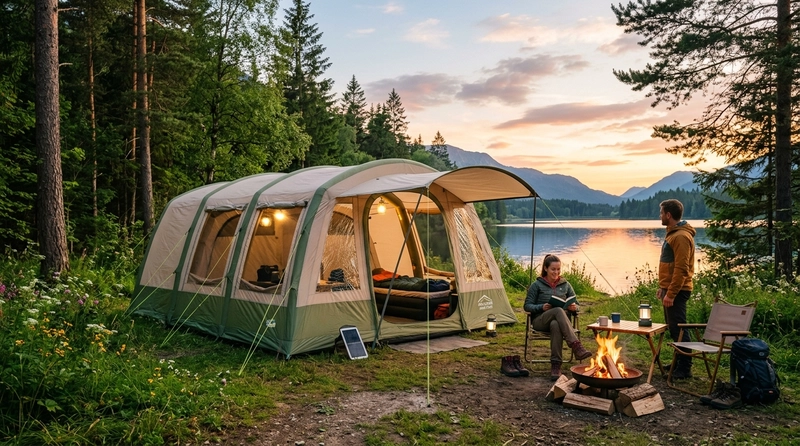
Not all events require the same style of tent. For corporate gatherings, inflatable event tents with a sleek, professional look might be preferable. Their smooth lines and neutral colors fit business themes without distraction. Meanwhile, an inflatable camping tent focuses on portability and weatherproofing and might be better suited for festival camper accommodation or adventure-themed promotions.
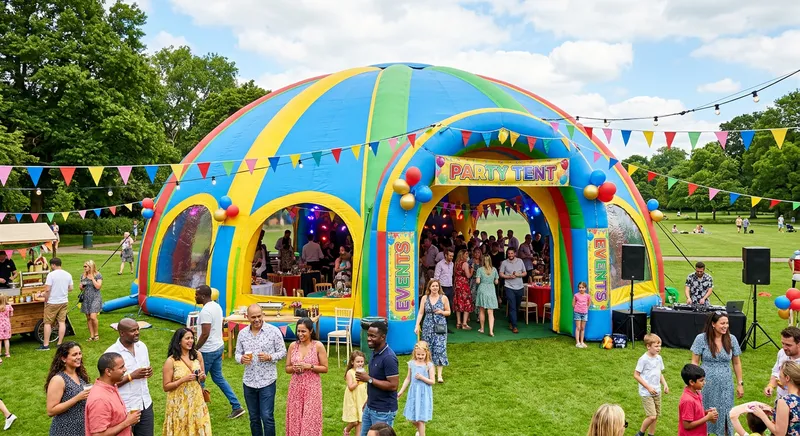
Family parties and casual outdoor celebrations often benefit from colorful or themed inflatable party tents that create a fun, festive atmosphere. Features like transparent sidewalls, integrated lighting, or quick-attach modules enable customization and enhance guest experience.
When considering long-term rental or resale, durability becomes a priority. Inflatable tents with reinforced stress points and repair kits included promise better lifespan under frequent use. Understanding your typical event requirements and maintenance capacity helps in choosing the style and complexity of the inflatable party tent that matches your business needs.
Maintenance Tips That Extend the Lifespan of Inflatable Party Tents
Proper care significantly influences the longevity of any inflatable party tent. After each use, it’s essential to clean the tent fabric thoroughly using recommended mild detergents, avoiding harsh chemicals that can degrade the material.
Drying the tent completely before storage prevents mold and mildew, a major cause of material breakdown. Inspections for small punctures or seam damage after every event allow for minor repairs before issues escalate. Many professional buyers keep a repair kit on hand to patch tents quickly on-site or between bookings.
Routine blower maintenance is often overlooked but critical. Checking filters, seals, and electrical connections can prevent unexpected failures that cause air leaks during events. Having a backup blower or at least a plan for emergency inflation helps maintain operational reliability.
Understanding the interplay between frequent use, environmental exposure, and proper upkeep enables distributors and event planners to get the most value from inflatable party tents while minimizing downtime and repair costs.