Inflatable Garage Tent Space
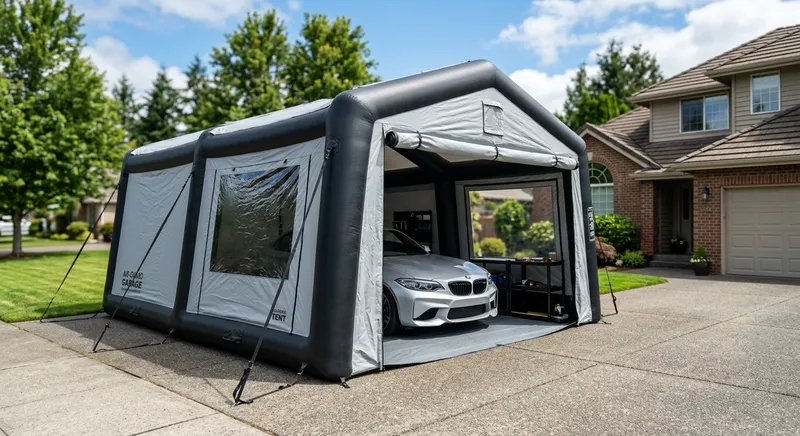
One of the first practical concerns when considering an inflatable garage tent is selecting the appropriate location. Unlike traditional garage setups, inflatable garages require a flat, clean surface that can accommodate the entire footprint without obstacles like uneven pavement, rocks, or tree roots. This is especially true when the tent is used for vehicle storage, repair, or as a shelter for outdoor events.
Planners should also think about proximity to power sources if using electric pumps or lighting inside the tent. While some inflatable garage tents come with battery-powered blowers, having easy access to electricity ensures continuous inflation and proper ventilation. It’s often tempting to place these tents in cramped urban backyards, but space limitations can hinder proper anchoring and secure inflation.
Leakage or insufficient anchoring can turn an inflatable garage tent into an accident risk, especially in windy conditions. So factoring in how the chosen spot handles weather – whether it’s wind tunnels around buildings or areas prone to flooding – becomes critical. In most cases, a spot that gets good sunlight during the day helps keep moisture in check, reducing mold and mildew buildup.
Weighing Durability Against Portability
Many professional buyers hesitate when balancing the need for ruggedness with the desire for easy transport. Inflatable garage tents boast advantages for quick setup and takedown, which makes them a favorite for temporary storage and mobile workshops. However, not all inflatable tents are created equal in terms of materials and frame strength.
Heavy-duty PVC-coated fabrics provide toughness against abrasion, UV rays, and moderate impacts, but they add weight and bulk. If your operation involves frequent relocation, you might prefer a lighter nylon blend that’s quicker to deflate and pack, but that comes with the trade-off of lower tear resistance.
Consider the intended usage duration. For seasonal or long-term storage, investing in a robust inflatable garage tent is worthwhile, as it withstands wear better and demands less maintenance. For events and short-term needs, portability and rapid deployment often take precedence.
Also, repairability is a factor. Some material choices enable easier patching without specialized tools, while others may require professional intervention. Keeping a patch kit handy is still advisable, regardless of the tent’s build.
Navigating Ventilation and Climate Control Challenges
Inflatable garage tents create an enclosed environment that can trap heat and humidity, potentially damaging stored vehicles or equipment. For businesses or event setups relying on these tents, ventilation is a concern that can’t be overlooked. Without proper airflow, condensation forms, causing corrosion or mold.
Deciding how much ventilation to integrate starts with the climate. In hot, sunny areas, mesh windows or zippered vents are crucial to maintaining air circulation and keeping temperatures down. Be mindful, however, that more openings may compromise insulation or security, so closures must fit tightly.
Heating is another consideration during colder months. While inflatable garage tents are not inherently insulated, adding portable heaters inside can maintain workable conditions. The downside is ensuring safe venting of fumes—key for both compliance and safety.
Planning for rain or snow means thinking about roof load and drainage. Inflatable tents don’t have rigid structures to shed melting snow quickly, so heavier accumulations require frequent clearing. Also, ensure that vents remain above water lines during storms to prevent flooding.
Customization Options for Professional Needs
No two professional buyers are exactly alike, and inflatable garage tents offer flexible customization to match specific needs. Sizes can range from small one-vehicle shelters to large multi-car workshops, and sidewalls come in various configurations for access and visibility.
Adding branding through printed panels or colors helps event planners and distributors maintain brand presence and visibility even in temporary setups. Some inflatable garage tents also support modular attachments or internal partitioning, which can be valuable for multi-use events where storage, working areas, and customer zones coexist.
Lighting integration is another practical customization. Options here include hooks for hanging lights or transparent roof sections that allow natural light during daytime.
Transport considerations dictate options for carrying cases or wheels on frames, which streamline mobility for distributors moving tents between clients or events. Always check weight and deflation time when selecting among these features—complex customization sometimes means sacrificing speed of deployment.
Dealing with Maintenance and Operational Costs
Beyond initial purchase, maintaining an inflatable garage tent involves routine checks and preventative care. Because they’re inflatable, these tents rely heavily on the integrity of seams and air-tightness. Regularly inspecting valves, zippers, and fabric for wear reduces downtime and costly repairs.
Cleaning is straightforward but needs attention to avoid chemical damage. Harsh solvents or brushes can degrade the protective coatings, so mild soap and water are usually best. After cleaning, thorough drying prevents mold growth.
Operational costs also include electricity for continuous inflation if your setup isn’t completely airtight or if the tent is used intensively. Backup blowers or rechargeable options can reduce risks during power failures but require investment.
Many professional operators keep spare parts like extra fans, patch kits, and anchoring equipment readily available. The logistics of storing and transporting these supplies alongside the tent itself is an often-overlooked expense that affects efficiency during busy event seasons or rapid deployments.
Assessing Safety Regulations and Compliance
Using an inflatable garage tent in a professional setting demands attention to safety codes and liability issues. Local fire regulations may require flame-retardant materials, clearly marked exits, and specific anchoring methods to qualify for permits.
Certain events or business sites mandate structural certifications or insurance for temporary structures, and inflatable tents fall under these regulations. It’s advisable to consult with event organizers and local authorities before deployment to ensure compliance.
During setup, appropriate training for workers who inflate and secure the tent minimizes risks of injury or damage. Simple things like ensuring cords aren’t tripping hazards and that emergency egress routes remain unobstructed make a big difference on-site.
Proper signage about maximum occupancy, vehicle sizes, or weight limits should also be enforced. These may seem like administrative details but contribute significantly to safe and smooth operations, especially in busy or public venues.
Careful consideration of these practical aspects will help buyers and planners choose and utilize inflatable garage tents that meet real-world demands without unexpected setbacks. This hands-on approach ensures longevity, safety, and overall value in diverse professional applications.