
Outdoor Tents Inflatable for Your Event Setup
Selecting outdoor tents inflatable involves more than just picking an eye-catching shape or color. Event planners and professional buyers need to assess the function the tent will serve, the environment it will be deployed in, and the logistics of transport and setup. For instance, a large inflatable event tent for a trade show requires a sturdy base and reliable anchoring systems, especially if it’s placed outdoors where wind conditions may vary. Lightweight camping inflatable tents might prioritize portability over heavy-duty sturdiness, which could be a downside for longer, multi-day events.
Setting up an inflatable advertising tent brings in additional considerations such as branding space and visibility. The structure has to allow for printing graphics without wrinkles or distortion, and the material should hold up under sun exposure without fading quickly. Inflatable materials often have different resistance to UV or puncture damage depending on whether the tent is PVC-coated nylon, TPU, or another composite fabric. Understanding these material characteristics helps to avoid costly replacements or diminished promotional impact.
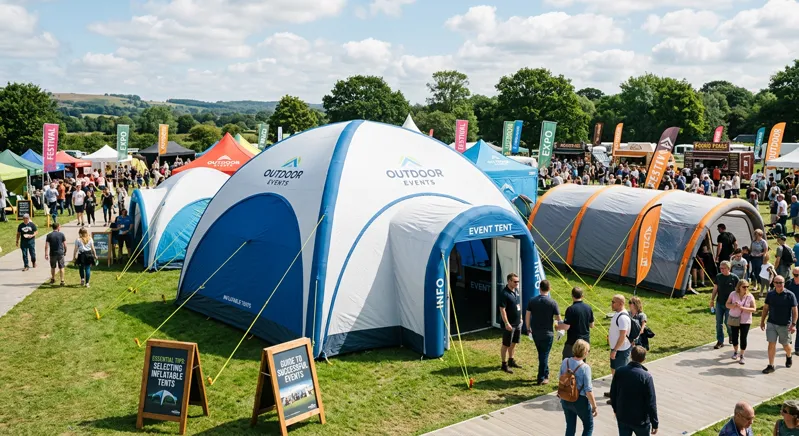
Balancing Size and Portability: What Works Best Outdoors?
The size of your outdoor tents inflatable impacts nearly every facet of event coordination. Larger tents often create a more impressive presence but require more time and manpower to set up. They also need more space, which might limit locations or add complexity if the site has uneven terrain. On the other hand, smaller tents are easier to move and can be inflated quickly, but they may not accommodate the entire team or all necessary equipment, reducing their functional utility.
Carrying and transporting inflatable tents must be factored into the decision as well. A 20×20 foot inflatable event tent might break down into several heavy bags, which could be cumbersome for distributors or rental companies. Meanwhile, more compact inflatable camping tents designed for individual use often fold down small enough to fit in everyday vehicles, opening opportunities for more spontaneous deployment but with fewer branding or functional perks.
Weather Resistance and Durability Concerns for Outdoor Use
No matter how alluring the design of outdoor tents inflatable, weather tolerance often defines real-world usability. Rain, wind, and sun exposure test the limits of inflatables. While many models claim water resistance, buyers should verify the seams and inflating chambers to ensure no seepage will occur during longer drizzles or heavy downpours. Wind is even trickier — a poorly anchored inflatable tent can become a hazard.
Durability also ties into how frequently the tent will be used. Rental companies distributing outdoor tents inflatable must prepare for wear and tear that goes beyond standard campsite use. Consistent inflation and deflation cycles, exposure to rough ground surfaces, and contact with sharp objects demand a tent with reinforced materials and replaceable parts. Event planners who overlook these durability factors risk costly downtime or even client dissatisfaction when damage affects the tent’s look or stability.
Customization vs. Standard Options: What Meets Your Needs?
Custom inflatable tents offer endless opportunities for creating a branded visual impact. Yet, they come at a higher price and longer lead times. Standard outdoor tents inflatable, on the other hand, are ready to rent or buy and can often be shipped much faster. This trade-off becomes crucial when event timelines are tight or budgets limited.
Consider how often you’ll need the tent and whether the investment in custom printing, shape, or accessories will pay off over time. Distributors and planners working with a wide range of clients may find standardized, modular inflatable tents more practical because they adapt to various events with minimal modification. Meanwhile, those specializing in signature activations or exclusive events may lean toward customized solutions, even if it requires additional storage and transport logistics.
Inflation Methods: Electric Pumps vs. Manual Options
How you inflate your outdoor tents inflatable can shape your entire event setup experience. Electric pumps provide speed and convenience but require reliable power sources, which aren’t always available on remote outdoor sites. Manual pumps add a physical element to the process and might slow down the schedule but offer independence from electricity and fewer mechanical issues.
The choice depends on the event type and the environment. An inflatable camping tent designed for hikers or outdoor enthusiasts often pairs well with foot pumps or handheld devices, giving users full control. Inflatable advertising tents used at festivals or expos usually benefit from electric pumps that can keep the tent fully pressurized throughout the day without continuous manual effort.
Storage and Maintenance Tips for Long-Term Use
Post-event care of outdoor tents inflatable greatly influences their usable lifespan. Properly drying the tent before storage prevents mold growth and material degradation. Many tents require a clean surface free from dirt or debris to avoid damaging the material during folding and packing.
When dealing with heavier or larger inflatable event tents, investing in protective covers and storage racks can prevent unnecessary abrasion or punctures. Regular inspections for small tears or valve leaks let you make quick repairs rather than waiting for costly replacements. For distributors, keeping detailed maintenance logs per tent might streamline inventory management and reduce downtime caused by unexpected damages.
Outdoor tents inflatable present plenty of advantages in terms of ease and aesthetic appeal, but the practical decisions behind the scenes—like sizing, material durability, inflation methods, and storage—really determine how well they fit your event demands. Understanding these real-world factors ensures you get the best balance of usability and impact.