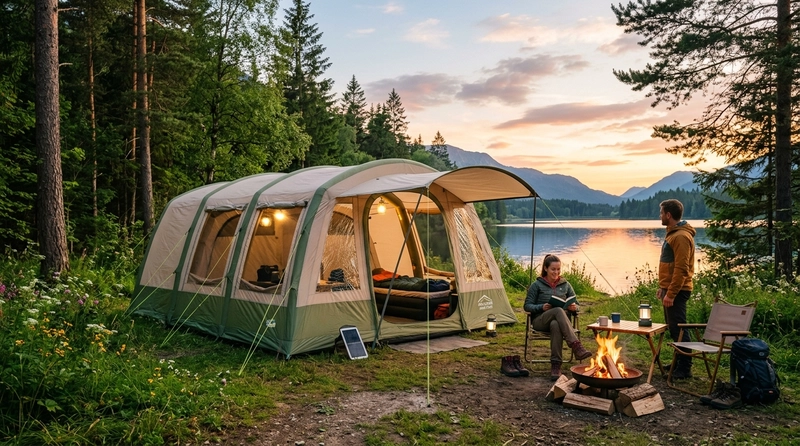
Outdoor Camping Inflatable Event Tents for Rest Areas
When planning rest zones at outdoor events, finding the right inflatable tent can make all the difference in guest comfort and event flow. Outdoor camping inflatable event tents for rest are popular choices because they combine quick setup with flexible shelter options. However, not every inflatable tent fits every scenario. For example, tents designed for camping may focus on weather resistance and ventilation, while event tents often prioritize branding space and easy access. Balancing these factors requires a good understanding of both your event’s needs and the tents’ capabilities.
Many buyers underestimate how size and layout can affect usability. A tent that’s too small can lead to cramped rest areas, discouraging people from taking a proper break, whereas oversized tents might be cumbersome, especially when space or transport logistics are tight. Considering the expected number of users and potential furniture or rest accessories is crucial. Think beyond just floor space—shade coverage, airflow, and even the tent’s interior height affect comfort during long downtimes outdoors.
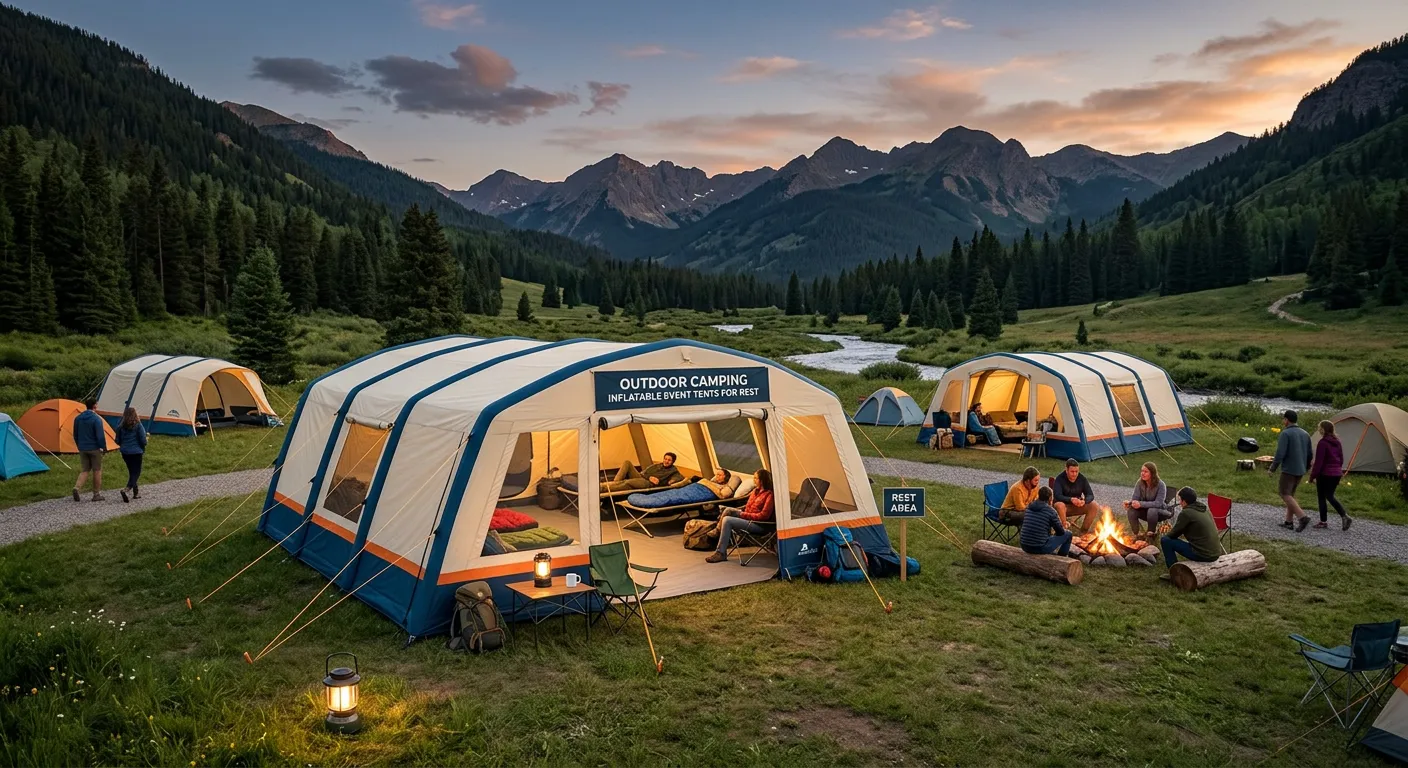
Durability and Weather Adaptability in Inflatable Rest Tents
One of the biggest concerns when using outdoor camping inflatable event tents for rest spaces is weather variability. Rain, wind, or intense sun will impact how well your rest area performs. Different materials and tent designs handle these elements to varying degrees. For rainy climates, tents with sealed seams and water-resistant coatings prove essential, but these features may add to the tent’s weight and setup complexity.
Wind resistance is another practical consideration. Lightweight inflatable tents can be vulnerable to gusts, especially if not anchored properly. The addition of internal air chambers and reinforced seams can improve structural integrity but might also increase inflation time. It’s wise to examine each model’s tested wind load ratings and anchoring systems before deciding. For hot environments, ventilation options—such as mesh walls or adjustable vents—play a significant role in keeping the tent interior comfortable without sacrificing shade or privacy.
Setting Up Inflatable Event Tents Efficiently for Rest Zones
Speed and ease of setup during event preparations matter more than many planners realize. Outdoor camping inflatable event tents for rest areas should offer straightforward inflation and disassembly, especially if they need to be moved or adjusted multiple times. Depending on the model, inflation can take anywhere from a few minutes to over half an hour, influenced by tent size, pump type, and ambient temperature.
Some tents come with built-in blowers that continuously maintain air pressure. While these keep the structure stable, they require a power source—which might not always be available in outdoor settings. Others rely on static inflation using high-capacity pumps. This method is more practical for rest areas where a constant airflow source is difficult to secure but might necessitate additional safety checks to prevent sagging or collapse over time.
The layout of the rest area also affects setup considerations. For example, tents with multiple entrances facilitate better foot traffic flow but may require additional stakes or weights to ensure stability. Planning how these tents integrate with other event elements like seating or refreshment stations is key to avoiding bottlenecks or overcrowding.
Balancing Branding and Comfort in Inflatable Rest Tents
Event organizers and distributors often want their outdoor camping inflatable event tents for rest areas to serve dual roles: offering shelter and reinforcing brand presence. While integrating logos and graphics helps with visibility, it sometimes clashes with user comfort if not thoughtfully executed. Large vinyl prints can reduce ventilation or affect the tent’s flexibility and weight.
Brightness and color choices, which are often marketing-driven, also impact how cool the tents remain under sunlight. Dark colors absorb heat while lighter tones reflect it, influencing interior temperatures. Transparent or mesh panels that add to the tent’s aesthetic appeal might inadvertently reduce privacy or shade, diminishing the tent’s function as a restful retreat.
It’s crucial to work with suppliers who can customize tents to balance these trade-offs. Some allow printing only on certain surfaces or use removable coverings to swap branding as needed while maintaining reliable shelter performance. This approach suits distributors who cater to diverse clients requiring different brand activations without replacing equipment each time.
Maintenance and Longevity of Camping Inflatable Event Tents Used for Rest
The lifespan and upkeep of outdoor camping inflatable event tents for rest depend heavily on material quality and handling practices. Frequent setup and breakdown cycles, exposure to sun, moisture, and rough surfaces can cause punctures, seam leaks, or fabric degradation over time.
Regular inspections for air retention and fabric integrity are necessary to spot issues early. Small repairs are often simpler with standard kits for patching punctures, but major leaks or structural damage might require professional servicing. Storage conditions also matter—prolonged exposure to damp or direct sunlight when not in use accelerates wear.
For distributors or event planners investing in multiple tents, creating a maintenance schedule prolongs usability and ensures that rest areas remain inviting. Including protective ground tarps during use helps shield the tent base from abrasive surfaces or moisture. Knowing which models have replaceable parts or upgrade options can influence purchasing decisions, especially when budgets focus on long-term usage rather than one-time events.
Transport and Storage Considerations for Inflatable Rest Tents
Inflatable event tents designed for outdoor camping rest areas pack down quite compactly compared to traditional frame tents but still demand mindful planning around transport and storage. The weight of materials, accessories like pumps, stakes, and repair kits all add up. Ensuring compatibility with transport vehicles and storage spaces prevents surprises at event sites.
Choosing tents with modular designs offers flexibility—smaller components can be moved in stages, reducing manpower requirements. However, modularity can also mean more pieces to keep track of, raising the likelihood of missing accessories or assembly mistakes, especially for teams unfamiliar with the products.
Proper packing methods avoid creasing or folding damage. For instance, rolling tents with the air chambers aligned can reduce stress on valves and seams. When storing long-term, sealing tents in breathable bags protects against pests and moisture buildup. These practical habits keep outdoor camping inflatable event tents for rest areas in reliable condition and ready to deploy.