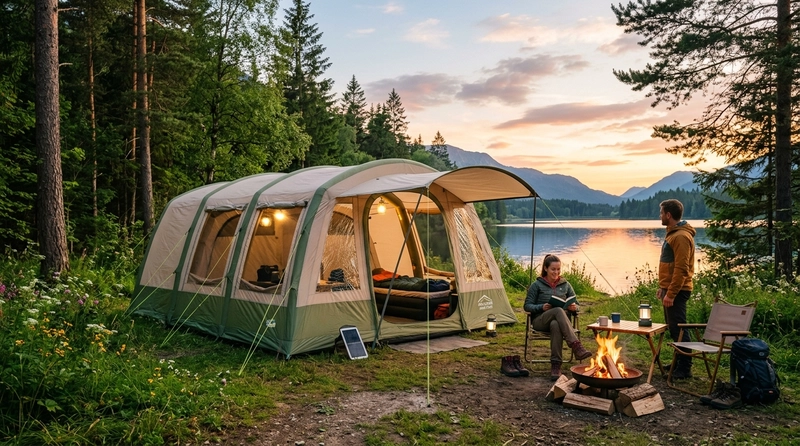
Balancing Size and Portability for Group Camping Trips
Choosing the right tent for a 5-6 person inflatable portable camping tent often boils down to balancing ample interior space with easy transport. Space inside needs to be generous enough to accommodate sleeping areas, gear, and a small common area, but a tent too bulky or heavy defeats the purpose of portability on hiking or car camping trips. Inflatable tents have the advantage of quick setup and minimal packsize compared to traditional pole tents in this size range, but it’s important to compare packed volume and weight carefully.
While oftentimes a model advertises room for 6 people, the reality is that comfort levels vary dramatically. You’ll want to think about whether you’re using camping mats or airbeds, and how much gear will be stored inside alongside occupants. Inflatable tents with multi-chamber air beams generally hold their shape better and allow a more vertical wall design, providing extra usable space, but they tend to add weight. This weight can influence whether your choice is practical for backpacking or strictly car camping.
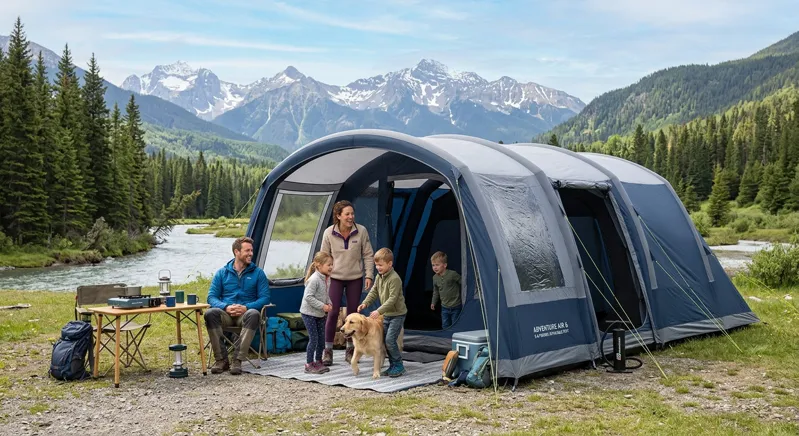
Setting Up Inflatable Tents Under Different Conditions
Inflatable tents dramatically cut down setup time, a major benefit when setting up camp after dark or in bad weather. However, air beam tents require a functioning pump and a power source—usually battery or manual—which can complicate quick setups in remote areas. Planning for power availability or carrying a manual inflation pump adds an extra consideration that traditional pole tents don’t involve.
The durability of the air beams under varying temperatures also plays a practical role. Colder conditions can cause the air pressure inside the beams to drop, requiring inflation adjustments throughout the trip. Conversely, heat exposure may increase pressure, and some tents feature pressure relief valves to avoid damage. It’s wise to inspect these details before committing to a particular inflatable design for repeated use in diverse environments.
Material Choices and Durability for Event and Camping Uses
Inflatable camping tents for groups should be evaluated not just on weight and setup but on material durability. Typically, these tents use polyester or nylon fabric with PU coatings for waterproofing. Double-coated fabrics add longevity but add weight, while lighter fabrics can be less robust against abrasions and UV exposure. Knowing the expected frequency and intensity of use will guide the right balance between weight and durability.
An important but sometimes overlooked point is repairability. Inflatable tents come with repair kits tailored to patch air beams quickly. However, the effectiveness of these patches depends on the air beam design—some are segmented or modular, allowing isolated repairs without deflating the entire tent. For professional renters or frequent users, this modularity reduces downtime significantly.
Managing Ventilation and Condensation in Larger Inflatable Models
A 5-6 person inflatable portable camping tent naturally has more enclosed volume, but this can lead to condensation buildup, especially on multi-day trips or in humid climates. Proper ventilation becomes vital to prevent damp gear and uncomfortable sleeping conditions. Look for tents with adjustable vents near the floor and ceiling, often integrated into the inflatable beams’ framework.
Windows and doors should have mesh screening to allow airflow without inviting insects inside. Some models offer removable rainfly sections or awnings that foster cross ventilation while protecting occupants from precipitation. The placement and number of vents require thoughtful consideration given the tent’s size: too few can make the interior clammy; too many may compromise waterproof integrity in heavy rain.
Weighing Cost Against Features for Professional Use
Professional buyers often run into the challenge of balancing upfront purchase cost with feature sets tailored to heavy or varied use. Inflatable tents with larger capacities and more robust tubes usually cost more, but they often come with warranties and improved user support. It’s essential to evaluate whether spending more upfront reduces total cost of ownership by minimizing repairs, replacements, or labor during event setups.
Distributors and event planners might also prioritize features that streamline logistics, such as integrated LED lighting attachments, modular internal dividers, or branding surface options. While not critical for personal camping, these options prove useful in professional contexts where time and customization impact customer satisfaction. Weigh each feature’s relevance against the typical deployment scenario rather than simply chasing all available add-ons.
Space Configuration and Flexibility Inside Inflatable Camping Tents
The internal layout of inflatable tents in the 5-6 person range frequently includes either a single large sleeping chamber or divided compartments. Dividers offer privacy but reduce flexibility in sleeping arrangements and may increase setup complexity, especially if connected by inflatable tubes needing inflation and securing.
Some tents come with gear lofts or external vestibules to store muddy shoes and equipment, keeping the sleeping area dry and organized. This is a crucial point for campsite tidiness and occupant comfort. Pay attention to zippers and seam construction on these areas, as they endure more wear and tear with frequent access. It’s better to invest in models with reinforced entry points and robust attachment systems for these versatile spaces.
Understanding the actual usable area inside, beyond the theoretical capacity rating, helps ensure everyone’s comfort on longer trips. It’s often worth conducting a mock layout on the floor to visualize how 5-6 people’s sleeping bags and gear will fit before finalizing the purchase.