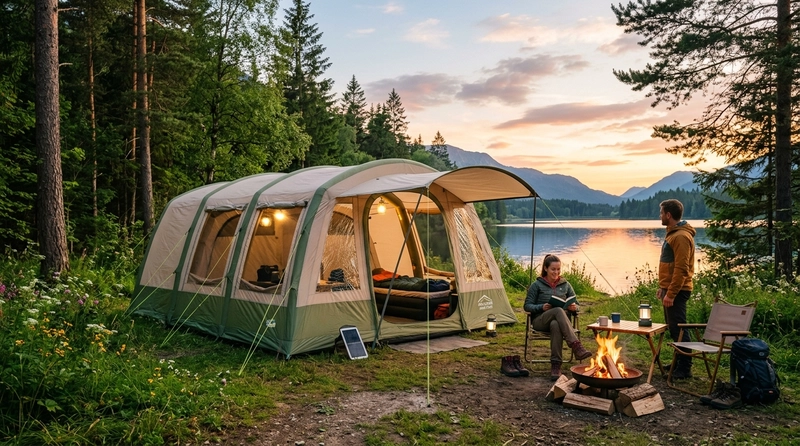
How to Choose the Right Inflatable Disco Tent for Your Event Space
Picking an inflatable disco tent may sound straightforward, but sizing and shape can be surprisingly tricky once you factor in the event location and expected foot traffic. While some tents are compact enough for tight urban venues, others offer sprawling space allowing for multiple DJ stations, seating, and dance areas.
Think about ceiling height and surface texture. Inflatable disco tents are mostly freestanding and don’t require permanent anchoring, but uneven or sloped surfaces can cause wobbliness or stress on the structure. Some types come with additional stabilizers, but if your site is a rocky surface or uneven pavement, those options become essential. Air circulation also matters. For events during warmer months, tents with integrated ventilation panels or mesh walls can prevent overheating inside the enclosed space.
The shape of the tent affects how versatile it feels. Round or dome styles create a cozy atmosphere but might restrict layout options for lighting rigs and sound equipment. Rectangular tents give ample usable floor space but often need more careful planning when it comes to airflow and people flow.
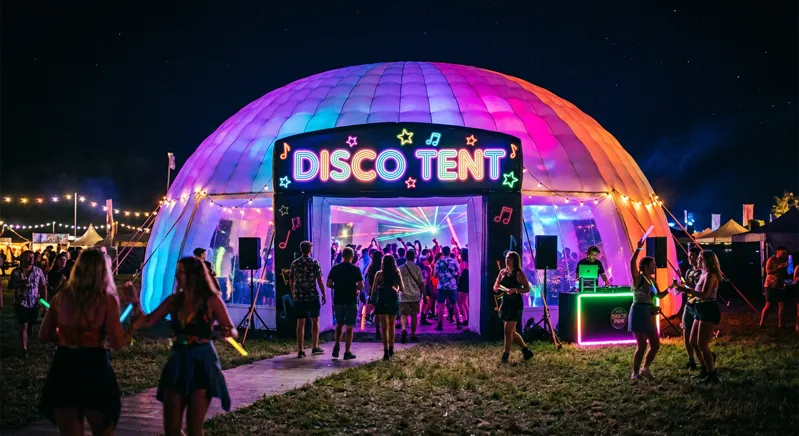
Balancing Portability and Durability in Inflatable Disco Tent Options
Carrying an inflatable disco tent around isn’t exactly a gym workout, but it still matters how heavy and bulky the package is. Event planners juggling multiple venues or distributors delivering to various clients often choose lighter models that pack down compactly and inflate quickly. Some inflatable tents can reach full setup in under 5 minutes with an efficient fan system, which is a big advantage for tight event timelines.
That said, super lightweight models sometimes sacrifice durability and weather resistance. The material coatings and weld quality can affect how resistant the tent is to punctures and UV damage. If your client’s booking calendar includes outdoor festivals or full-day events, it’s worth looking into tents with reinforced, double-layered PVC or TPU coatings.
Handling repairs in the field is another consideration. Many inflatable disco tent models support quick patch kits, but the ease of execution varies widely. Being familiar with the repair process of your stock or rental units can prevent surprises when a small hole pops up just before doors.
Managing Lighting and Sound Inside an Inflatable Disco Tent
One of the biggest attractions of an inflatable disco tent is how it creates an intimate, focused party environment. However, those same walls (and the fact that they’re inflatable) bring unique acoustic and lighting challenges that planners and buyers should consider upfront.
Sound reverberates differently in these tents compared to hard-walled venues. Inflatable surfaces tend to absorb some sound, which can be good for reducing echo but might make the music feel less punchy. A little extra power in your audio system or supplemental speakers might be necessary to fill the space evenly.
Lighting setups also need adapting. Blackout or dark-colored inflatable disco tents enhance light effects and LEDs dramatically, but the translucent fabrics can wash out lighting colors if the tent is light-colored or if there’s ambient daylight coming through mesh panels. Planning your light rig to include more directed or focused fixtures often produces better visual impact inside these flexible spaces.
Ceiling height limits also dictate what hanging lighting or decor is possible. For a tent that allows suspending disco balls or hanging decor, check the recommended weight limits and attachment points. Overloading the inflatable structure can cause distortions or leaks.
Weather Considerations: How Inflatable Disco Tents Hold Up Outside
Outdoor events put inflatable disco tents to the test in several ways, and it’s important to tailor your choice based on expected weather conditions. Wind, rain, and temperature swings all affect setup and ongoing performance.
Strong winds are a leading cause of inflatable tent mishaps. Even if the tent has anchoring points, gusts can cause significant movement or stress the seams. As an experienced supplier, I always advise planning for wind ratings and encouraging clients not to take risks with rental or event cancellations if wind speeds exceed safe operational limits.
Rain is less of a problem if the tent comes equipped with sealed seams and waterproof materials. However, water drainage around the tent (especially at entry points) can create muddy or slippery conditions, affecting guests and equipment. Elevating flooring or using mats at entrances can help mitigate muddy landings for dancers.
Temperature extremes impact the internal environment and material flexibility. In cold situations, materials can stiffen and become more brittle, increasing puncture risk. Some versions of inflatable disco tents come with integrated heaters or allow for safe use of small heating units, while in hot weather, as noted before, ventilation design becomes a priority to avoid overheating.
Storage, Maintenance, and Longevity for Inflatable Disco Tents
How you care for and store an inflatable disco tent has a direct impact on its useful life. Proper maintenance isn’t glamorous, but it greatly reduces replacement frequency and emergency repairs.
I recommend thorough cleaning after every use, especially removing dirt, sticky residues from drinks or food, and any sharp debris caught during the event. Air dry fully before packing away to prevent mold or mildew buildup.
Storage environment matters a lot. Folding and packing the tent too tightly for long-term storage can damage seams or create permanent creases. Ideally, keep the tent in a climate-controlled area, away from sharp objects, rodents, and excessive heat or humidity.
Take the time to perform regular inspections focusing on valves, zipper integrity, and weld seams. Small tears and leaks often start as faint stress marks but can quickly escalate during inflation if not caught.
The number of inflation cycles is also an overlooked factor. While these tents are designed for multiple setups, frequent use naturally wears on the material and inflation system components like fans and valves. Setting up a routine schedule for inspection and part replacement when you distribute or rent out units helps maintain consistent safety and function.
Matching Client Needs with Inflatable Disco Tent Features
Clients often ask for both a “wow factor” and practical utility from an inflatable disco tent. Understanding what your buyers and planners prioritize helps you guide them more effectively.
Some want maximum capacity and an open dance floor. Others prioritize quick assembly for pop-up gigs or festivals. Then there are those who want customization—logo printing, LED integration, or modular extensions to link multiple tents.
Versatility versus specialization is a real trade-off. More specialized, custom-branded tents tend to have longer lead times and higher initial costs, but they bring a strong visual impact. General-purpose tents offer more freedom of scheduling and fewer logistical headaches, which matter for clients operating at scale.
Distributors in particular need to evaluate which tents have the best warranty coverage, repair network, and accessory availability. Those factors often weigh more in recurring rental or resale value than flashiness.
Each event is different, but taking these practical, experience-based considerations into account helps ensure that the inflatable disco tent you choose delivers both on atmosphere and reliable performance.