Choosing Size and Layout for Your Inflatable Family Camping Tent
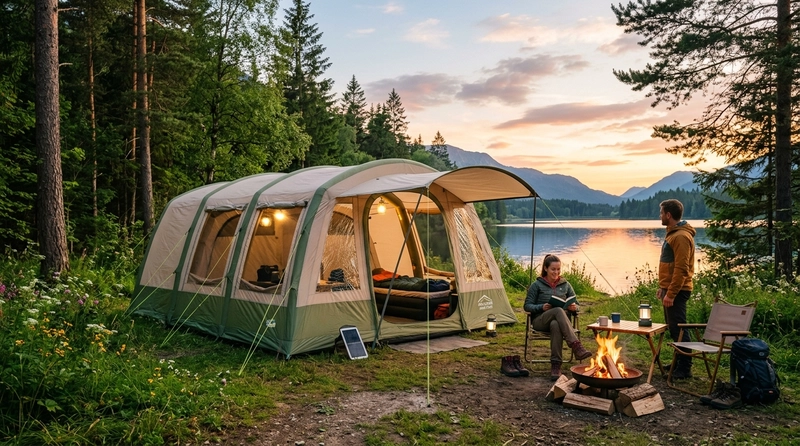
One of the first challenges event planners and distributors face with inflatable family camping tents is picking the right size and layout to suit different client needs. These tents come in various configurations—from simple dome-shaped models for small families to multiple-room setups for larger groups. While a bigger tent offers more space and comfort, it also means greater weight, more packing volume, and often higher costs.
Consider how the tent will be used. For weekend backyard events, a compact inflatable tent might be sufficient and easier to handle. For multi-day outdoor festivals or family camping trips, rooms separated by inflatable dividers add privacy but can complicate setup and packing. Event professionals must balance ease of transport and storage with comfort and functionality.
Inflatable tents usually inflate via electric pumps, which require power sources or batteries. Larger tents naturally need more time and energy to set up, so this affects the practicality of certain sizes on short notice. When supplying these options, it’s helpful to advise clients on what fits their event schedule and logistical capacity.
Balancing Weather Resistance and Ventilation
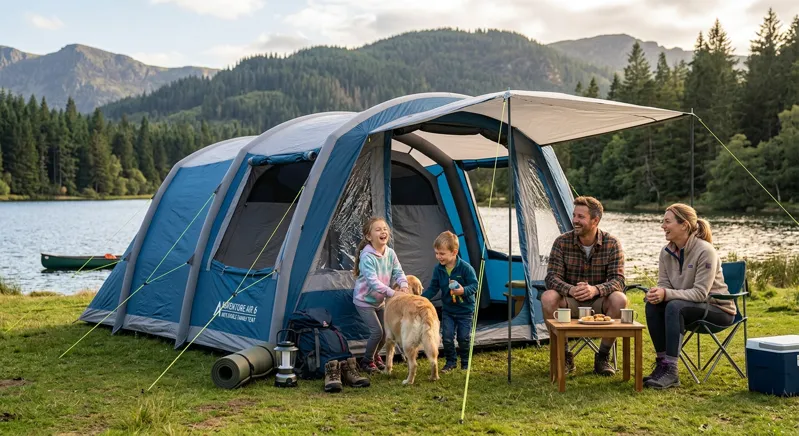
Clients often ask how well inflatable family camping tents hold up in adverse weather. Weather resistance is crucial but tricky—these tents are typically made from durable, waterproof materials, yet their design demands good airflow to prevent condensation inside. This creates a balancing act between keeping rain and wind out while maintaining ventilation.
The inflatable beams that support the tent’s structure don’t always lend themselves to additional ventilation features, unlike traditional pole tents. Small vents or mesh windows help but must be positioned carefully to avoid rain penetration. Event planners should be made aware that while these tents provide good shelter from moderate weather, they aren’t usually the best choice for extreme conditions.
Avoid recommending inflatable tents for events in heavy wind zones or long-term outdoor setups without sheltered locations. Instead, suggest a site assessment and proper anchoring strategies. Customers appreciate honest advice about when these tents are practical and when sturdier traditional tents are necessary.
Transportation and Setup Considerations
Transporting an inflatable family camping tent can be a logistical puzzle. Unlike classic tents with poles and stakes, these tents rely on complex air beams that require specialized pumps and occasionally replacement parts. It’s not just about packing the tent itself but making sure you have the right equipment and enough power supply.
Setup times tend to be shorter once users are familiar with the process, but the first few attempts can take longer. Demonstrating the setup briefly for clients or providing quick-reference guides can improve user confidence and prevent frustrations onsite.
Keep in mind the weight distribution of the packed tent and pump. For distributors shipping to remote event locations, this impacts freight options and handling. An inflatable family camping tent that arrives damaged or missing pump attachments will cause delays and dissatisfaction.
Regular maintenance is important, too—pumps need upkeep like any mechanical tool, and the tent fabric should be inspected between uses for any weak seams or small leaks. Providing clients with realistic setup and maintenance expectations avoids surprises during event day.
Material Durability Over Frequent Use
From an equipment supplier’s standpoint, the longevity of inflatable family camping tents is never just about the initial purchase price. Materials and construction quality determine how well a tent will stand up to repeated inflation, packing, and exposure to the elements.
Most inflatable tents use reinforced polyester or nylon fabrics, which are abrasion-resistant and waterproof but can suffer damage from sharp objects or careless handling. Edges and connection points, where the inflatable beams attach to the fabric, are particularly vulnerable spots. Reinforced stitching and seam tape improve durability but add weight and cost.
When supplying these tents, highlight to customers the importance of proper storage and careful folding. Frequently packing the tent with dirt or grit inside accelerates wear. For clients renting tents repeatedly or using them in rugged environments, offering repair kits or replacement parts is a valuable service.
While not designed for extreme roughness, a well-maintained inflatable tent can last through multiple event seasons—sometimes outperforming traditional pole tents that can suffer from bent or broken poles.
Customization and Branding Opportunities
Many businesses sourcing inflatable family camping tents want to add custom logos, colors, or messaging to boost brand visibility during events. This is where promotional equipment suppliers can add real value by guiding clients on feasible customization options.
Printing directly on the tent fabric is common but limited by the tent material and surface area. Bold, simple graphics generally work best, as fine details may blur or fade quickly due to outdoor exposure. Inflatable beams can sometimes carry branding but require specific production runs.
Keep in mind that frequent packing and exposure to weather conditions can wear printed graphics faster than on rigid materials. Clients expecting long-term usage should consider removable banners or flags to complement tent branding while preserving the tent surface.
When advising buyers, suggest evaluating the trade-offs between upfront custom printing costs and flexibility for future events. Sometimes, supplying neutral tents with accessory options for branding proves more practical for event planners managing varied clients.
Choosing the right inflatable family camping tent involves balancing practical issues—comfort, weather protection, transport, durability, and branding potential. Experienced equipment suppliers who share these insights help clients make informed purchases that lessen surprises and maximize event success.