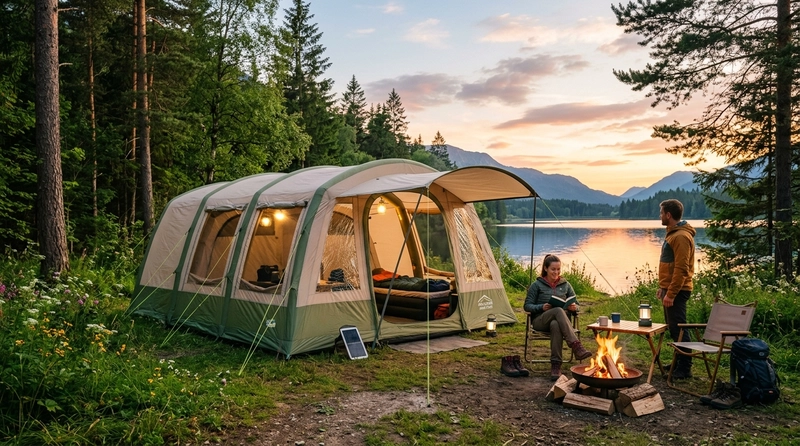
Inflatable Tent for Camping Trips
Picking the right tents camping outdoor inflatable tent for your events or retail distribution is a balance between convenience, durability, and setup speed. Inflatable tents have streamlined the process of setting up shelters outdoors, but not all models are created equal. The most significant advantage is that these tents often require no poles, relying on air pressure to maintain structure. This quick setup can reduce labor costs and speed up the turnaround at events.
However, it’s critical to consider the conditions the tent will face. Inflatable tents can be vulnerable to sharp objects, so the material’s puncture resistance and repair provisions should be evaluated closely. For buyers planning outdoor use, wind resistance ratings and anchoring options are just as vital—they make all the difference when conditions get challenging. The ideal choice balances lightweight materials for easy transportation with enough stiffness to hold against gusts.
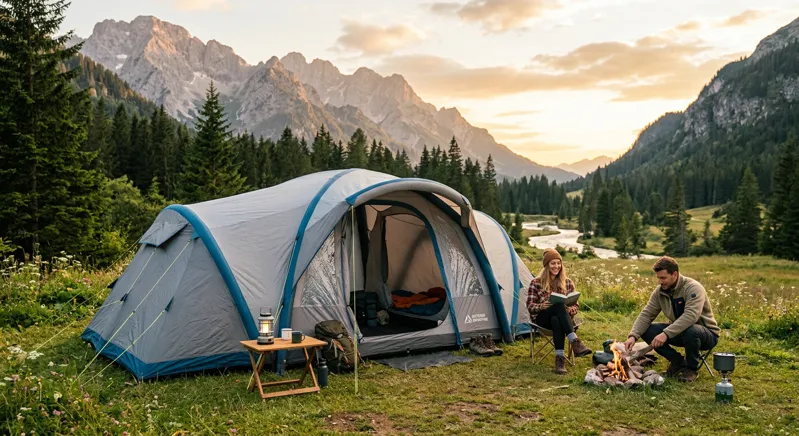
Managing Space and Size Requirements for Different Event Types
Sizing tents for events or camping varies widely depending on purpose and attendee count. Large-scale festivals or corporate events might need structures that cover hundreds of square meters, while smaller promotional activations can work with compact tents easy to transport and set up alone. Inflatable tents come in many sizes, but the footprint is not all that matters.
Look at internal height clearance for exhibiting or camping comfortably. Some designs prioritize low profiles to reduce wind drag, impacting headroom. Others maximize usable vertical space but may weigh more or take more inflation time. Trade-offs here affect how the tent fits into event layouts and user experience. Modular inflatable tents offer flexibility by combining multiple units. These options are worth considering if your client or end-user needs adaptability across different event types.
Transport and Storage Considerations for Inflatable Tents
Storage space and transport logistics often get overlooked until they’re urgent problems. Inflatable tents vary quite a bit in packed volume and weight depending on size, fabric, and included accessories like electric inflators or repair kits. Buyers planning to distribute or repeatedly deploy need to get familiar with these factors early.
Inflatable tents’ compact packing is usually a big bonus compared to traditional pole tents, but that advantage narrows with larger, heavy-duty models. Transporting them might require specific vehicle sizes or careful packing to avoid material stress during loading. Storing tents in cool, dry conditions prevents mold and fabric degradation, preserving investment longevity. Inflator equipment should also be stored efficiently but remain readily accessible so setup isn’t delayed.
Reliability and Maintenance in Outdoor Settings
Durability and maintenance level are huge when choosing tents camping outdoor inflatable tent for repeated outdoor use. Unlike rigid frame tents, inflatable options depend on airtight sections to stay erect, so leaks or valve failures can be disastrous. Checking tent valves and hiking gear-like fabric coatings is part of pre-event routine. Self-sealing valves and multi-layered materials reduce risk but never entirely remove it.
Regular inspections of seams, zippers, and anchoring points prevent surprises on set. When a leak does occur, rapid repairs with supplied kits usually suffice, but some damage might require professional patching. Consider the cost and availability of these repairs if supplying equipment for event pros or resellers. It’s also common to face issues with electric inflators failing or power incompatibilities on site—backup manual pumps and voltage adapters are wise.
Balancing Aesthetics and Practicality for Brand Presence
In promotional events, tents do more than just provide shelter—they act as brand showcases. Inflatable tents that stand out visually offer unique branding surfaces that rigid tents lack, such as fully inflatable logos or 3D shapes. While eye-catching, these custom features raise cost, production time, and handling complexity.
Events with aggressive weather conditions may call for more straightforward, durable shapes to avoid tearing or setup hassle. For buyers handling client expectations, it’s important to communicate this balance. Inflatable tents allow for large digital print surfaces, but fabric choice, print type, and repeated folding can affect final appearance over time. Regular cleaning and careful packing ensure the branded elements stay vibrant.
Planning For Variable Weather Conditions
No outdoor operation is completely predictable, making weather adaptability a top concern. Inflatable tents often perform well in light rain due to sealed fabric coated with waterproof treatments. However, the entire structure’s resilience depends on anchoring and weight distribution. Buyers should confirm if wind speeds beyond a certain threshold require additional anchoring or if the tent design includes wind vents.
In snow or freezing temperature scenarios, inflatable tents can stiffen or suffer material damage. Layered inner tents or insulation might be necessary for camping applications or winter events. Ventilation also needs attention to avoid condensation build-up inside the tent, which reduces comfort and increases fabric wear. Reliable suppliers will provide tested specs for different conditions—evaluating these is essential rather than relying solely on manufacturer claims.
Selecting tents camping outdoor inflatable tent products is always a matter of understanding practical demands over aesthetics or convenience alone. Each factor from sizing, transport, maintenance, to weather tolerance carries trade-offs that influence usability and durability. Professional buyers and event planners benefit from firsthand experience with different models and solid supplier support to navigate the many choices effectively.