Planning Events on the Water: Choosing the Right Inflatable Floating Tent
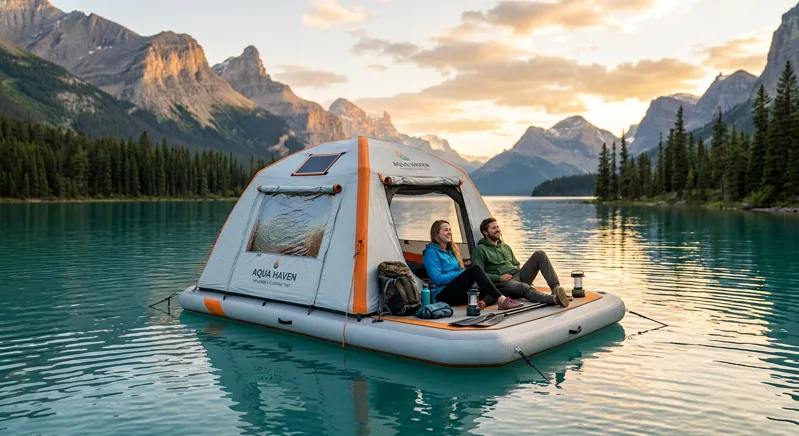
When organizing a waterfront event, securing reliable shelter that adapts to water environments is a tricky balance. Inflatable floating tents offer a unique solution, but not every model fits all scenarios. Understanding weight capacity and anchoring options is critical. Most inflatable floating tents provide buoyancy adequate for a limited number of guests and equipment—overloading can jeopardize stability and safety. You’ll want to confirm the tent’s maximum supported weight and consider how evenly that weight can be distributed.
Anchoring is another practical challenge. Water currents, wind, and waves demand secure mooring. Some tents rely on simple rope anchors, while others include more sophisticated weighted systems or even integrated docking features. If your event site experiences fluctuating water levels, anchoring methods must accommodate this to prevent drifting or damaging the tent.
Handling Setup and Breakdown in Water Settings
Setting up an inflatable floating tent differs significantly from land-based models. On water, there’s less room for error: inflating too much or too little affects stability, while anchoring points are limited. You’ll also need to consider how many team members will assist with the setup and what gear they’ll need on-hand.
A good rule of thumb is to test the inflation process off-site to understand the time and equipment needed. Pumps should be waterproof or at least splash-resistant, and backup power options may be necessary if the site lacks electricity. Also, plan your setup sequence: inflating the structure securely, followed by anchoring, then interior arrangements. Disassembly should prioritize safety and water cleanliness—avoid letting any debris enter the water during breakdown.
Space Utilization and Interior Features: What Works Best?
Space inside an inflatable floating tent tends to be more limited than traditional tents, so it’s important to maximize every square foot. Walls are usually made of flexible material; while they might offer weather protection, they rarely provide insulation or noise reduction. This means your event’s comfort relies heavily on controlled ventilation and clever layout.
Consider multi-purpose furnishings and modular seating to shift configurations as needed. Transparent or mesh windows can increase visibility and natural light, making smaller spaces feel more open while also allowing guests to enjoy the water views. Be cautious about attaching anything heavy or rigid inside the tent walls, as this may stress the structure under water movement.
Weather Resilience: Don’t Assume It’s Foolproof
Water environments are unpredictable, so relying on an inflatable floating tent for weather protection demands realistic expectations. While these tents often resist rain and light wind, strong gusts or storms can cause tears or destabilize the unit quickly. Many inflatable floating tents are designed for calm conditions and may not withstand extended exposure to harsh weather.
Checking the tent’s materials, seam strength, and wind ratings before committing is important. Also, since the tent floats on water, it’s vulnerable to rocking and shifting—heavy rain and wind can amplify motion, impacting guest comfort and safety. Having a contingency plan for rapid evacuation or shifting to a land-based alternative is prudent, especially for critical events or in regions prone to volatile weather.
Transportation and Storage Considerations
Transporting inflatable floating tents to your event site may seem straightforward: deflate, pack, and go. However, size and weight of the packed tent can challenge logistics, especially for remote or water-access-only locations. Some tents can fold compactly, but many still require significant space in a van or truck.
Storage after use is another factor often overlooked. These tents need to be cleaned thoroughly to remove water, algae, and dirt that can degrade the material over time. Ensure your storage area is dry and climate-controlled if possible, to prolong fabric life. Frequent use in saltwater environments demands extra rinsing and maintenance to prevent corrosion of metal parts and material brittleness.
Coordinating Multiple Units: When Larger Events Demand More
For larger gatherings, a single inflatable floating tent often won’t provide sufficient space. Coordinating multiple units opens options for creating interconnected layouts or separated activity zones on water. The challenge is maintaining stability and safe circulation between tents. Connecting floating tents usually requires specialized connectors or floating walkways, which add complexity to setup.
You’ll also need to carefully plan for emergency access and evacuation routes on water. Spacing between units, mooring systems, and how guests move from one tent to another must be clear and secure. The balance between practical functionality and guest experience can be difficult, requiring detailed advance planning and sometimes compromises on tent placement or event programming.
Buying and deploying an inflatable floating tent involves more than just picking a model with the fanciest features. Understanding the detailed trade-offs around weight limits, setup logistics, weather limitations, and multi-unit coordination leads to smoother, safer events on the water. Practical knowledge from hands-on experience will steer you clear of common pitfalls and ensure your aquatic event is as enjoyable and reliable as possible.