Choosing Inflatable Event Furniture for Temporary Setups
When you’re organizing an event that only lasts a day or two, the practicality of the furniture you use can make or break the setup. Inflatable event furniture stands out because it’s lightweight, easy to transport, and quick to set up. However, keep in mind that it won’t always match the stability and durability of traditional seating options. We’ve seen planners appreciate the speed of inflatables for pop-up activations or trade shows where a sleek setup is needed without investing hours in construction.
One challenge is managing the power source. Inflatable furniture depends on continuous airflow from small pumps, so you’ll want to factor in access to electricity or have backup batteries on hand during outdoor events. There are models designed for battery operation, but their runtime can be limited. Also, make sure to plan space for the inflating equipment itself; some clients underestimate the footprint of pumps and cords.
Cleaning is easier than with fabric upholstery, but these pieces can be vulnerable to punctures if placed on rough surfaces or near sharp objects. Carrying a repair kit is always a prudent move. Many event planners prefer to use inflatable couches or stools as lounge furniture where the risk of damage is lower, rather than in busy dining areas or crowded dance floors. You’ll find the experience for guests is more casual and relaxed, which might be just what the event needs.
Balancing Aesthetics with Practicality
Inflatable event furniture offers plenty of creative freedom, but there are trade-offs when aiming for a polished look. Their shiny, sometimes plastic appearance often lends itself more to contemporary, playful, or informal settings rather than classic elegance. If your client’s brand or event theme demands a sophisticated vibe, you may need to augment inflatables with textiles, covers, or complementary design elements.
Colors and shapes are where inflatable furniture shines; glowing under blacklight or striped with digital prints, these pieces can boost brand visibility in a way traditional furniture struggles with. You can quickly customize items with logos or unique patterns printed directly onto the surfaces. This is popular with distributors who want to provide promotional items that double as functional furnishings.
Be aware that inflatable furniture generally doesn’t bear the same weight or intensive use as solid builds. If your event expects a continuous flow of guests, it’s smart to rotate pieces or combine inflatables with sturdier seating options. Guests might experience some give or bounce in the furniture, which can be enjoyable or off-putting depending on the context.
Choosing the Right Inflatable Furniture Types for Different Events
Inflatable armchairs, ottomans, and sofas are common choices, but you might also encounter inflatable tables and bars. Each serves distinct purposes, which means your buying decisions have to align with event needs. For instance, if attendees will be eating or working with laptops, tables need to stay firm under pressure. Many inflatable tables are more about aesthetic appeal than heavy function.
For corporate events, semi-formal lounges with more structured inflatable furniture can add a stylish edge without committing to heavy rental pieces. Festivals and experiential marketing campaigns often go for fun shapes like bean bags or inflatable cubes that encourage social interaction. Weddings and gala events sometimes use strategic combos, like inflatable ottomans paired with traditional chairs, to provide comfortable breaks in long seating arrangements.
Distributors should note that the packaging size and inflation time differ significantly between furniture types. Sofas and larger beds need bigger pumps and more inflation time, which impacts logistics and storage. Smaller stools and poufs are often easier to pack and quicker to ready but may not serve as primary seating. Your choice will come down to the flow of the event and how furniture will be used over time.
| Key | Product Model |
|---|---|
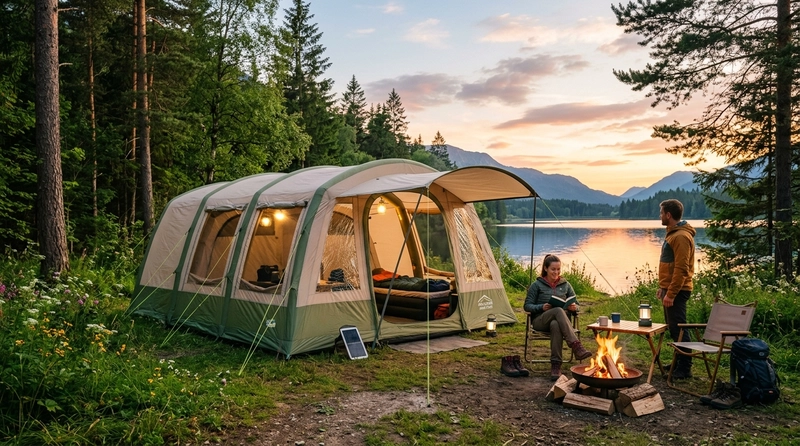
| 6942 | car camping tent |
Handling Weather and Outdoor Considerations
Anyone planning outdoor events with inflatable event furniture knows weather quickly becomes a dominant concern. These pieces are designed to handle wind better than you’d think, but strong gusts can destabilize lightweight inflatables, especially if not securely anchored. If you’re using inflatable furniture outdoors, look for models with attachment points or compatible weighted bases.
Rain is another challenge. Many inflatables are water-resistant but not fully waterproof. Prolonged exposure to moisture risks weakening seams or damaging the blower motors. If bad weather is a possibility, you’ll want to have tarps or covers on standby and avoid placing furniture directly on damp ground.
Temperature extremes also affect the material. Hot surfaces and direct sun can cause plastic to degrade faster or lead to surface warping. In colder temps, the material can become stiff and less flexible. Event planners who regularly work outdoors often select inflatables with UV protection added or treat surfaces post-purchase with protective sprays.
Lastly, consider safety: wet inflatable surfaces become slippery, which might be a liability in crowded areas. Choosing matte-finish inflatables rather than high-gloss versions can help reduce slips. Arranging furniture under tents or shaded areas reduces weather risks significantly.
Logistics: Storage, Transport, and Setup Challenges
Inflatable event furniture compresses down to a small size for storage, but it’s important to understand the full logistics cycle. Although these items are lighter than traditional furniture, the associated pumps and maintenance kits add extra components to manage. For high-volume distributors or rental businesses, keeping an organized inventory of inflatables requires dedicated shelving and clear labelling.
During setup, the speed is an advantage, but it demands personnel who understand inflation times and pressure adjustments. Overinflation leads to stress on seams and potential leaks, while underinflation causes sagging and an unprofessional appearance. Training your team on these nuances will save time and equipment damage during busy events.
Damage repair also factors into your planning. Small punctures can often be patched quickly on-site, but repeated repairs degrade both function and appearance. Rotate your inflatables regularly and retire items that no longer hold air properly.
Transport tends to be straightforward—most inflatables fold neatly and fit into standard shipping boxes or vehicle trunks. However, care must be taken to avoid rough handling. Sometimes, inflatables are shipped pre-inflated to clients for immediate event use, but this requires expert packaging and handling to prevent damage.
Selecting the right inflatable event furniture means balancing convenience, resilience, and overall fit for your client’s event goals. Understanding these practical aspects will help make sure you deliver the most effective solutions without surprises on the day of the event.