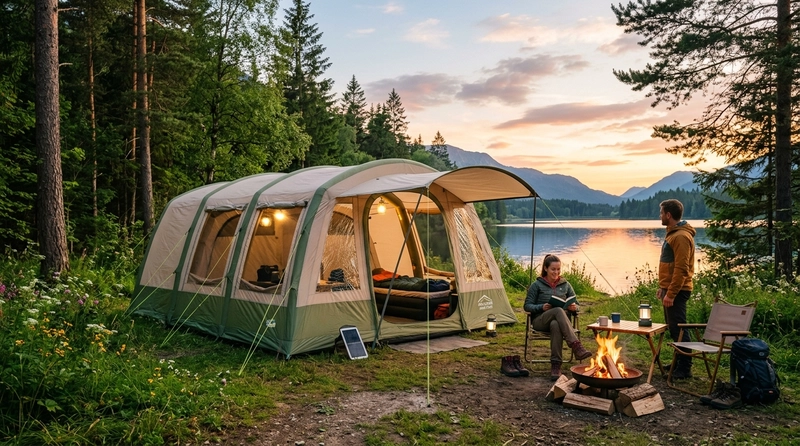
Rooftop Car Tent for Varied Terrains
When selecting a rooftop car tent, the type of terrain you’ll encounter most often should weigh heavily on your decision. Different terrains challenge tents in distinct ways—rocky landscapes, dense forests, sandy beaches, or muddy fields can affect setup, stability, and comfort.
For example, if your events or adventures mostly take place in dusty or sandy locations, tents with tightly woven, sand-resistant fabrics and sealed seams will perform better. They prevent grit from infiltrating your setup and gear. In contrast, uneven or rocky ground demands rooftop tents with robust ladder support and adjustable mounting brackets to keep the sleeping platform stable, even when your vehicle isn’t perfectly level.
Keep in mind weight capacity too. Heavier tents with more padding and amenities might feel like a luxury but add stress to your vehicle roof rack, especially on rugged terrains where the vehicle experiences more jostling. Make sure your rooftop car tent doesn’t exceed the vehicle’s loading limits, or you risk damage to the car or tent, diminished fuel economy, and, potentially, safety hazards. The balance comes down to durability and portability relevant to your typical event locations.
Balancing Size and Vehicle Compatibility
The size of a rooftop car tent can be a tricky decision. Larger tents offer extra space for relaxation or gear storage, an undeniable advantage during multi-day events or client site visits where downtime is valuable. However, size impacts more than just comfort.
Heavier and bulkier tents demand more from your vehicle’s roof rack system and usually require a bigger vehicle with a strong suspension, such as SUVs or trucks. Compact cars may handle smaller rooftop tents carefully, but they have less margin for error when it comes to weight limits. Additionally, consider the tent dimensions when collapsed; it needs to fit safely on your vehicle without interfering with driving visibility or aerodynamics.
One overlooked point is vehicle compatibility with the tent’s mounting system. Not all rooftop car tents come with mounts that fit every crossbar or roof rack design. This can complicate installation and lead to extra expenses if adapters or new mounting hardware are needed. Checking the roof rack crossbar compatibility specs can prevent surprises on delivery day.
Setting Up Rooftop Tents in Tight or Urban Event Spaces
Not every event takes place off-road or in wide-open areas. When your site is an urban rooftop, a parking lot, or a cramped festival ground, setting up a rooftop car tent presents different challenges.
Space is usually limited, so how the tent folds and unfolds matters a lot. Some models deploy with a simple pop-up mechanism and minimal steps, while others involve multiple attachments or tensioning. Choose a design that fits your team’s skill level and time constraints.
Urban settings may also impose restrictions about noise, lighting, and positioning. Rooftop tents can be surprisingly tall once extended, affecting clearances under low structures like awnings or tree branches. You’ll want to avoid blocking fire exits or creating hazards in crowded lots. The need for quick removal or repositioning favors tents that are lighter and easier to dismantle compared to heavy-duty expedition models.
For events requiring frequent packing and moving, the durability of zippers, fabric, and attachment points must be balanced against ease of use. It’s usually worth sacrificing some rugged outdoor features for smooth urban setup.
Considering Weather Resistance Beyond the Basics
Many rooftop car tents boast waterproof fabrics and sturdy frames, but the real-world difference lies in how they perform under sustained, challenging weather conditions.
Wind resistance is often undervalued. A rooftop tent secured on a vehicle is more exposed to gusts than ground tents. If your events take place in windy areas or during transitional seasons, focus on tent designs with reinforced guy lines and aerodynamic profiles. The tent’s ability to drain rainwater efficiently, preventing pooling, also matters. Flat or poorly angled roofs can trap moisture leading to faster wear or leaks.
Ventilation is equally crucial to avoid condensation inside the tent. Some tents include adjustable vents, mesh windows, or breathable fabrics that balance airflow with protection from insects and rain—a must for overnight stays in humid climates.
Temperature control features don’t always come standard but can be a real difference-maker. Look for tents that accommodate optional insulation liners or can be paired with portable heaters or fans. This ensures your team or clients aren’t uncomfortable, limiting disruptions during site visits or events.
| Code | Product Model |
|---|---|
| 585 | advertising inflatable tent |
Maintenance Considerations for Long-Term Use
Rooftop car tents are an investment that thrives with proper maintenance. Planning for upkeep right after purchase saves headaches down the line.
Cleaning the fabric regularly prevents dirt buildup and inhibits mold growth, especially if the tent isn’t fully dry before packing. Store the tent in a breathable bag to avoid trapping moisture during offseason storage.
Check all attachments and zippers after every use. Even small wear on critical points like ladder joints and mounting brackets can escalate into safety concerns or failure during setup. Having spare parts or a trusted repair service handy is wise, especially for distributors supplying rental fleets or event planners continually deploying equipment.
One maintenance aspect that’s frequently overlooked is the effect of UV exposure over time. Prolonged sunlight can weaken fabrics and colors, so keeping the tent covered when parked or investing in UV-protectant treatments can extend life considerably.
Managing Transport and Storage Challenges
Transporting rooftop car tents can be cumbersome, especially when moving multiple units or handling tight schedules. The tents add bulk to your vehicle, affecting fuel consumption and increasing drag on highways.
Consider how quickly the tents can be mounted and dismounted, since stories abound of teams taking upwards of an hour because of unfamiliarity or complicated hardware. Training your crew on efficient installation techniques, plus using standardized roof racks suitable for all units, can save time and reduce risk.
Storage space is also a critical factor. When not in use, tents should be stored in dry, temperature-controlled environments to prevent mildew and fabric damage. Some designs collapse into slimmer profiles, making storage easier, but larger expedition-style models often require dedicated shelving or storage rooms.
Balancing these transport and storage logistics against the benefits of rooftop car tents can shape your equipment strategy, especially when coordinating large-scale or multi-location events.
—
Navigating these practical considerations ensures your rooftop car tent serves its purpose effectively without turning into a logistical or maintenance headache. Real-world experience shows the smartest choices align closely with how and where you’ll use the tent, rather than the flashiest features alone.