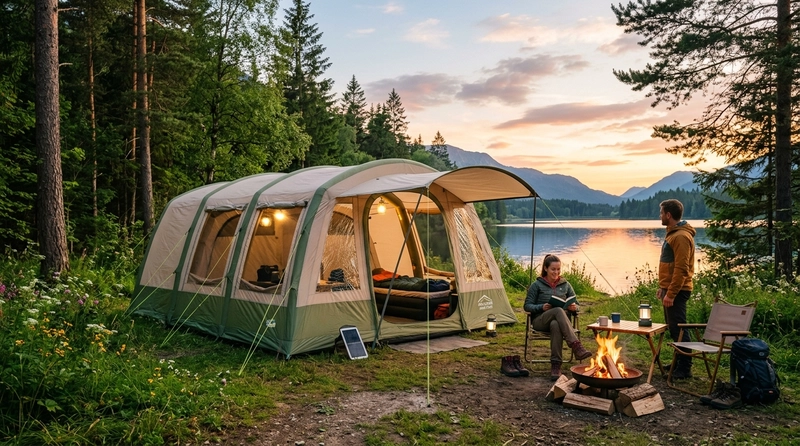
Above Car Tent for Varied Event Needs
Working with above car tents means balancing flexibility with protection. You might think any mobile shelter will do, but the variations in size, frame strength, and fabric quality can significantly impact how well the tent performs across different event scenarios.
If your event requires frequent setup and takedown, a lightweight frame is essential. Aluminum or steel frames each have their pros and cons—aluminum tends to be lighter, making transport easier, but steel frames generally handle heavier winds and rain better. The size also matters. A generous canopy that extends beyond the vehicle offers more shelter space for equipment or spectators but adds weight and bulk.
Above car tents can provide shade and weather protection for vehicles, but don’t overlook ventilation. Poor airflow leads to trapped heat under the canopy, uncomfortable for guests and damaging to sensitive gear. Some tents come with side panels or mesh vents, which help maintain a cooler environment but make the structure more complex to set up and pack away.
Planning for Space Constraints and Vehicle Types
Not all vehicles are created equal, and neither are event locations. If your event involves a variety of cars—from compact coupes to large SUVs—you’ll need an above car tent design that accommodates this range. Adjustable height is vital here; a fixed-height tent might leave taller vehicles scraping or spending extra time setting up without proper tension on the canopy.
In urban or crowded event sites, footprint matters. An above car tent that’s too large can overcrowd spaces or obstruct foot traffic. Sometimes, the practical solution is a modular tent with attachable awnings or side panels so you can scale as needed. Portable models designed for quick breakdown can be a lifesaver during tight transitions between events.
Another consideration is the surface under the tent. Soft grass versus concrete or gravel affects how you secure the tent legs. Some tents use stakes or spikes that aren’t an option on hard surfaces, so weighted bases or sandbags may come into play. These setups take longer and require additional equipment but improve stability in wind-prone outdoor settings.
| Item | Product Model |
|---|---|
| 5065 | Inflatable Event Tents |
Managing Weather Challenges with Above Car Tents
Anyone who has used an above car tent outdoors knows weather is the biggest variable. It’s tempting to opt for the cheapest tent with a thin canopy, but that choice often falls short when it rains or when the sun beats down relentlessly.
Heavy rain can pool on flat or loosely tensioned canopies, causing sagging or leakage. More importantly, water accumulation strains frame joints, increasing the risk of collapse. A canopy designed with a peaked roof and strong tensioning systems will shed water more reliably. Fabric coatings also matter; a waterproof rating isn’t just a number—higher-quality materials resist wear and maintain their waterproofing longer.
Wind is another headache. Even the sturdiest tent won’t hold well if it’s not anchored properly. Above car tents with a wide base or options for side panel tautness reduce the “wind sail” effect. But there’s always a trade-off—making a tent too heavy complicates transportation and setup. Adjustable leg poles offer a balance, allowing for quick adaptation to turbulent conditions.
Beyond physical factors, consider how the tent behaves over time. Cheap fabrics often fade or become brittle after a few sun-soaked events, reducing their protective qualities. Investing in durable materials translates into real cost savings by cutting down on replacements and emergency fixes during installations.
Storage, Transport, and longetivity considerations
The logistics side of owning above car tents often gets overlooked. How the equipment fits in your transport vehicle, how easy it is to load or unload, and how long each setup takes can influence productivity on event days.
Foldable frames that collapse into compact bundles save space, but some locking mechanisms wear out quickly, leading to frustrating repairs. Also, larger tents require roomy bags or cases, which add weight and may require multiple personnel for safe handling.
Keeping the tent material clean and dry before storage prevents mildew and fabric degradation. Many pro users set up maintenance areas just to handle this part—washing off dirt and checking all zippers, seams, and poles for damage. Miss this, and you might have unexpected tears or broken connectors next time you need the tent.
Consider long-term investment in repair kits with compatible parts; sometimes replacing a torn canopy or bent frame component yourself makes more sense than waiting for manufacturer support or scrapping the tent altogether.
Accessorizing Above Car Tents for Event Versatility
Event planners often rely on above car tents for more than just basic shelter. Adding sidewalls, lighting, or branded panels can turn a standard vehicle cover into a multifunctional event hub.
Sidewalls help enclose the tent to protect against wind or provide privacy, but they increase setup complexity. Panels usually attach via Velcro or zippers—a good design makes this process straightforward, but cheaper tents may have flimsy attachments that wear quickly or come undone with minor gusts.
Lighting options range from battery-powered LEDs to integrated electrical setups. These aren’t just convenience features; good lighting improves safety during dusk setups and creates atmosphere around the tent. Again, weight and power source must be managed carefully to avoid extra cables sprawling across event areas.
Branded canopies and sidewalls offer marketing opportunities but customizing fabric sometimes means changing maintenance routines. Printed fabrics may respond differently to cleaning products or sunlight. Sharing these nuances with your distribution clients or event teams minimizes mistakes and extends the life of branded tents.
Using above car tents effectively means understanding their limitations and planning around the inevitable trade-offs between convenience and durability, space and protection, speed and stability. Each event is different, and having the right tent ready for the right task makes all the difference.