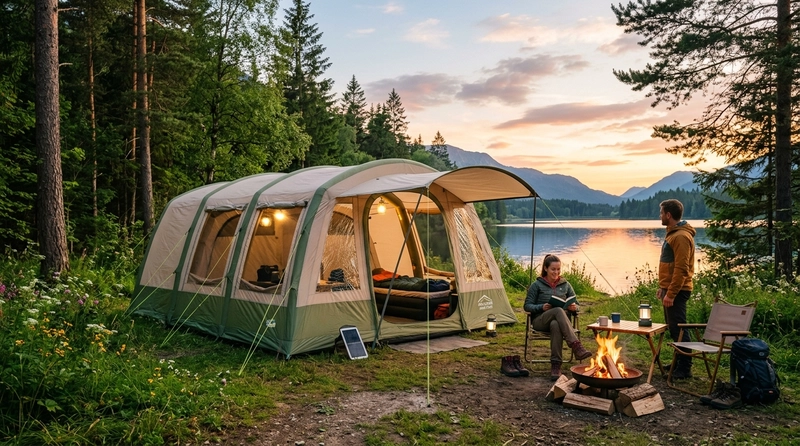
the Car Top Tent for Different Vehicle Types
Picking a car top tent isn’t just about the tent itself but also how it fits with your vehicle. SUVs, pickup trucks, and smaller cars all bring their own challenges and benefits. SUVs often have simpler roof racks that can support a wide range of car top tents, but don’t overlook the weight limits specified by your car manufacturer. Too heavy a tent can impact fuel economy and handling, especially at higher speeds.
Pickup trucks sometimes have more complex roof structures or bed caps, which might limit tent compatibility. Some truck owners opt for tents that mount on the bed rails instead, but that’s a different setup altogether. Smaller cars require lighter and more compact tents; otherwise, the added weight and drag could make driving uncomfortable or unsafe.
It’s essential to measure your roof rack and check its weight capacity before purchasing. Not all car top tents are created equal—weight varies significantly, and that can influence your choice depending on your vehicle type. Remember to consider the installation hardware too; some tents need custom mounting kits for certain vehicles.
Balancing Comfort and Convenience: Size and Setup Trade-offs
There’s a natural tension between how roomy your car top tent is and how much hassle it adds to your setup and teardown. Larger tents offer more sleeping space and often include extra headroom, making them ideal for longer trips with family or groups. However, they are bulkier, heavier, and take more time to unfold and pack away. If you’re frequently on the move or plan to use the tent overnight a handful of times a year, a simpler, more streamlined model might make more sense.
Quick-deploy designs can save you from frustration, especially after a long day of driving. On the flip side, lighter, smaller tents usually compromise on space and insulation. There’s also the question of whether you want a hard shell or a soft shell model. Hard shells are often quicker to set up and provide better protection against rain and wind, but they’re bulkier and heavier. Soft shell tents are generally lighter and pack down smaller but require a bit more manual effort and can be less robust in bad weather.
Space inside the tent affects more than just comfort—it can impact how you manage your gear, move around, or have privacy. Think through how many people will camp inside, whether you’ll be changing clothes in there, and if you’ll need storage pockets or ventilation windows.
| Order | Product Model |
|---|---|
| 8777 | inflatable promotional tent |
Weatherproofing and Durability: What Works Best on the Road
Road travel exposes car top tents to a variety of weather conditions, so you need to understand the materials and design qualities that handle these well. Canvas tents remain popular for their breathability and durability, especially when treated properly, but they can absorb water and take longer to dry after rain. Polyester or nylon tents usually dry faster and weigh less, which benefits vehicle load and fuel mileage, but they might not last as long or withstand harsh sunlight without UV treatment.
Seam sealing and waterproof zippers are small details that make a big difference in keeping your gear dry during unexpected storms. Ventilation flaps help reduce condensation inside tents but can also be vulnerable points for rain if the design is poor.
If your trips involve variable climates or frequent rain, hard shell tents with integrated rain gutters and tighter seals might offer better protection. In dry, warm conditions, you might prioritize breathability over absolute waterproofing.
All these features come with trade-offs. For example, a tent with a heavy-duty rain fly might add weight and bulk but prevents nighttime discomfort from leaks. Durability also means more careful packing and handling, especially since road vibrations and wind turbulence add wear over time. Regular maintenance like checking seals and cleaning fabric pays off in long-term value.
Storage and Transportation: Managing Extra Equipment on the Road
Adding a car top tent means you’ll have to think differently about how you use your vehicle’s space. Even when folded, the tent takes up a significant portion of your roof rack’s weight limit and may add drag, affecting fuel consumption. Many professional planners and distributors recommend storing the tent off the car when not in use to avoid unnecessary strain on the roof and improve gas mileage.
Transporting a tent on the roof also means adjusting your driving habits. Height clearance is a concern, especially around low bridges, parking garages, and tree-lined roads. Hard shell tents typically add more height compared to soft shell models.
Some event planners factor the weight and size of the tent into their logistics plans, ensuring that the vehicle’s cargo area still has capacity for other event supplies. Others invest in roof racks with quick release mounts to get the tent on and off faster, saving time during loading and unloading.
Consider using additional storage solutions inside the tent, like internal pockets or detachable gear bags. This keeps essentials organized and reduces the need to open and close the tent repeatedly, which can wear down zippers and fabric over time.
Practical Tips for Maintenance and Longevity in Professional Use
Car top tents are an investment that needs regular care, especially when used frequently or in demanding environments. Cleaning the tent fabric with mild soap and water after dusty or muddy trips helps prevent dirt buildup that can degrade materials. Avoid harsh chemicals, as they can break down waterproof coatings.
After rainy excursions, make sure the tent dries fully before packing it away. Storing a damp tent can promote mold and damage the fabric’s breathability. When unpacked for storage, keep the tent in a cool, dry place away from sharp objects or heavy stacks that might crush it.
Check all mounting hardware periodically, especially bolts and straps. Road vibrations loosen fittings faster than you’d expect, and a loose mount can create dangerous instability or damage your vehicle’s roof rack.
Most tents come with repair kits—carry these during trips for quick fixes to tears or broken zippers. If you’re supplying tents to clients or renters, providing a short maintenance guide can reduce wear and tear while saving you from costly repairs.
Taking these small steps can extend the life of your car top tents, keeping them ready for reliable performance whether you’re running a busy event season or facilitating outdoor promotions.
—
Using car top tents effectively means balancing real-world constraints with your event goals. Recognizing the vehicle’s limits, deployment needs, weatherproofing priorities, and maintenance plans will save you headaches—and help maintain your professional reputation.