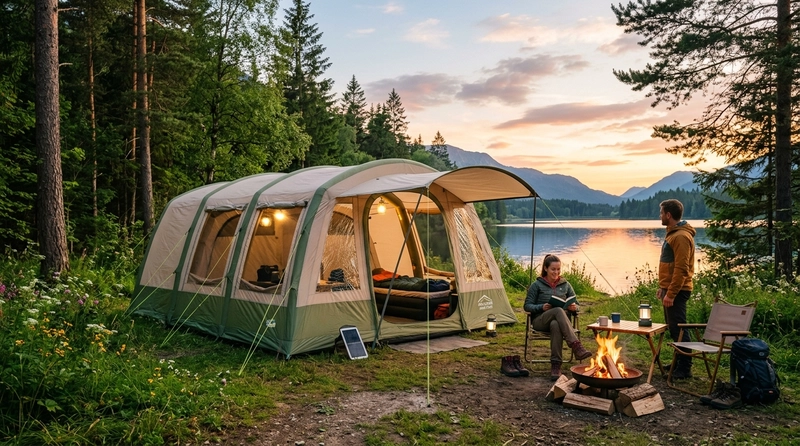
Right Size for an Air Tent with Awning
Sizing an air tent with awning is less straightforward than picking a regular tent. The inflatable frame adds both bulk and stability, but you need to balance that with the intended use and available setup space. For event planners, it’s crucial to consider how many people will use the tent, but also what additional space the awning demands. The awning is great for creating a shaded transition area or extra display space, but it pushes the footprint beyond the main tent’s dimensions.
Distributors often remind clients that oversizing can be costly in transport and setup time. Conversely, undersizing means sacrificing comfort and utility. A 4×4 air tent with awning might suffice for a small info booth, but if clients expect foot traffic or need to show off products under cover, 6×6 or larger usually beats guessing. Always look at the total square footage including the awning, and check venue restrictions on footprint.
In practical terms, an air tent with awning that’s too large might require a team for inflation and anchoring, which not all buyers anticipate. Knowing the size also impacts transportation: many inflatable tents pack down compactly, but the awning can add complexity in packing and setup.
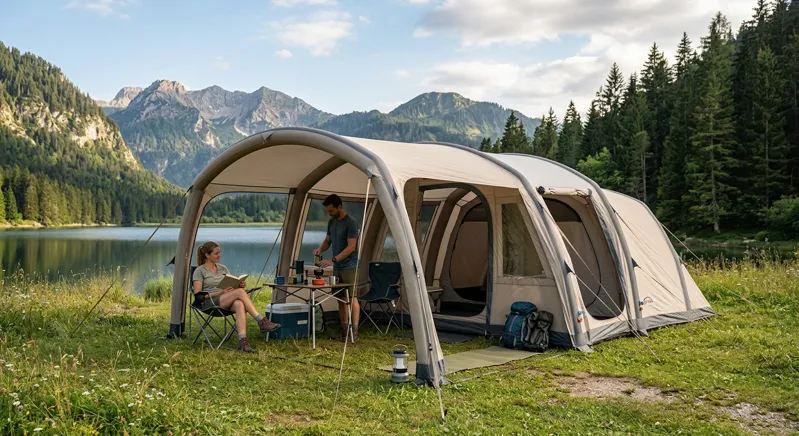
Managing Setup and Inflation Time on Site
Air tents distinguish themselves by speed and ease of setup compared to traditional pole tents. However, the awning adds another factor to the equation. When you’re working on a tight schedule for trade shows or outdoor events, every minute counts.
Typically, an air tent with awning inflates within 5 to 10 minutes using a compatible blower system. That’s much faster than fishing poles through sleeves or laboriously connecting spikes. The awning inflatable tubes, if separate from the main frame or connected via additional valves, might need a bit more time to inflate properly.
Keep in mind that wind conditions can influence setup time. The awning exposes a bit more surface area to gusts, which complicates anchoring and tensioning. Some planners opt for extra weighted feet or sandbags, especially when the awning serves as a reception or waiting area, adding to setup concerns.
The practical takeaway? Factor in not just inflation time for the main tent but the partitioned inflation for the awning. When buying or renting, clients appreciate clear expectations on times and the number of inflators needed to make the whole structure stable.
Material Choices and Durability Considerations
Not all air tents with awning are created equal, especially when it comes to materials. The inflatable beams commonly use TPU or PVC-coated fabrics, which differ in flexibility, weight, and durability. The awning, which often gets stronger exposure to sun and rain, needs materials that won’t deteriorate quickly or sag.
Event planners working outdoor seasonal events must weigh durability heavily. A cheaper fabric saves initial costs but could mean repairs mid-season or faster replacement cycles. Some suppliers offer double-layer coatings for awning sections to withstand UV rays and abrasion from wind or particulate matter.
Think about waterproof ratings, too. The main tent might boast a high hydrostatic head rating, but if the awning’s coating is lighter, unexpected rain could leak in or cause pooling. Pooling water on an extended awning section increases stress on seams and can damage inflatable tubes.
Durability also ties directly to maintenance demands. Inflatable seams, valves, and fabric should be inspected regularly, especially around the awning area where tension fluctuations apply. Event coordinators often recommend having repair kits on hand or working with vendors who offer responsive support for air tents with awning.
| Index | Product Model |
|---|---|
| 1086 | inflatable promotional tent |
Practical Limitations in Venue and Weather Conditions
Even the best-designed air tent with awning has situational limits. Indoor venues might restrict ceiling heights or footprint size, making it impossible to fully extend an awning. Outdoor spots present other challenges, primarily wind and uneven ground.
Uneven surfaces pose particular problems for inflatables because the air pressure inside the frame depends on tight seals and stable positioning. Slight dips or slopes can lead to uneven inflation, causing strain and risk of sag or collapse. Planning teams often carry leveling mats or use multiple anchor points, but some hard sites leave very little room for adjustments.
Wind is the biggest foe for any air tent with awning. The awning acts almost like a sail, catching more wind than a tent without. Strong gusts can destabilize the whole structure unless countersigned by carefully placed heavy weights or ground stakes. That adds setup time and requires more equipment in transport, which distributors must communicate clearly to planners used to lighter setups.
During rain, awnings can add value by keeping entrances dry, but every additional surface area invites more moisture accumulation risks. Drainage channels or slight tilt angles should be accounted for in design and setup choices.
Storage and Transportation Challenges with an Air Tent with Awning
From a supplier or distributor perspective, clients sometimes overlook how the awning complicates storage and transport logistics. Inflatable tents are known for compact packing, but the awning adds sheets of durable fabric and extra tubing that cannot always be rolled or folded tightly without risking creases.
Transporting in smaller vehicles might require multiple bags or specialized cases to keep the air tent with awning safe from abrasion or punctures. Some awnings incorporate transparent windows or mesh sections that demand extra care, especially if chains or metal parts travel alongside.
Storing the tent requires a clean, dry environment to avoid mildew or fabric degradation. Corralling awning tubes and valves independently for preventive maintenance helps prevent surprises during setup. The trade-off is that a setup with an awning often means a multi-part storage system when other tents pack away in one.
Distributors often advise clients to invest in protective covers or padded cases if the air tent with awning is frequently transported or stored for long periods. That care preserves the investment without demanding full replacement in just a season of use.
—
Understanding these real-world aspects can help professional buyers and event planners make better decisions on using an air tent with awning effectively. Balancing size, setup speed, durability, environment, and transport is key to seamless events that run on time and impress participants.