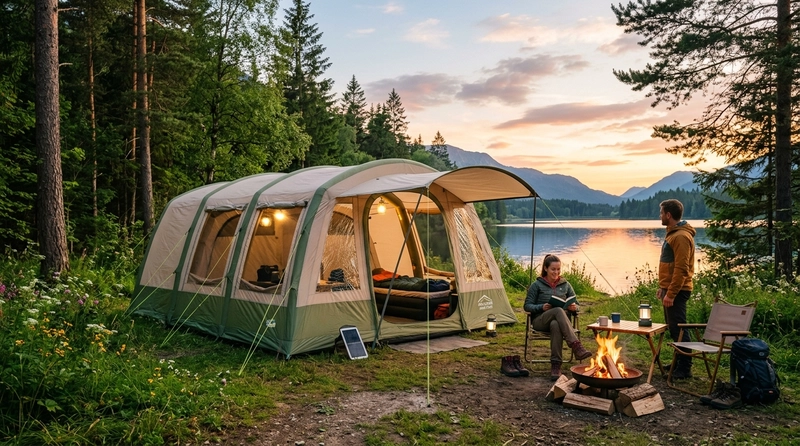
Your Open Air Tent Size
Selecting the appropriate size for an open air tent can be surprisingly tricky. Many buyers think bigger is always better, but the actual event footprint, expected crowd size, and the type of activities planned under the tent should drive the decision. Oversizing may lead to wasted space and higher rental or purchase costs, while undersizing can cause crowding and discomfort, affecting the overall experience.
Consider the flow of people, seating arrangements, and any additional equipment that needs to fit, such as catering stations or audiovisual gear. Some event planners underestimate the need for aisles and circulation, which makes setup feel cramped and limits accessibility. It’s often worth measuring the event site carefully and consulting with your equipment supplier about suitable sizes. Keep in mind that open air tents typically have flexible sidewalls or none at all, which influences how much actual covered space you have to work with.
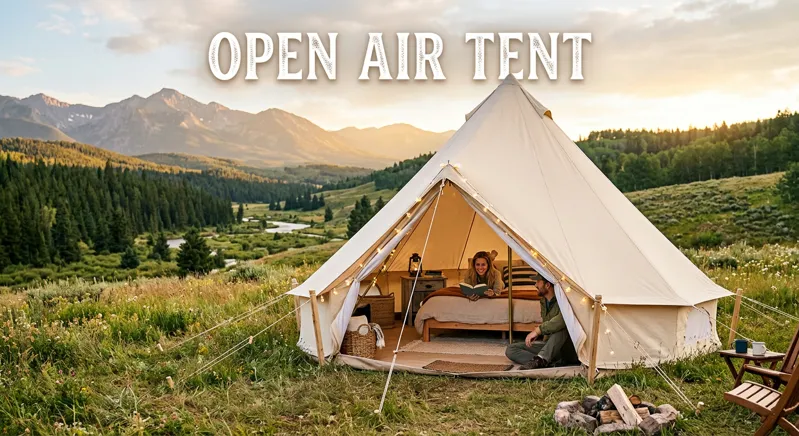
Balancing Weather Protection and Ventilation
One of the main reasons clients choose open air tents is the balance they strike between shelter and a fresh-air environment. These tents offer shade and shelter from light rain while still allowing breeze and natural airflow, which is essential for comfort at outdoor corporate events, festivals, and markets.
However, the minimal enclosure can be a double-edged sword. On windy or rainy days, an open air tent may offer limited protection if sidewalls aren’t used or if the tent isn’t anchored properly. This raises questions about where the balance lies: how much openness can you afford without exposing guests to uncomfortable elements? Experienced buyers often bring along adding removable sidewalls or windbreaks as a flexible solution for variable weather conditions.
It’s also important to discuss the local climate with your supplier. In humid or hot environments, open air tents can help reduce heat buildup compared to fully enclosed tents, but there may still be a need for additional cooling options like fans or misting systems.
Weighing Setup Complexity Against Event Duration
Open air tents generally have a reputation for being relatively quick to set up compared to full-enclosure models. Their lighter frames and fewer components can translate into fewer labor hours and quicker deployment, which is a major consideration for tight schedules and frequent events.
That said, the simplicity of open air tents can sometimes mean more frequent adjustments during the event. Without sidewalls to stabilize the structure, effects of wind or shifting ground can require onsite tweaking, especially for longer events that span multiple days. Planners need to budget for these ongoing checks and potential labor.
If an event lasts just a few hours, the setup and teardown convenience typically outweighs these concerns. For multi-day activations, it makes sense to discuss the trade-offs between setup speed and long-term stability with your supplier, possibly considering hybrid solutions or reinforced open air tent models.
Considering Storage and Transport Logistics
Transporting and storing tents is an often-overlooked factor in the procurement process. Open air tents are popular partly due to their relatively compact transport footprints, but each model’s packing dimensions and materials can vary widely.
Heavy-duty steel frames may offer durability but add weight, which impacts the choice of vehicle and ease of handling. Aluminum or composite frames might lighten this load but could reduce lifespan or require more careful maintenance. Additionally, the tent fabric and accessories—poles, stakes, sidewalls—need secure packing solutions to avoid damage during transport.
Distributors and event planners working across multiple locations find it critical to match the open air tent model to their transport capabilities. Rainproof or UV-resistant fabrics add protection during transit but might come at an additional cost or complexity. Mapping out routes, storage capacities, and staffing for loading/unloading will go a long way toward preventing last-minute surprises.
| Series | Product Model |
|---|---|
| 273 | Open Air Tent |
Evaluating Customization Options for Branding and Function
From a practical standpoint, open air tents are often the ideal canvas for event branding and customization. Applying logos, colors, and graphics directly onto tent fabric or sidewalls can elevate a client’s presence significantly without sacrificing the open environment guests appreciate.
Still, customizing tents introduces limitations. The size and placement of graphics must fit within the manufactured panels, and excessive printing or heavy vinyl applications may affect fabric flexibility or weather resistance. Some tent models limit where customization can be applied without compromising the tent’s integrity.
Buyers need clarity on lead times for customized tents because production can add several weeks, especially for larger-scale branding. Discussing durability and cleaning requirements with your vendor upfront will help avoid damage to prints during storage or repeated events.
Planning for Permitting and Site Restrictions
Many planners underestimate how local regulations and site constraints impact the choice of open air tents. Depending on the city or venue, permits may require tents to meet fire retardancy standards or limit the size and placement of structures, affecting the type of tent you can deploy.
Open air tents can be advantageous here because their simpler structures often require less formal approval than large enclosed tents. However, some outdoor spaces have strict guidelines about anchoring, proximity to utilities, or access routes, which can limit installation options.
Understanding these regulatory frameworks early avoids costly delays. Experienced suppliers can often help navigate these details or provide documentation to expedite permitting. It’s also important to verify whether a tent’s anchoring method (stakes, water barrels, weights) complies with site rules, as improper supports might result in last-minute adjustments or even event disruption.