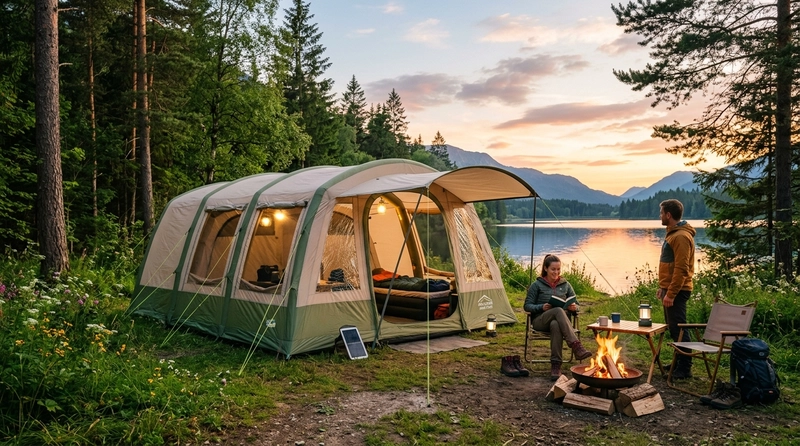
Choosing the Right Size for Your Air Tent Outdoor Setup
When planning an event outdoors, selecting the right size air tent outdoor is one of the most critical decisions you’ll make. Sizing isn’t just about fitting everyone under the canopy; it impacts logistics, safety, and even the overall atmosphere. Air tents come in various dimensions, and while larger tents accommodate more guests, they also require more space and time to set up.
Keep in mind the ground surface where the tent will stand. Grass or dirt surfaces might need additional anchoring solutions, especially for bigger air tents, and hard surfaces often require weighted bases since stakes aren’t an option. Oversizing a tent might seem like a safe bet, but if it’s too large for the venue, you’ll end up paying for unused space and face challenges with crowd flow. On the flip side, squeezing too many people into a smaller tent can lead to discomfort and safety hazards.
Also, consider the event’s layout. If you plan on having seating, a stage, or equipment inside the air tent, map out the space requirements for these elements beforehand. Having a clear idea of how many people and what equipment will be under the canopy makes it easier to select a tent that balances comfort and practicality.

Setting Up an Air Tent Outdoor: What You Need to Know
Air tents are celebrated for their ease of setup compared to traditional pole or frame tents, but there’s still a bit of technique involved, especially with larger structures. From my experience, having a clear setup plan and the right tools drastically reduces stress on event day.
First, ensure the pump is compatible with the tent’s inflation valves. Using the wrong pump can slow you down or even damage the tent. It’s best to have a backup battery or power source, especially for events off-grid. Inflating the tent evenly is crucial to maintain its shape and stability. Uneven inflation leads to weak spots prone to sagging or damage.
Weather conditions play a big role here. Variable winds can make the setup tricky; temporary inflation pressure changes might cause the tent to wobble. In these cases, having a spotter to monitor the structure during inflation is invaluable. Also, once inflated, securing the tent with appropriate stakes or weights is non-negotiable. The lighter weight of air tents compared to traditional tents means wind can lift them if not properly anchored.
Don’t overlook the importance of deflation and packing. Quickly folding and storing the tent right after use extends its lifespan and ensures smoother setups in the future. Some air tents can be deflated and folded in less than ten minutes if the team is practiced.
| Index | Product Model |
|---|---|
| 9670 | inflatable tent |
Material Durability and Maintenance in Outdoor Conditions
Air tent outdoor structures face more wear and tear than one might expect. The materials are often a blend of PVC, polyester, or polyurethane coatings, designed to balance flexibility and strength. However, environmental conditions like UV exposure, rain, and abrasion from rough terrain all impact how long these tents stay in prime condition.
For example, constant exposure to direct sunlight can cause colors to fade and sometimes weaken coatings. While many air tents come with UV-resistant fabrics, heavy sun over months will still degrade material integrity sooner than when stored properly. Rain and moisture add another testing factor. If water pools on parts of the tent due to improper inflation or placement, it can lead to mildew or fabric stretching.
Cleaning routines also matter. Avoid harsh chemicals; mild soap and water usually suffice. After every use, make sure to dry the tent thoroughly before packing away. This prevents mold growth and keeps the inflatable beams from becoming brittle.
Another factor is repairability. Air tents rely on airtight chambers or beams. If a leak develops, patch kits come in handy, but they’re only a temporary fix. Regular inspections should catch minor damage early, so you can address it before it worsens. Carrying out preventive maintenance after each event keeps your investment reliable.
Integrating Branding and Customization Without Sacrificing Function
For distributors and event planners, customizing an air tent outdoor with logos, colors, or promotional graphics is a frequent requirement. Customization enhances brand visibility and creates a memorable environment, but it’s important to weigh how customization affects the tent’s performance.
Some printing techniques add extra layers to the fabric or involve adhesives that can reduce the flexibility of the air beams. If the design obscures critical ventilation or access points, it can make the tent less comfortable or harder to use. When selecting suppliers or printers, always ask how the applied graphics interact with the tent’s airflow and material endurance.
It’s best to limit customization to areas that don’t affect structural integrity, like the sidewalls or valances. Full canopy prints look impressive but might require stronger materials to support the added stress. Depending on the event’s duration and frequency, heavily customized tents may also need more frequent maintenance to ensure the printed surfaces don’t peel or crack.
From experience, offering clients removable or interchangeable panels is a practical compromise. This approach gives flexibility for branding without the permanent changes that could complicate repairs or future use.
Transport and Storage Considerations for Air Tent Outdoor Products
One advantage of air tent outdoor setups compared to traditional frame tents is usually the lighter weight and conciseness when packed. Still, transport and storage are practical concerns distributors and planners can’t ignore.
Tents pack down into bags or cases, but size and weight vary significantly with tent size and fabric thickness. Ideally, you want a tent that fits the transport options you have—whether that means a cargo van, small truck, or even a trailer. More compact air tents reduce loading time and require less manpower to carry.
Storage conditions affect longevity too. These tents do best in cool, dry conditions away from direct sunlight or pests. Folding the tent unevenly or storing it while damp can cause creases or mold, leading to irreversible damage. Some clients opt for temperature-controlled storage warehouses to safeguard their inventory.
Transporting multiple tents for back-to-back events means clear labeling and dedicated storage crates or bags are a must. Custom packaging solutions help avoid wear on the tents and speed up loading and unloading.
Managing Safety and Regulations for Air Tent Outdoor Events
Safety is often top of mind, and for good reason. Air tents can feel less sturdy than pole tents because they rely on inflated beams rather than rigid frames. This means proper inflation pressure, secure anchoring, and monitoring during the event are essential.
NFPA and local regulations may dictate certain criteria, such as flame-retardant fabrics or specific fire exits for air tents used in public events. Always verify these requirements ahead of time to avoid compliance headaches.
Monitoring weather plays into safety as well. Sudden wind gusts or storms can compromise the integrity of air tent outdoor setups. Have a contingency plan that involves quick deflation or evacuation routes if needed.
Crowd control also matters. Inflated structures expand space usage and can create bottlenecks if not planned well. Safety signage, well-lit exit points, and trained staff familiar with the air tent’s design contribute to smoother event management.
Experience shows that working closely with local authorities, insurance providers, and safety consultants before the event sets reasonable expectations and ensures everyone stays protected.
Navigating the nuances of air tent outdoor equipment takes hands-on knowledge and practical foresight. Balancing size, setup, maintenance, branding, transport, and safety helps you deliver the best experience without surprises. Each decision influences not just the look and feel of the event but the operational flow and lifespan of your tents.