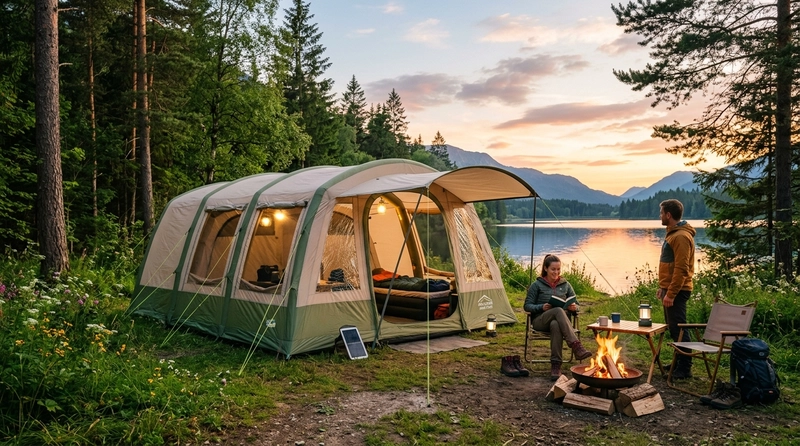
Assessing Waterproof Performance of Outdoor Inflatable Tents
When planning an event or organizing a campsite setup, one of the biggest concerns is how well your shelter will handle wet weather. Inflatable camping tents, known for their quick setup and innovative design, are often assumed to be watertight. But the reality is a bit more nuanced. The materials used in outdoor inflatable tents, often thick PVC or TPU-coated fabrics, definitely offer a strong barrier against rain; however, waterproofness depends heavily on seam construction and the quality of zippers and valves.
Seams tend to be the weakest point if they aren’t sealed properly. Some inflatable tents come with heat-welded or taped seams, which improve water resistance significantly. On the other hand, stitched seams without additional waterproofing measures can allow water penetration during heavy rain. For events that run through unpredictable weather, this could become a liability if the tent fabric becomes saturated or the interior gets damp.
Zippers can also be a subtle point of failure. Most standard zippers don’t provide perfect waterproof sealing, so a downpour combined with wind can drive moisture through even the smallest gaps. Some models incorporate rain flaps or covers over zippers to help mitigate this issue, but these features can vary widely between manufacturers and models.
Condensation is another factor to consider. Inflatable tents often seal airtight once inflated, which is excellent for wind resistance and structural integrity but can trap humidity inside. Proper ventilation panels are essential. If ventilation is lacking, moisture can build up inside the tent, which some users might mistake for poor waterproofness.

Evaluating Wind Resistance for Outdoor Inflatable Tents
Wind resistance is where outdoor inflatable tents usually shine compared to traditional framework tents. The inflatable beams distribute stress over a larger surface and usually provide more flexible resistance to pressure and gusts. Rather than rigid poles that can snap, inflatable tent beams flex and bend, which can help the structure absorb strong winds without failure.
That said, no inflatable tent is completely impervious to high winds. The anchoring system plays a crucial role. Even the sturdiest inflatable frame won’t hold up if stakes aren’t driven deep enough or if guy lines aren’t tensioned properly. Events held on hard surfaces like concrete or decks may need extra weight bags or sandbags to secure the tent effectively.
The inflated air tubes themselves are a potential point of concern if punctured or overinflated. While most are designed to withstand standard impacts, sharp objects or extreme wind-driven debris can cause ruptures. Repair kits and quick patch options are a must-have item for anyone relying on outdoor inflatable tents, especially during multi-day events or in remote locations.
Wind resistance also depends on the shape and size of the tent. Larger inflatable tents function differently from smaller personal shelters—the bigger the tent, the larger surface area exposed to wind forces. This means planning the orientation and placement of the tent relative to the prevailing wind becomes a practical necessity.
| Series | Product Model |
|---|---|
| 7259 | Inflatable Event Tents |
Practical Trade-offs in Portability and Durability
Inflatable tents are undeniably more portable than heavy aluminum or fiberglass pole tents, which makes them attractive for event planners who need to move quickly or cover large areas repeatedly. Deflating and packing an inflatable frame is convenient, but it does introduce limits on durability compared to rigid poles.
Repeated inflation and deflation cycles stress the materials, and over time, seams or valves may degrade. This means heavier use or long-term outdoor storage requires more frequent inspections and maintenance. Users often find themselves balancing the tent’s convenience against the effort to keep it operational.
Because of the nature of inflatable materials, these tents can be more vulnerable to abrasion and punctures than conventional tents with tough fiberglass poles. Even though the fabrics are generally UV-resistant and water-repellent, rough handling or sharp objects can cause damage that’s more challenging to fix in inflatable structures.
For buyers in the distribution or rental business, these trade-offs affect inventory and replacement strategies. Inflatable outdoor tents might lower shipping costs but demand a robust plan for maintenance and quick repair options to avoid downtime during peak use seasons.
Security and Safety Considerations for Event Environments
Setting up a stable and safe outdoor inflatable tent in crowded event environments requires more than just selecting a durable model. Wind, water, and structural integrity speak to physical safety, but thoughtful anchoring and emergency procedures can’t be overlooked.
Tents inflated with electric pumps require access to power sources and backup plans in case of power failure. Several users report that inflating tents manually or relying on battery-powered pumps is essential in locations where electricity supply is inconsistent.
Considering safety, the low profile and flexible frame make inflatable tents less prone to catastrophic collapses compared to pole tents, which can snap under stress. In unexpected high winds or storms, inflatable tubes often fold slowly rather than breaking violently, giving occupants time to exit safely.
That said, it’s wise to evaluate the maximum pressure ratings and inflation levels recommended by manufacturers. Over or underinflation risks compromising wind resistance or waterproofness. Training staff on proper inflation and setup routines pays dividends when it comes to the longevity and safety of outdoor inflatable tents.
Matching Outdoor Inflatable Tents to Specific Event Environments
Event planners often need to reconcile tent features with specific locations and conditions. For example, a festival in a forest clearing versus a corporate outdoor launch on a windy rooftop demands different solutions.
Inflatable tents excel in environments where speed and ease of setup are priorities. Their relatively lower weight and fewer loose parts mean event teams can focus on site layout without worrying extensively about complicated pole assembly. However, planners should factor in environmental obstacles like tree branches, rocky surfaces, or sharp debris that may compromise the inflatable structure.
In contrast, for long-term outdoor installations or harsh weather-prone locations, a hybrid approach may work best. Some prefer to use inflatable tents for the initial event setup and switch to more permanent structures if the location requires repeated use or stronger weatherproof guarantees.
Distributors offering outdoor inflatable tent solutions need to guide buyers through these choices carefully, highlighting realistic use cases rather than promise universal all-weather protection.
In summary, outdoor inflatable tents offer compelling advantages in terms of ease of use, wind flexibility, and portability, but their waterproof and wind-resistant qualities hinge on material quality, design, and maintenance. Understanding these factors upfront can help professional buyers and event planners select the right tent for the right occasion, minimizing unexpected issues in challenging outdoor conditions.