Right 90s Inflatable Furniture for Your Event Needs
When sourcing 90s inflatable furniture for events, the key is understanding the setting and target audience. These pieces evoke a strong retro vibe, often used for themed parties, pop-up lounges, or corporate activations that want a playful twist. But what works well in one context might fall flat in another.
Consider the durability of the materials. Vintage-style inflatable chairs, ottomans, and sofas often rely on PVC or vinyl, which, though lightweight, can be prone to punctures or leaks if not handled carefully. For event planners managing high foot traffic or outdoor environments, it’s important to prioritize models with reinforced seams and thicker walls. Bulkier inflatables might take longer to set up, but they tend to withstand wear better, making them more cost-effective across multiple uses.
Size and comfort also matter a lot. Inflatable furniture from the 90s was often more about form than function, which was part of its charm and challenge. Modern recreations sometimes add extra layering or ergonomic shaping, but the message remains: these are casual seating options, not replacements for traditional furniture. When placing them in event layouts, it’s wise to pair them with sturdier fixtures or use them in areas where guests are likely to linger briefly rather than sit for long periods.
Managing Setup and Breakdown for 90s Inflatable Furniture
Ease of setup is one of the most practical concerns when incorporating 90s inflatable furniture. Time-sensitive events require equipment that inflates and deflates quickly without a fuss. Electric pumps are a must-have in most professional settings—they cut down on both labor and downtime, which directly impacts event flow.
However, some venues restrict equipment use due to noise or power consumption concerns. In those cases, hand or foot pumps might be necessary, though they can be exhausting for staff, especially when multiple items need inflation. Planning for extra manpower during load-in and teardown phases is essential to avoid last-minute delays.
Storage post-event affects turnaround times too. Deflated, these pieces save space, but improper folding and packing can damage the seams, leading to air leaks. Investing in quality storage bags and instructing crews on proper handling can prevent costly repairs. It’s also useful to carry basic repair kits on-site during events—patches and adhesive make quick fixes manageable, preventing a minor issue from becoming a dealbreaker mid-event.
Aesthetic Considerations: Vintage Charm vs Modern Standards
Some clients may seek 90s inflatable furniture strictly for nostalgic appeal, but it’s important to discuss how this fits with the overall event design. These inflatables typically come in bold, bright colors or transparent varieties, giving off a distinct retro aura. While that can inject personality, it might clash with certain branding or venue aesthetics.
Discuss the event environment with your client upfront. For example, an upscale corporate event might not benefit from loud neon inflatables, but a casual trade show booth or youth-focused gathering could thrive on that energy. Alternatively, some designs offer muted palettes or metallic finishes that hold onto 90s styling without commanding every eyeball.
Keep in mind wear patterns too. Glossy vinyl surfaces can show scuffs, dirt, and condensation marks quickly. For multi-day events, this can detract from the overall impression. Bringing cleaning supplies or rotating pieces out periodically helps maintain a fresh appearance. Matching these efforts with complementary decorative elements—like throw pillows or rugs—can balance comfort and retro flair without overwhelming the space.
| Index | Product Model |
|---|---|
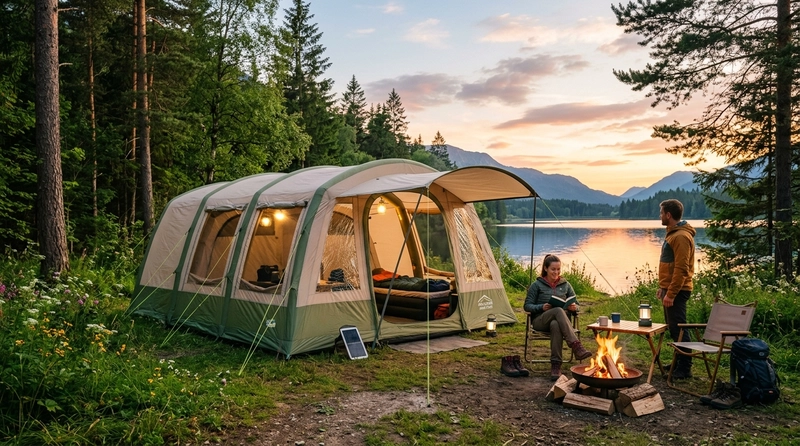
| 1490 | air tent outdoor |
Transporting and Handling: Protecting Your Investment in 90s Inflatable Furniture
Inflatables may seem light and portable, but they require mindful handling throughout the supply chain. Folding or rolling them too tightly can stress seams. Rough transport conditions increase risk of accidental punctures.
Insist on protective packaging during shipping—not just a plastic bag, but padded cases or shipping boxes if possible. Labeling items clearly and training delivery teams on fragility are worth the effort, particularly when shipping between locations frequently.
On-site, designate clean, dry staging areas away from sharp objects or abrasive surfaces. Flooring choices impact furniture lifespan; hard concrete or gravel can wear surfaces quickly if inflatables are dragged or repositioned carelessly. Using temporary floor coverings or mats beneath seating clusters can prolong usability.
Clients often overlook this aspect, assuming inflatable furniture can endure rough treatment. Educating them on proper handling not only enhances customer satisfaction but also preserves your inventory for future hires or sales.
Understanding Weight Limits and Safety Precautions with 90s Inflatable Furniture
One overlooked practical issue is weight capacity. Unlike traditional furniture, inflatable pieces have strict limits on the load they can safely bear before risking structural failure. Communicating these limits clearly with clients is crucial to avoid injuries or awkward situations.
Most 90s inflatable furniture is designed for one or two average-sized people at a time. For events featuring families or diverse groups, signage or staff reminders about usage may be necessary. This is especially true for children who might be tempted to jump or overload the item, accelerating wear or causing accidents.
Safety regulations at some venues might also affect the use of inflatables. Fire retardancy, electrical compliance for pumps, and emergency access pathways should be reviewed well in advance. When working with event promoters unfamiliar with inflatable gear, it’s helpful to provide a clear risk assessment and suggested usage guidelines.
By addressing these concerns head-on, you can position yourself as a knowledgeable supplier who understands both the fun and the practical challenges behind 90s inflatable furniture.
Mixing 90s Inflatable Furniture with Other Event Elements
Sometimes the best use of 90s inflatable furniture is as an accent rather than the centerpiece. Combining these items with modular, more traditional seating, or modern lounges, provides visual contrast and multiple comfort options.
Using few statement pieces in a themed zone can add nostalgic punch without overwhelming guests or complicating logistics. For example, a couple of inflatable chairs paired with coffee tables and plants can create a welcoming break spot that nods to the 90s without forcing everyone to use the inflatables.
Keep in mind the general ambiance: inflatables tend to emit a casual, fun vibe that might not mesh with formal dining or business networking areas. Consider traffic flow as well—since inflatables are light, they can move unexpectedly if leaned on or bumped into, so positioning near stable furniture or barriers helps.
When distributors curate inventories, offering mixed packages that include 90s inflatable furniture alongside other contemporary event essentials can expand appeal to different client segments, balancing nostalgia with practicality.
The key is thoughtful integration, ensuring these colorful throwbacks enhance rather than complicate event designs or operations.